 AI EBISU
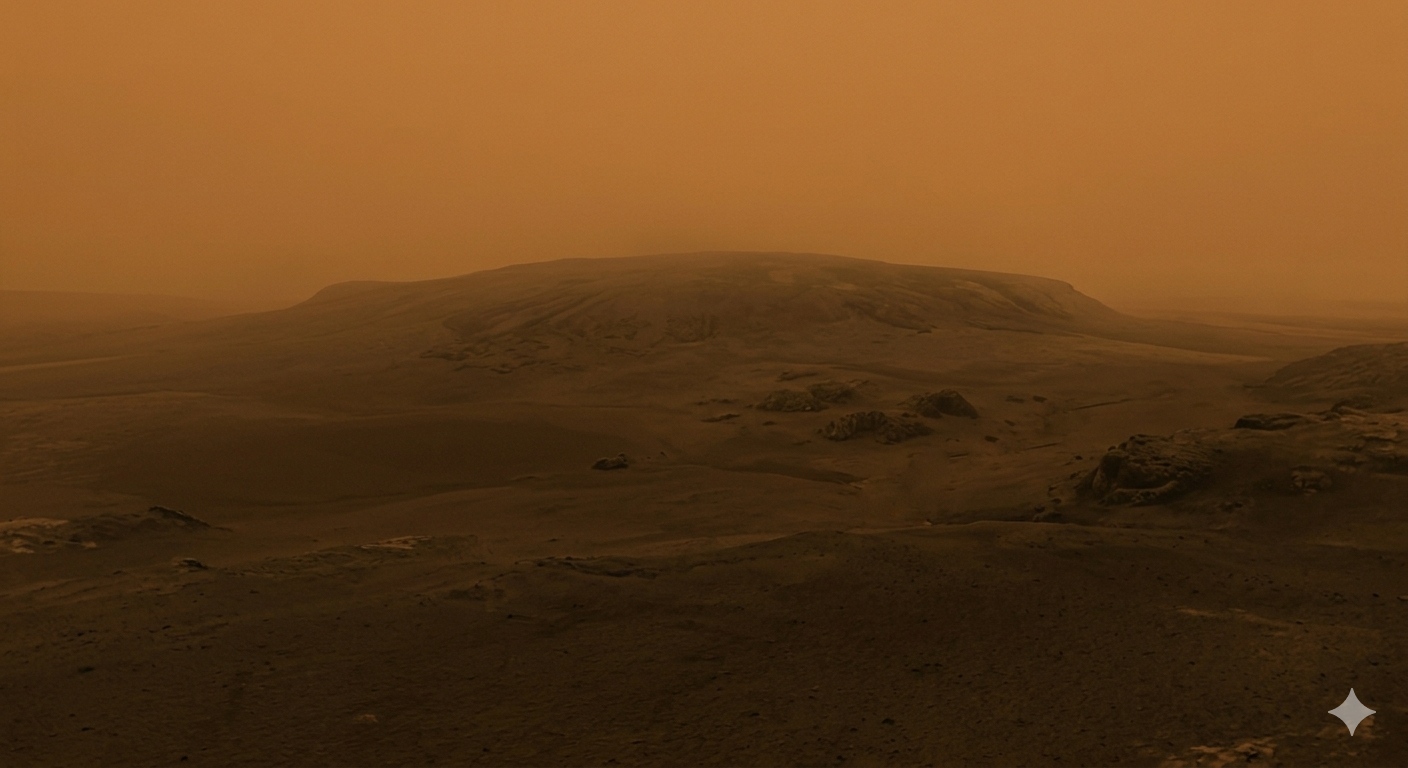
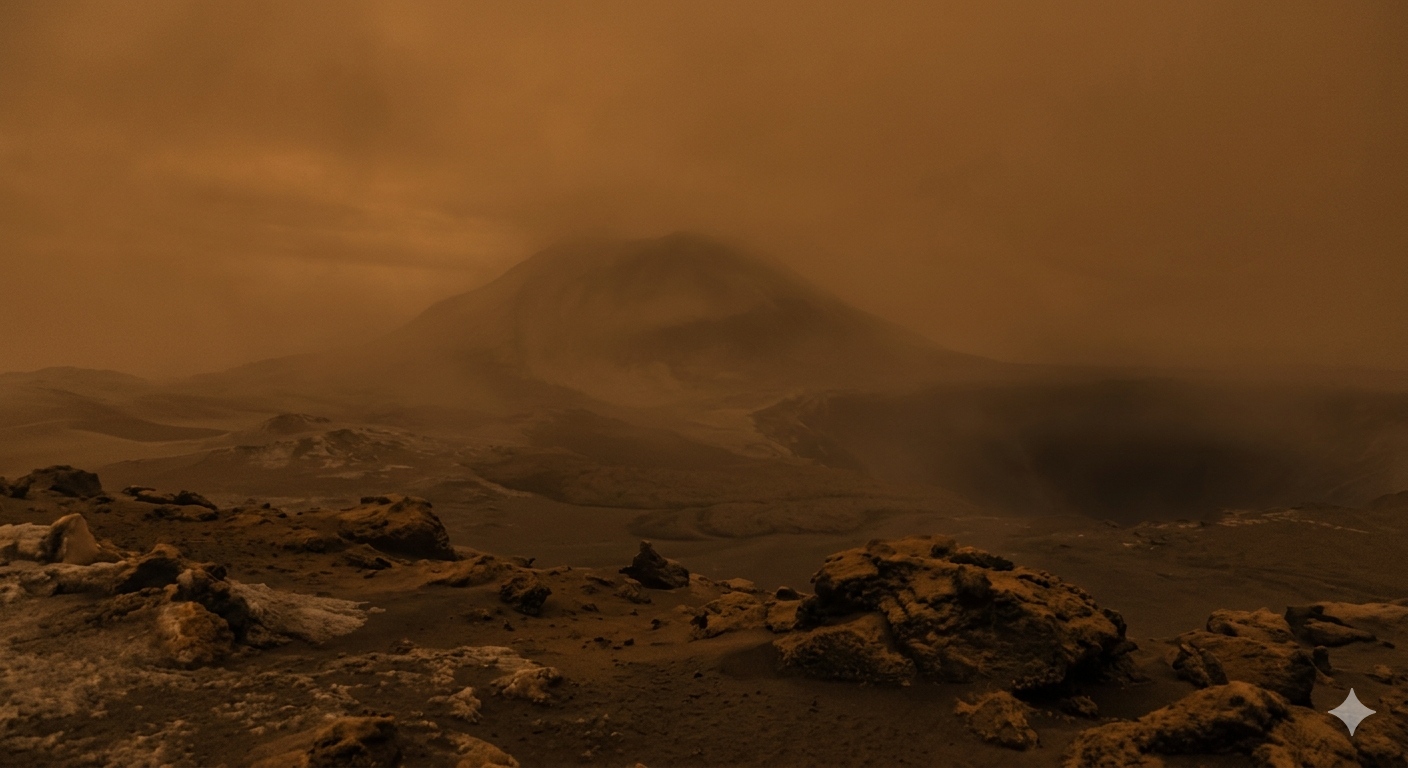
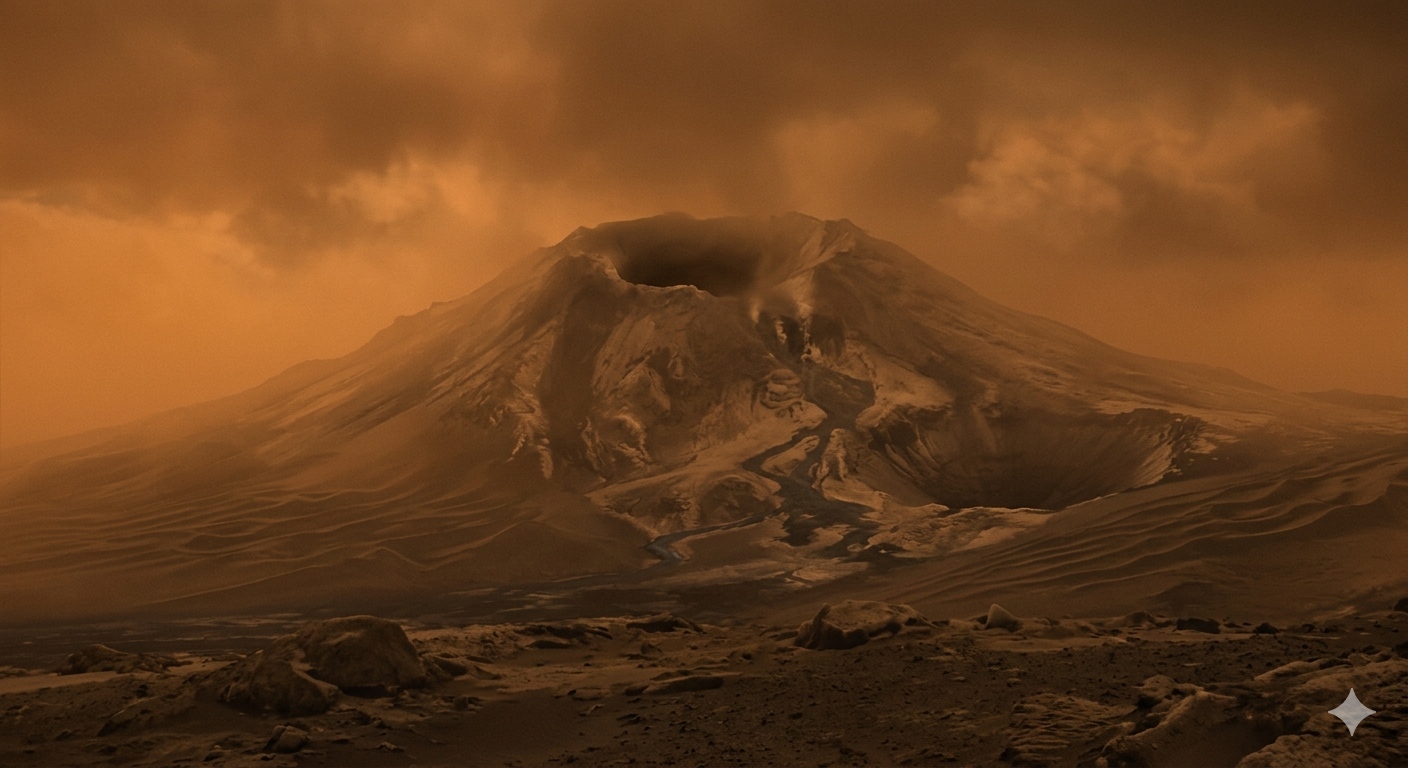
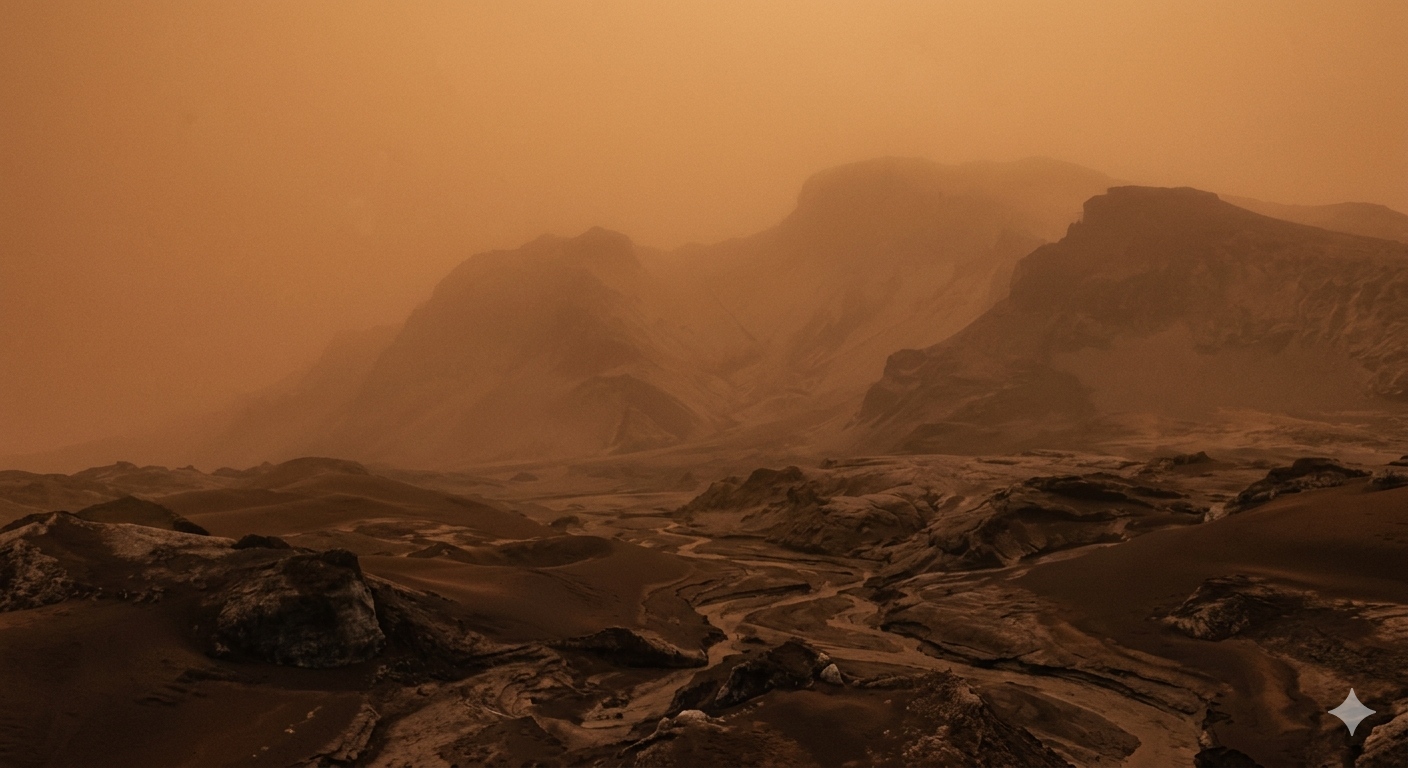
AI can understand physical phenomena and generate realistic photos. In this article, I have generated conceptual photos of Saturn’s moon “Titan” using Nano Banana 2 – Gemini. Please enjoy the “AI-generated Imaginative Photos” of Titan along with the commentary on Saturn’s moon Titan. My profile’s at the bottom of the page.
Each image can be enlarged by clicking on it. Please click to see the enlarged images.
Notes
The images on this page are generated by AI (Gemini) and are not actual photographs.
The explanations on this page are summarized and briefly explained based on the actual status of Titan exploration and reference materials.
About Titan
Titan is a moon of Saturn. While it is a large moon with a diameter and mass greater than those of Earth’s Moon, its surface gravity is lower than the Moon’s. Among all satellites in the solar system, it is the only moon with a dense atmosphere and the only moon where liquid exists on its surface. Within the solar system, Earth and Titan are the only two bodies where liquid exists on the surface.
With landscapes such as mountains, lakes, and sand dunes, it possesses Earth-like terrain, yet it remains a moon filled with many mysteries. Much regarding the conditions on its surface is still shrouded in mystery, and its actual appearance remains unclear.
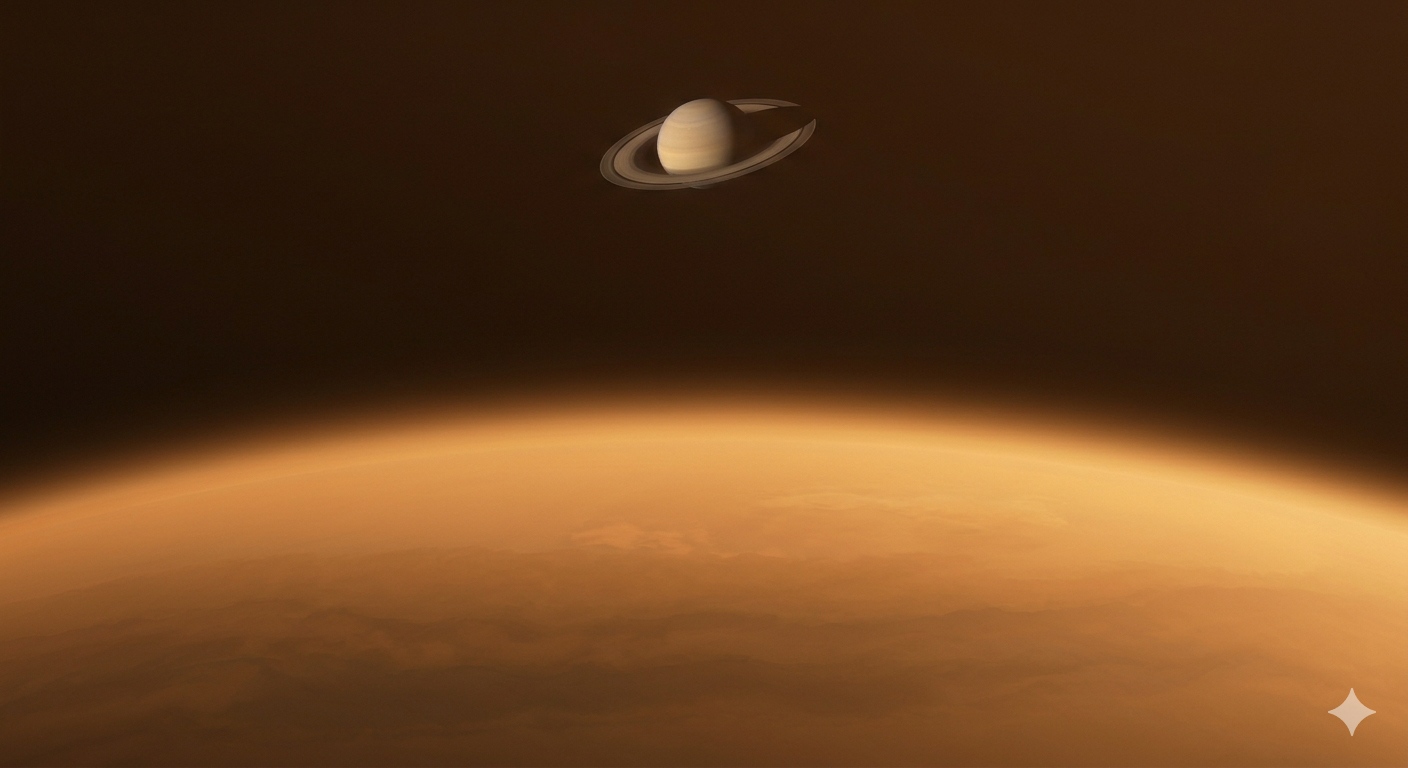
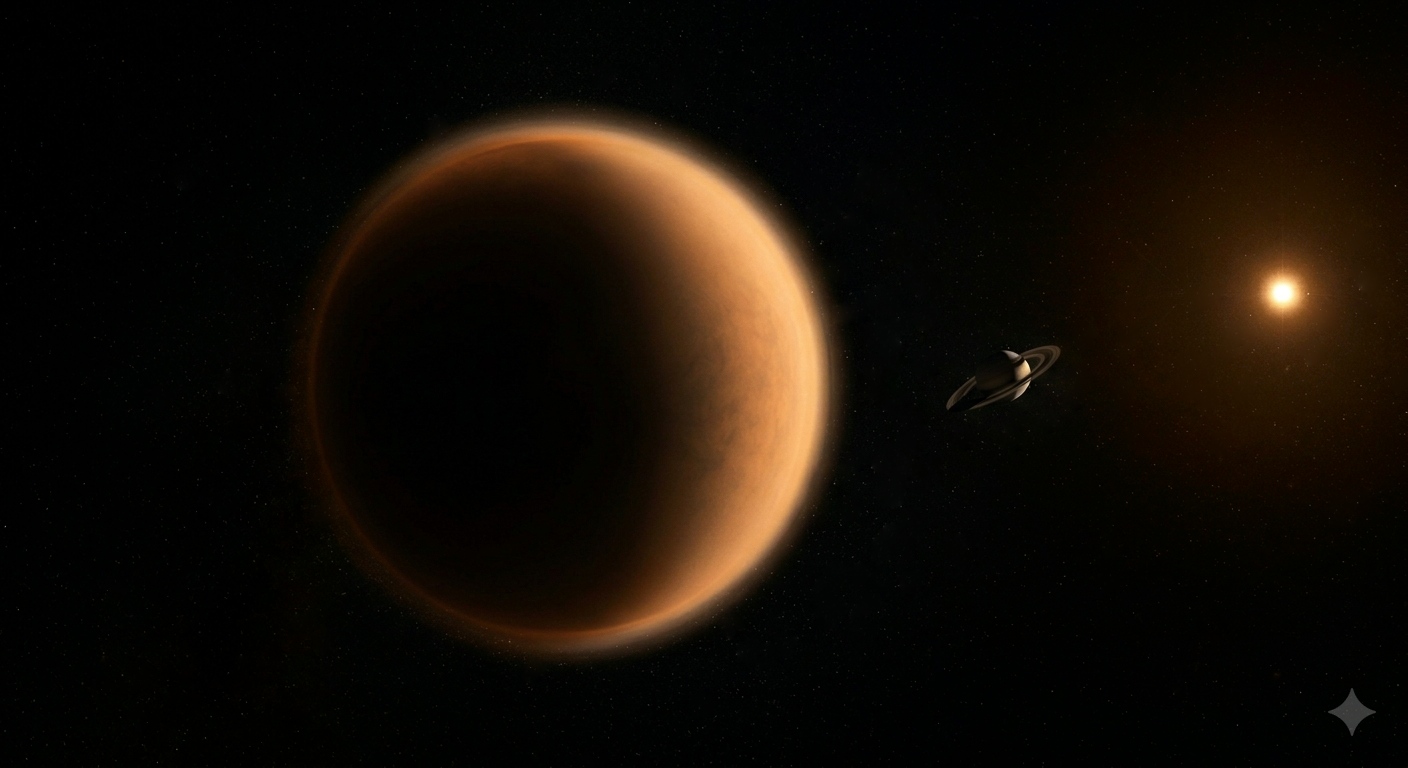
Furthermore, because the area around Saturn, where Titan is located, is extremely distant, it has not been investigated as extensively as Mars. To date, four missions to explore the vicinity of Saturn from outer space have been conducted (such as the Pioneer, Voyager, and Cassini spacecraft), but Titan has been investigated in detail only once by the Cassini-Huygens mission. Although no life (including microorganisms) or traces of life have been confirmed, it is one of the moons where future exploration is highly anticipated due to the existence of organic matter and liquids.
Cassini-Huygens
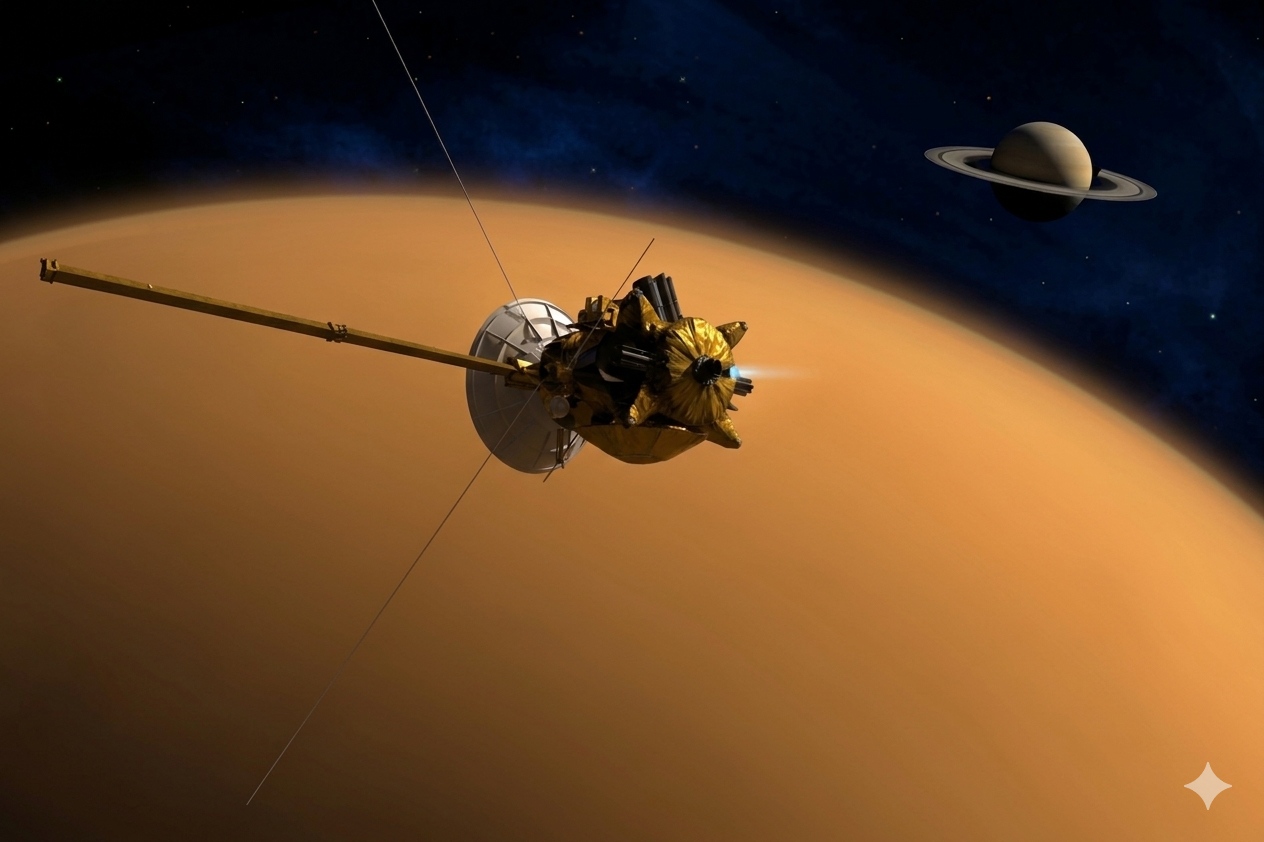
Cassini-Huygens is a joint mission between NASA and ESA designed to conduct detailed investigations of Saturn and its moons. It headed for the exploration of the Saturnian system as a combination of Cassini, an orbiting spacecraft, and Huygens, a descent probe. Its achievements are immense, revealing various new facts on Saturn and its moons, Titan and Enceladus.
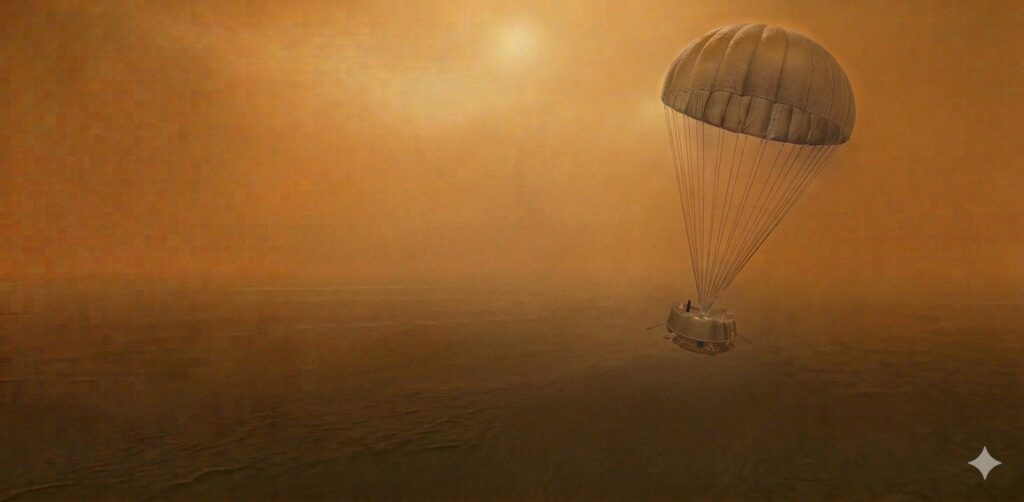
Huygens was a descent probe dedicated to Titan; it had no retro-rockets or wheels and descended for a soft landing using parachutes. After landing on the surface of Titan, it transmitted data for 72 minutes before shutting down due to battery depletion. Huygens also successfully captured a small number of surface photographs. Cassini continued to observe Titan from outer space thereafter, and the investigation of the terrain and atmosphere progressed using microwave radar, infrared, and other instruments.
Cassini Data
| Item | Value |
|---|---|
| Developer | NASA (United States) |
| Instruments | 12 types (radar, magnetometer, spectrometer, camera, etc.) |
| Power Source | Radioisotope Thermoelectric Generator (RTG) |
| Mass | Approx. 5.6 t (of which propellant is approx. 3 t) |
| Height | Approx. 6.8 m |
| Diameter (including antenna) | Approx. 4 m |
Huygens Data
| Item | Value |
|---|---|
| Developer | ESA (Europe) |
| Landing System | Soft landing by parachute |
| Instruments | 6 types (atmosphere, wind, temperature, composition, surface imaging, etc.) |
| Power Source | Lithium-based battery |
| Mass | 318 kg |
| Diameter | 2.7 m |
Cassini-Huygens’s history
1997: Launch from Earth (Rocket carrying Cassini)
1998: Venus gravity assist (flyby)
1999: Earth gravity assist (flyby)
2000: Jupiter gravity assist (flyby)
2004: Cassini enters Saturn's orbit
2005: Huygens enters Titan's atmosphere and lands
2005: Huygens shuts down 72 minutes after landing on the surface
2006: Cassini discovers methane and ethane lakes in the north polar region
2017: End of Cassini mission (Atmospheric entry into Saturn)
Titan is Far Away
Saturn, where Titan is located, is at least 1.2 billion km away from Earth at its closest point, which is extremely distant compared to Mars’ minimum distance of 50 million km. If you were to fly there at the speed of a commercial passenger plane, it would take 150 years, giving a real sense of just how immensely far away it is.
Even with the energy of a rocket, it takes a long time to arrive. Therefore, spacecraft use a technique called a gravity assist (flyby), which utilizes the gravity of planets like Venus and Earth to accelerate, significantly shortening the travel time. However, even though Cassini reached speeds of approximately 44.0 km/s through gravity assists, it still took about 7 years to arrive.
A Day and the Seasons on Titan
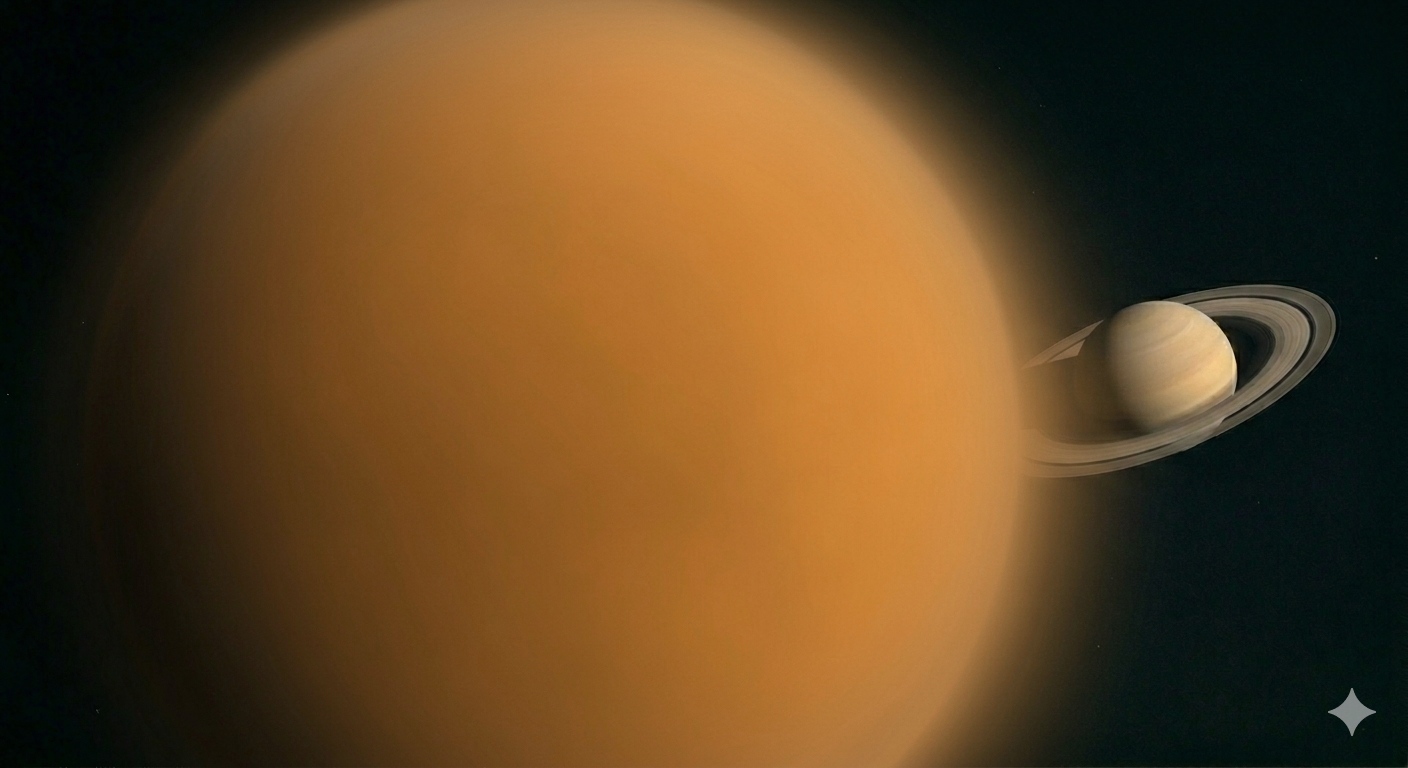
A single day on Titan is very long, equivalent to approximately 16 Earth days. Titan always keeps the same face turned toward Saturn, meaning its rotation period is synchronized with its orbital period around the planet.
Titan also experiences seasons. While Titan’s tilt relative to Saturn’s equatorial plane is small (about 0.3 degrees), Saturn itself is tilted by about 27 degrees. This tilt becomes Titan’s effective tilt relative to the Sun. Consequently, this 27-degree axial tilt generates seasons in conjunction with Saturn’s orbital period around the Sun, which lasts about 30 years.
As the seasons change, periods occur where the temperature of the atmosphere and surface fluctuates. This triggers phenomena that significantly impact the terrain, such as strong winds and methane rainfall.
Rotation and Orbital Period of Titan
| Item | Content |
|---|---|
| Titan’s Rotation Period (Titan’s Day) | Approx. 16 Earth days (15 days 22 hours) |
| Titan’s Orbital Period (around Saturn) | Approx. 16 Earth days (same value due to synchronous rotation and revolution) |
| Titan’s Tilt (relative to Saturn’s equator) | Approx. 0.3 degrees |
| Saturn’s Orbital Period (Titan’s Year) | Approx. 30 Earth years (29.5 years) |
| Saturn’s Tilt (relative to orbital plane) | Approx. 27 degrees (26.7 degrees) → Cause of seasonal changes |
Atmosphere of Titan
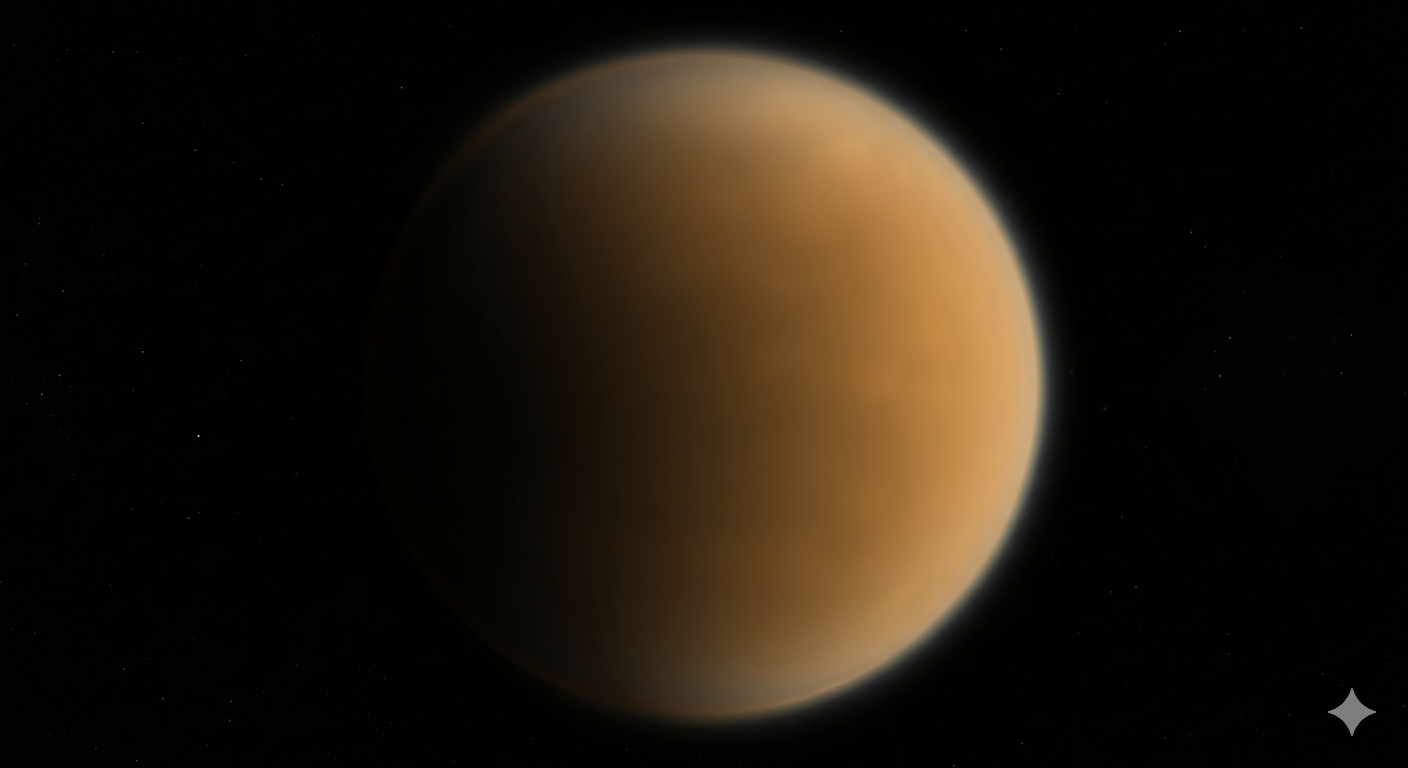
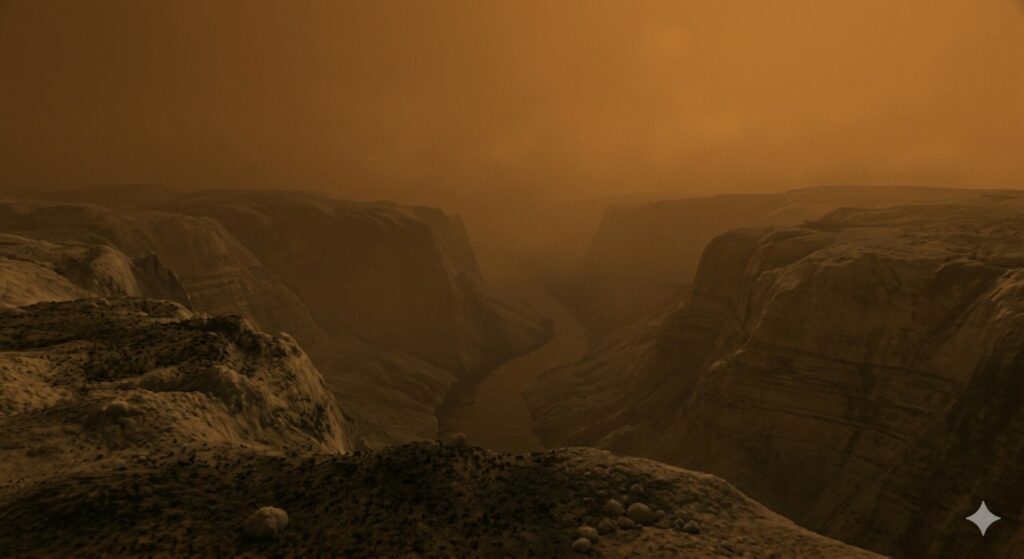
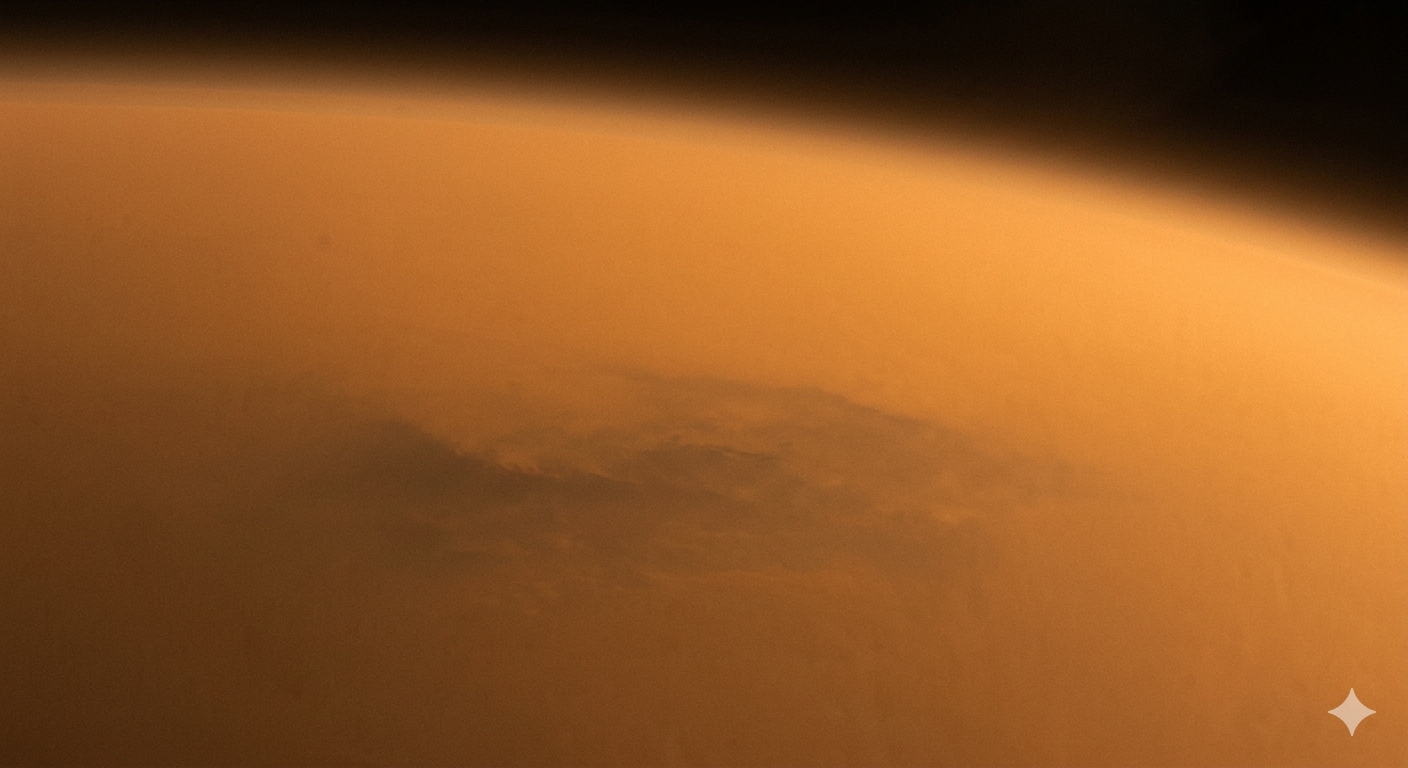
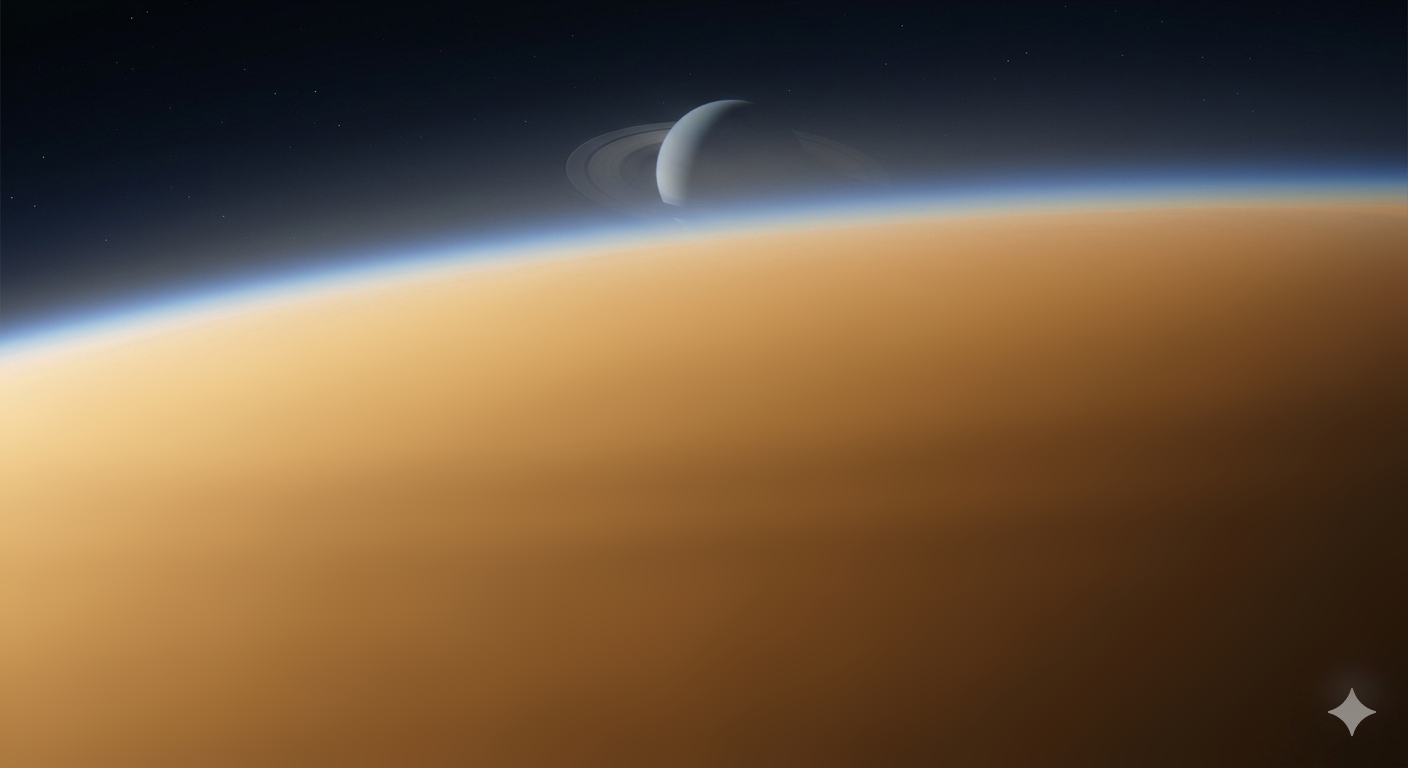
The primary component of Titan’s atmosphere is nitrogen, and the atmospheric pressure near the surface is approximately 1.5 times that of Earth. The atmosphere is filled with smog composed of fine particles of tholins – organic compounds produced from nitrogen and methane. This tholin-based smog is known as haze; it drifts throughout the entire atmosphere, from the stratosphere down to the surface, enveloping the moon in an orange “mist.” Consequently, the surface cannot be seen from outer space with visible light*, and it is similarly difficult to see Saturn from the surface.
* Photos showing the surface from space are available on official NASA and ESA websites, but these are captured using infrared or other non-visible wavelengths.
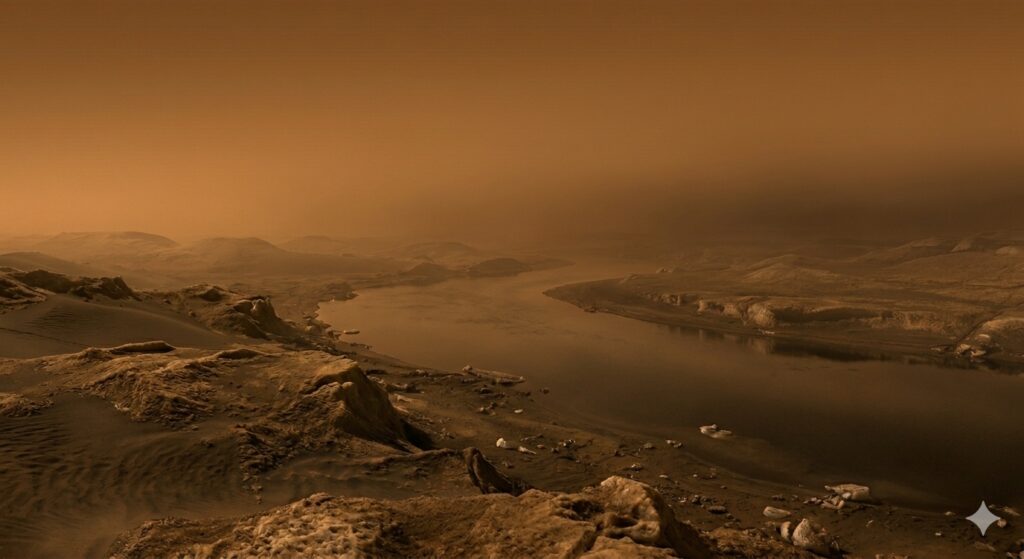
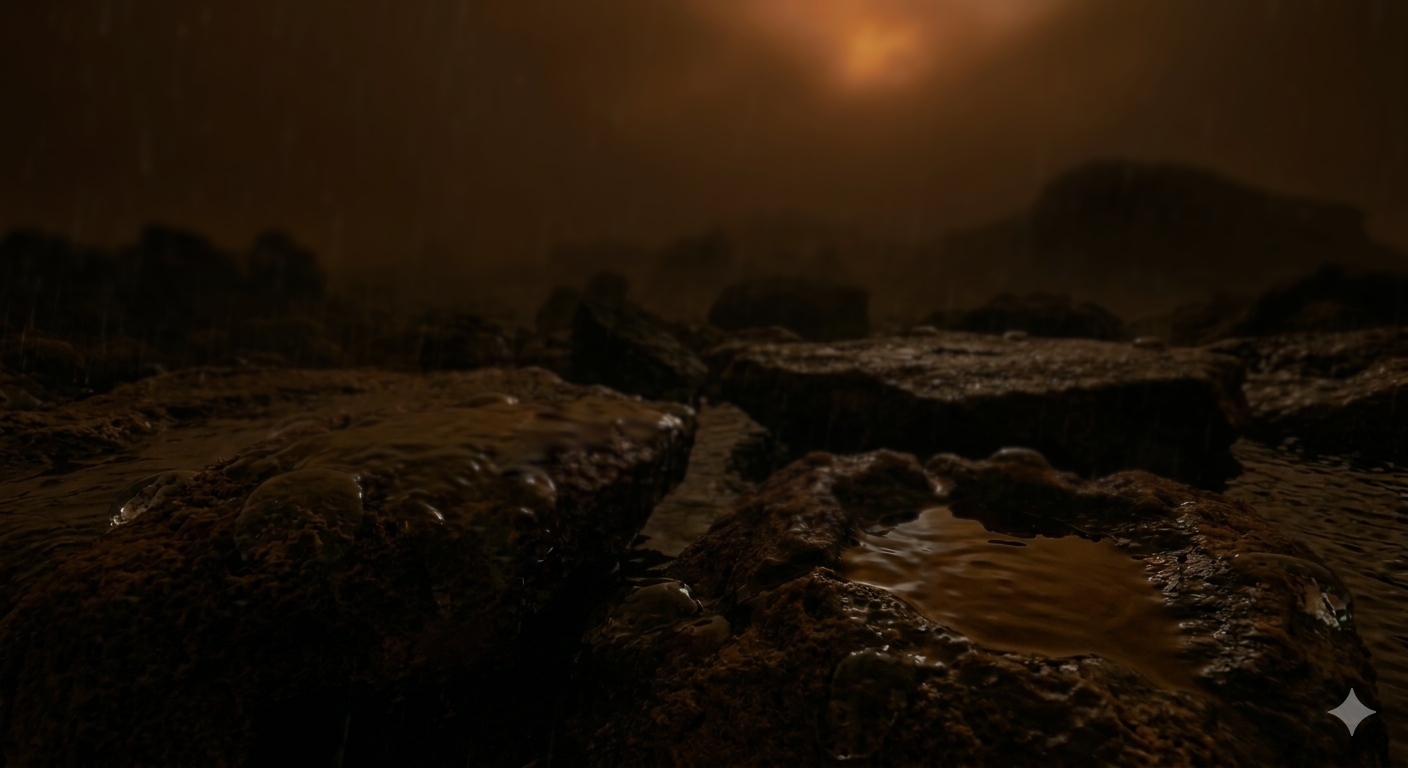
In addition to the constant haze and poor visibility, the brightness in the vicinity of Saturn is only about 1/90 of that near Earth. Therefore, even during the brightest time of day, a dim and gloomy landscape stretches across the surface.
Atmospheric Currents and Winds
In Titan’s stratosphere, there are jet streams that reach speeds of 200 meters per second (approximately 720 km/h). These jet streams are a phenomenon known as super-rotation, where the atmosphere moves much faster than the moon’s rotation—specifically, flowing in the direction of rotation at about 10 times the speed of the surface rotation.
On the other hand, winds near the surface are very gentle (or non-existent), and strong winds like those found on Earth or Mars generally do not occur. However, it is speculated that strong winds may blow during periods such as the change of seasons.
Plains
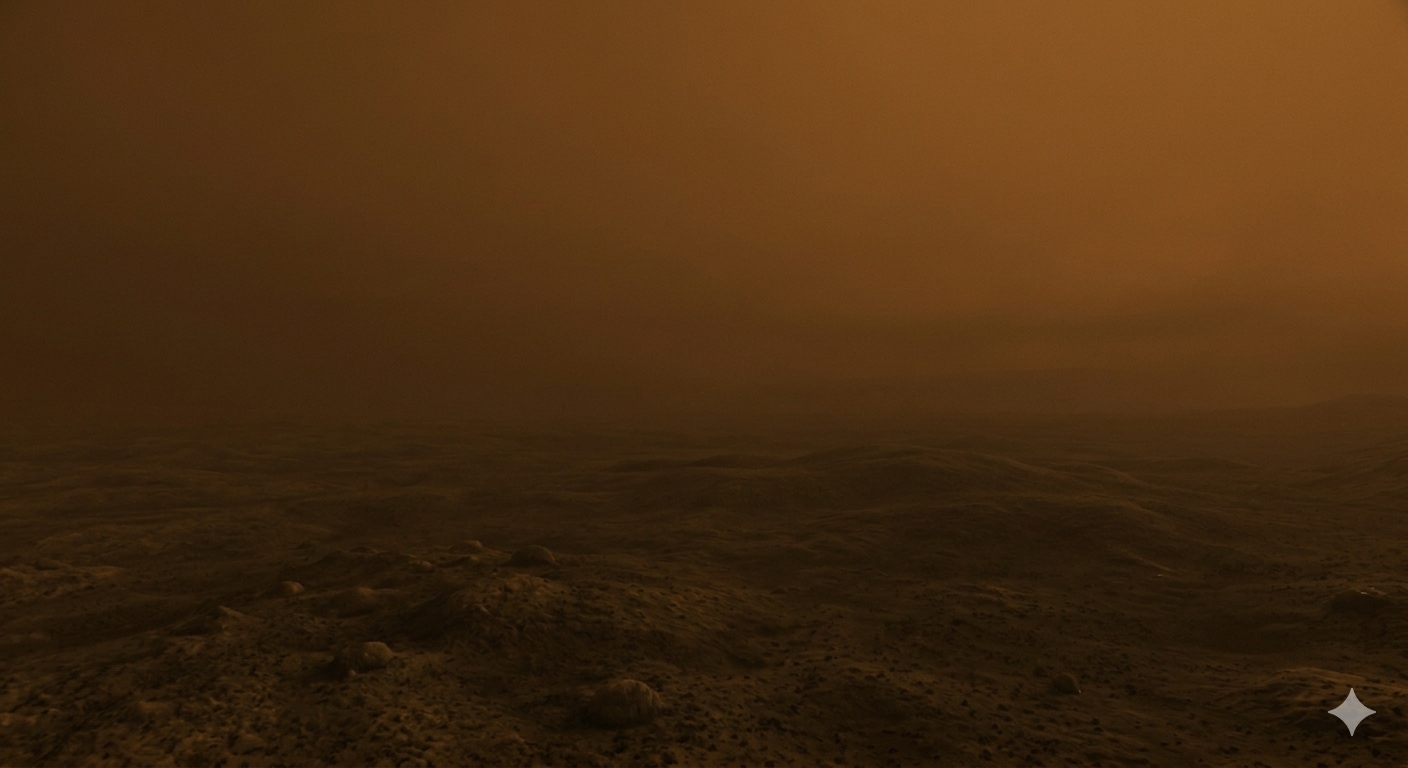
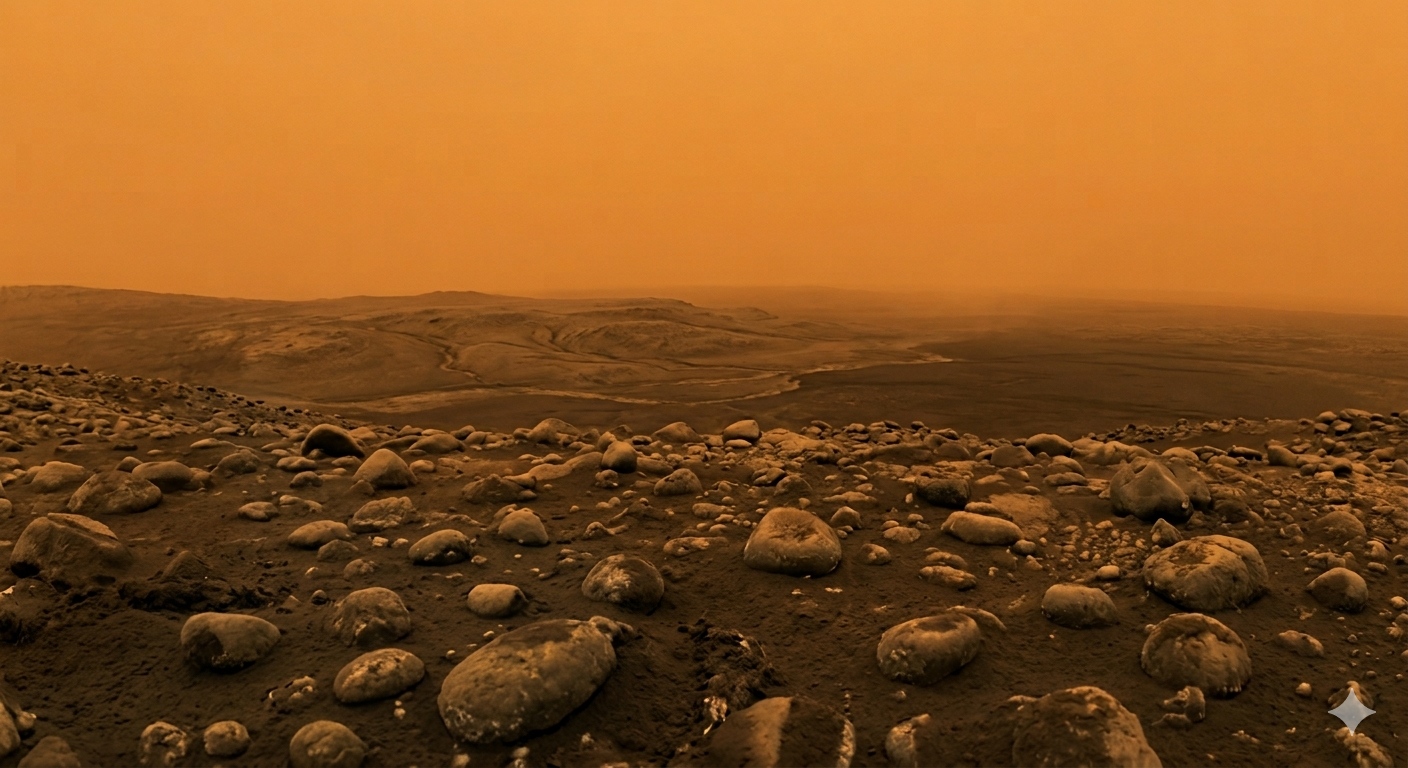
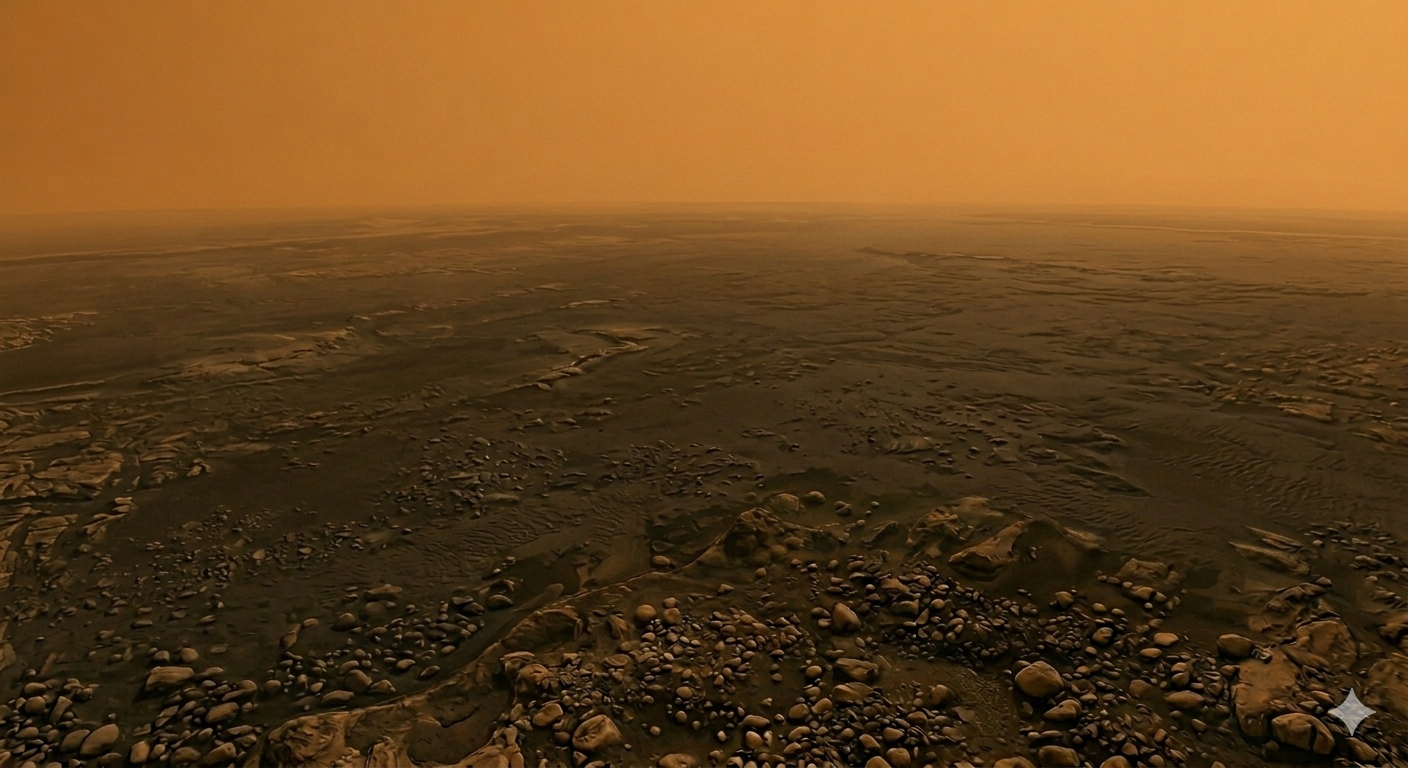
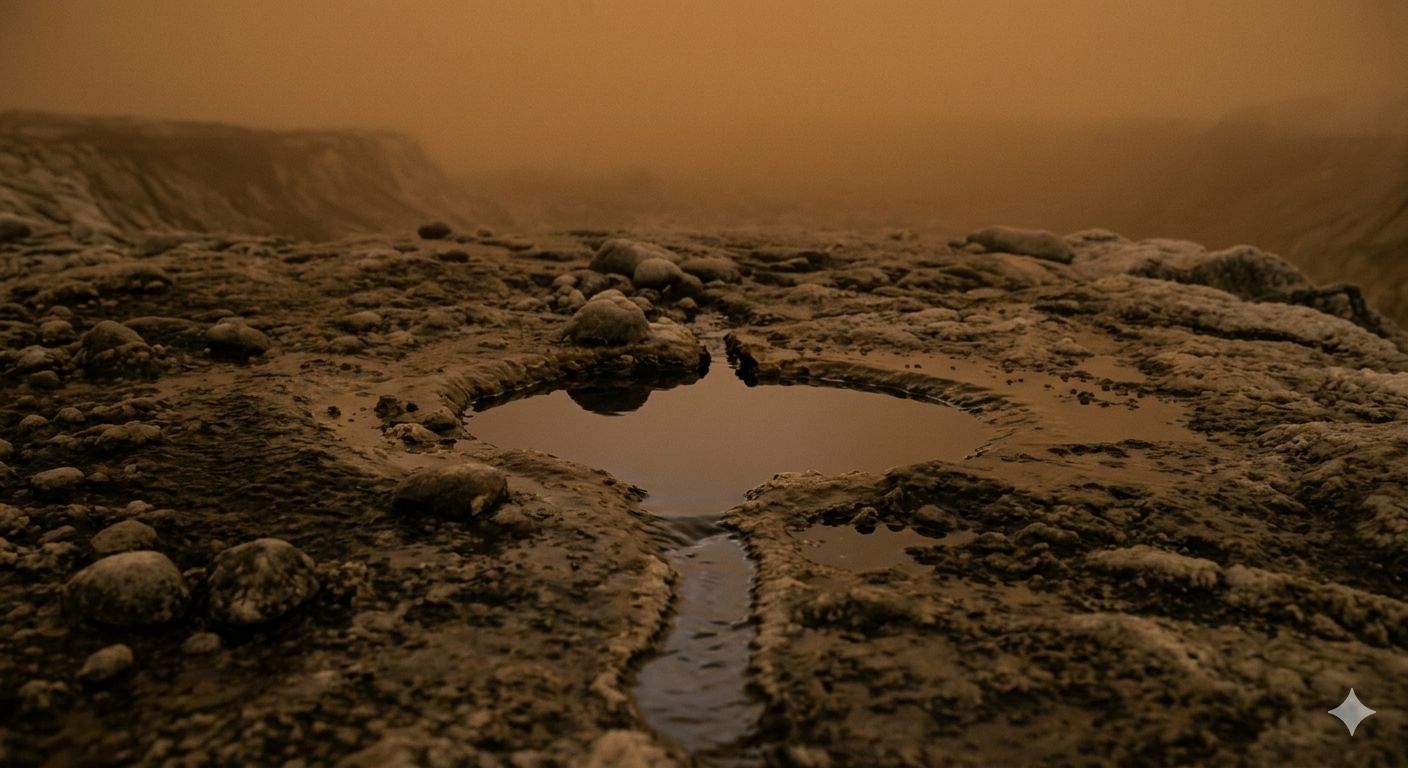
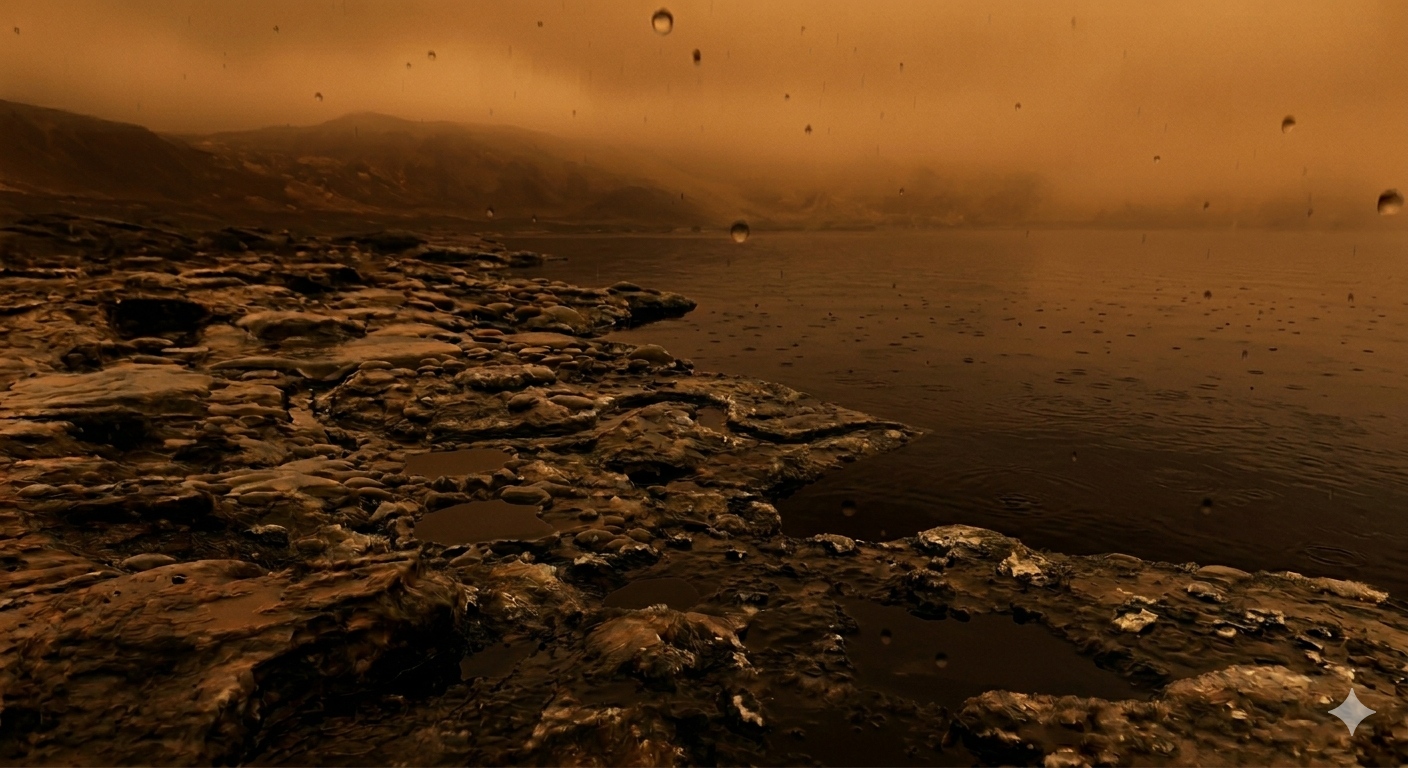
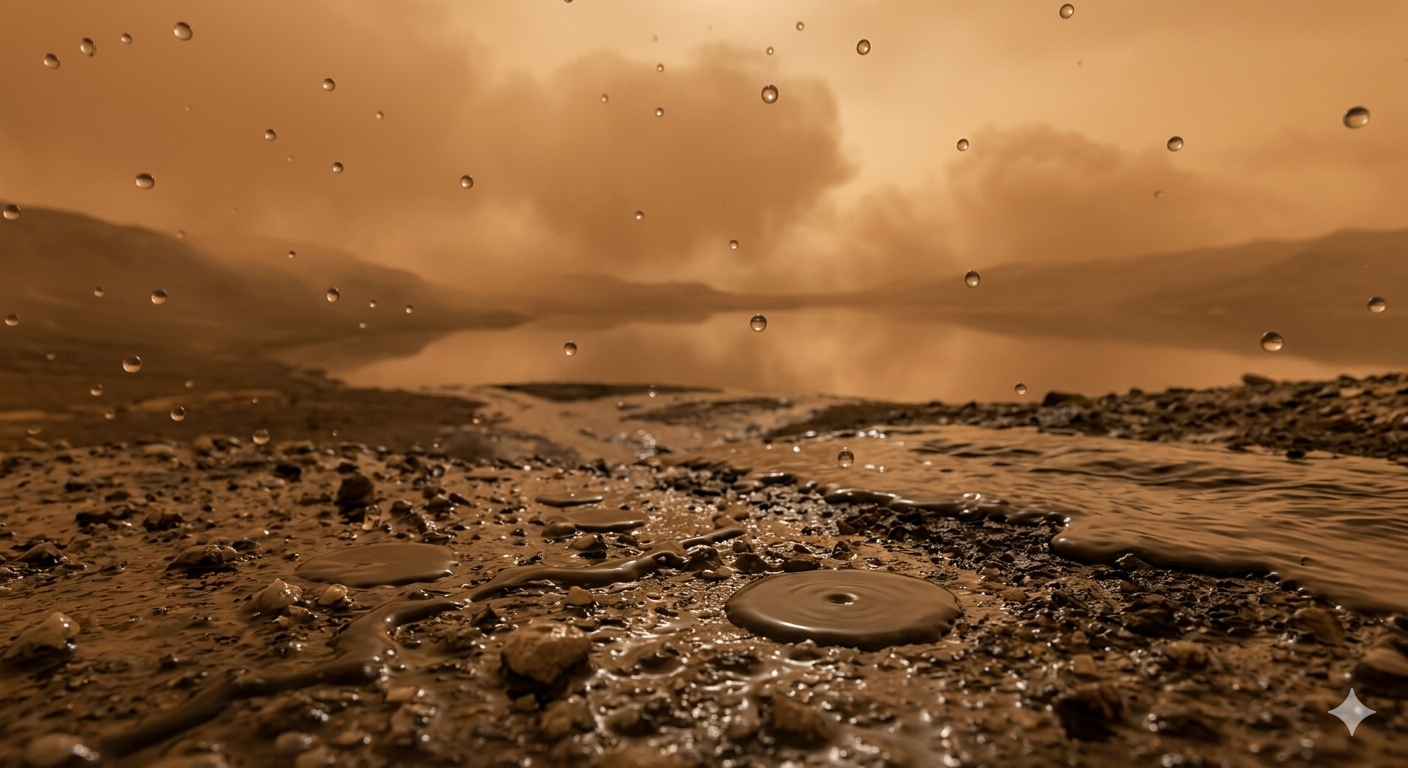
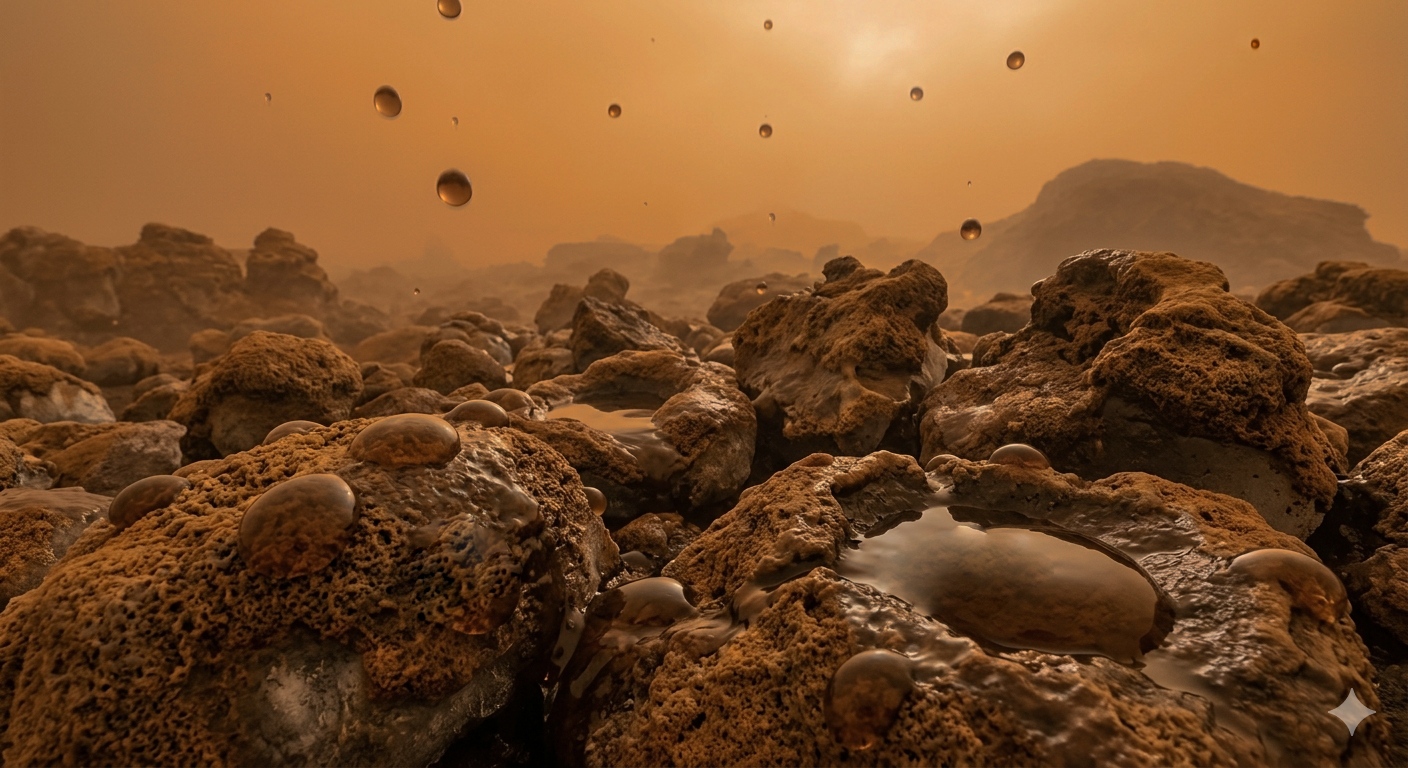
On Titan, plains cover 65% of the surface, creating vast, expansive landscapes. These plains are stained a brownish-orange due to the accumulation of tholins. The composition of the plains is believed to be a mixture of tholins, methane, and ice. The site where Huygens landed is one of these plains. Trace amounts of liquid methane were detected, leading to the speculation that the surface has a texture similar to wet sand. Furthermore, rounded rocks (made of water ice) were confirmed on the plains; the prevailing theory is that these were shaped by the flow of liquids (methane rivers) in the past.
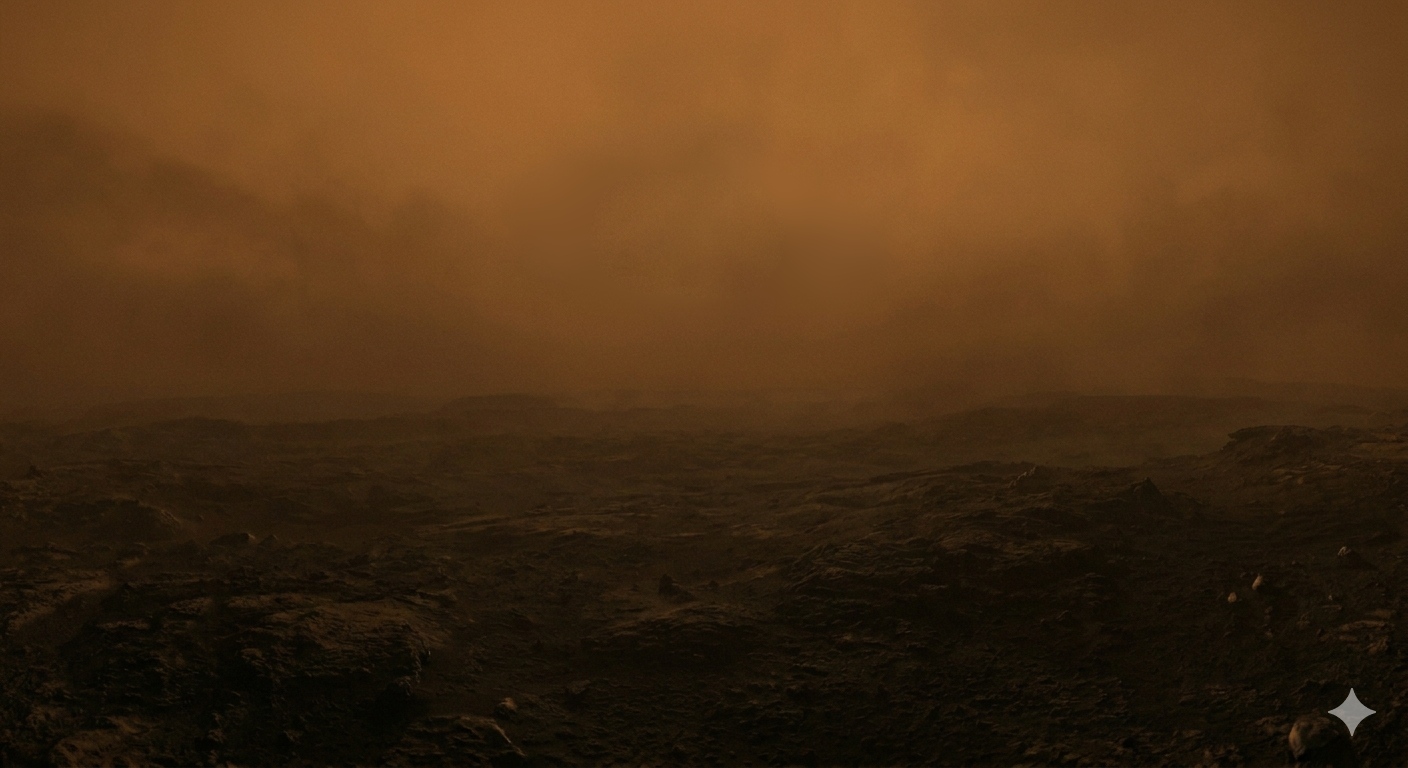
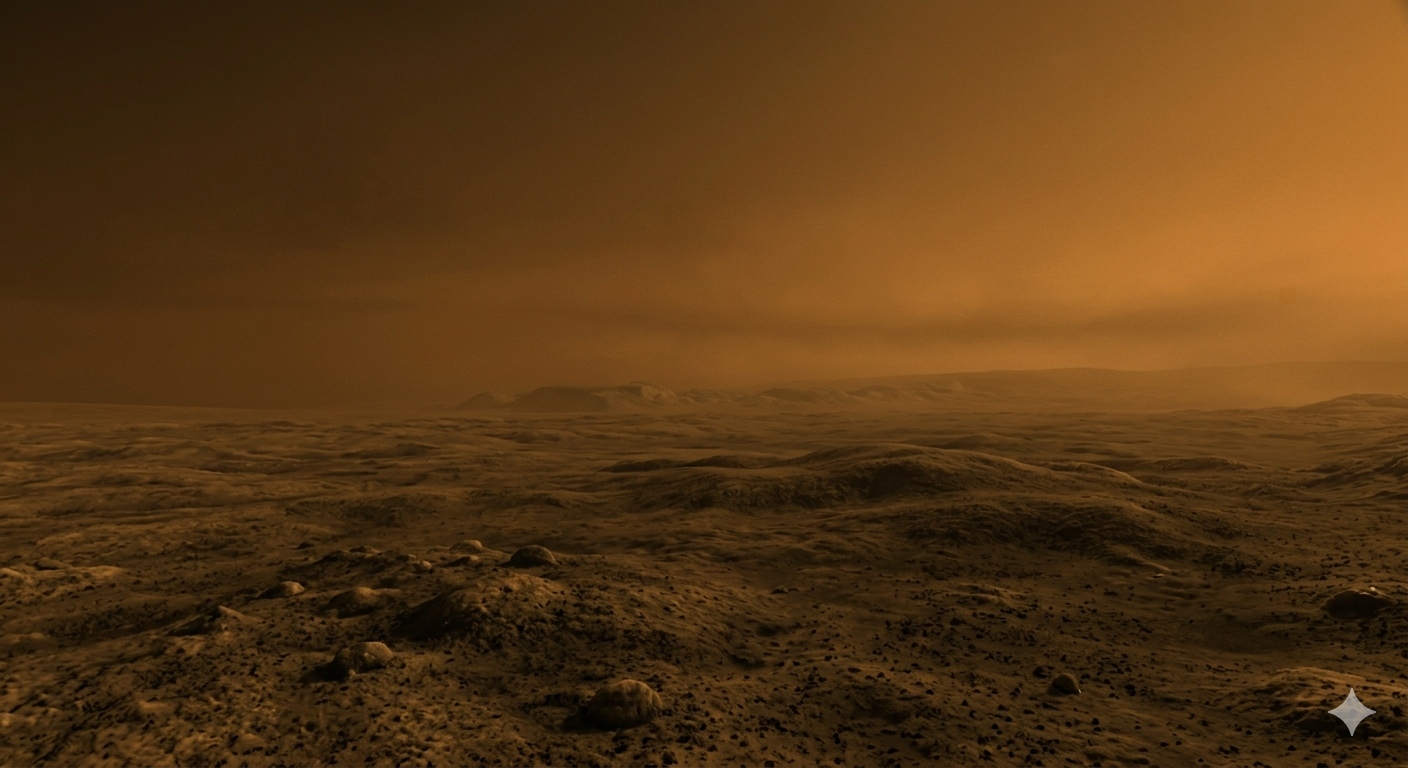
Due to the haze, long-distance visibility on the surface is limited, with a predicted range of only a few kilometers. It is also speculated that methane fog can occur; when it does, visibility deteriorates even further.
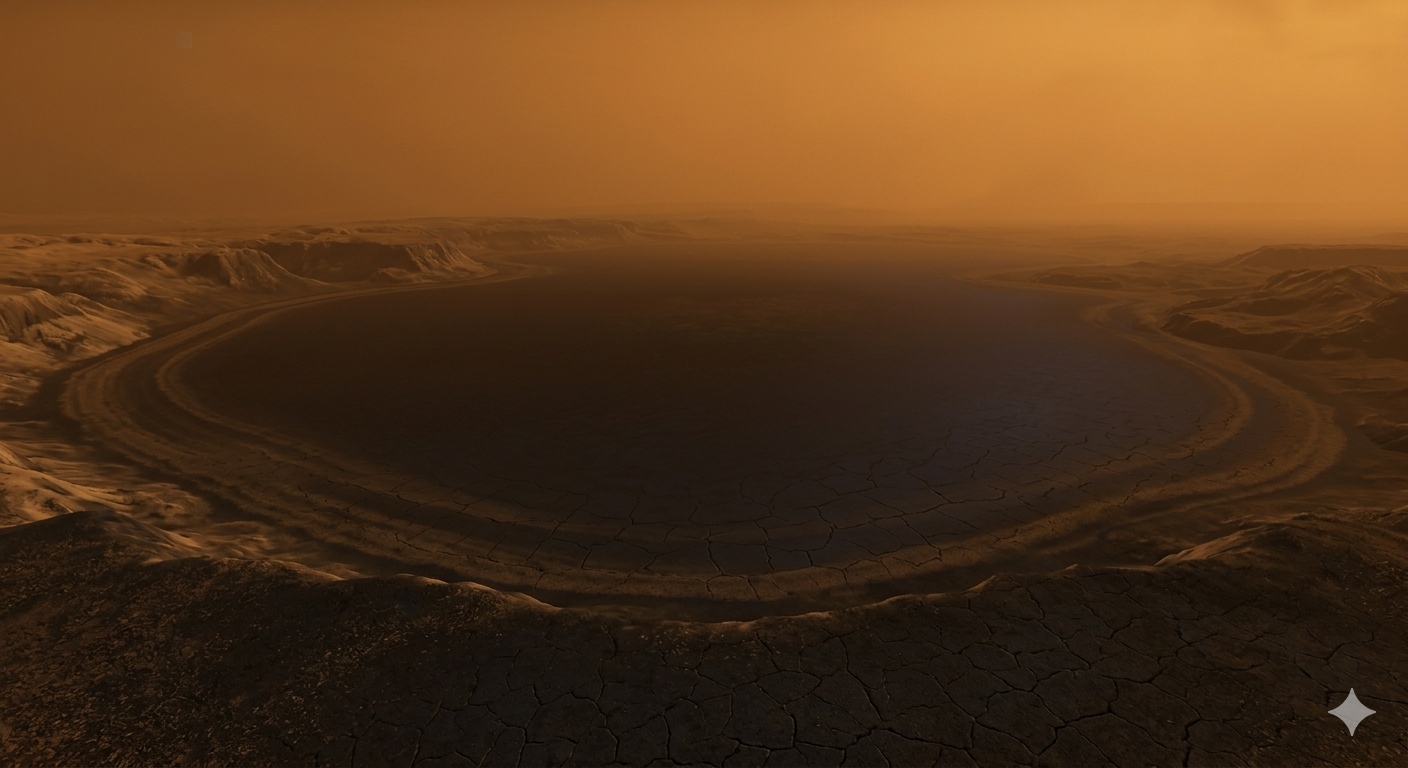
Methane Lakes
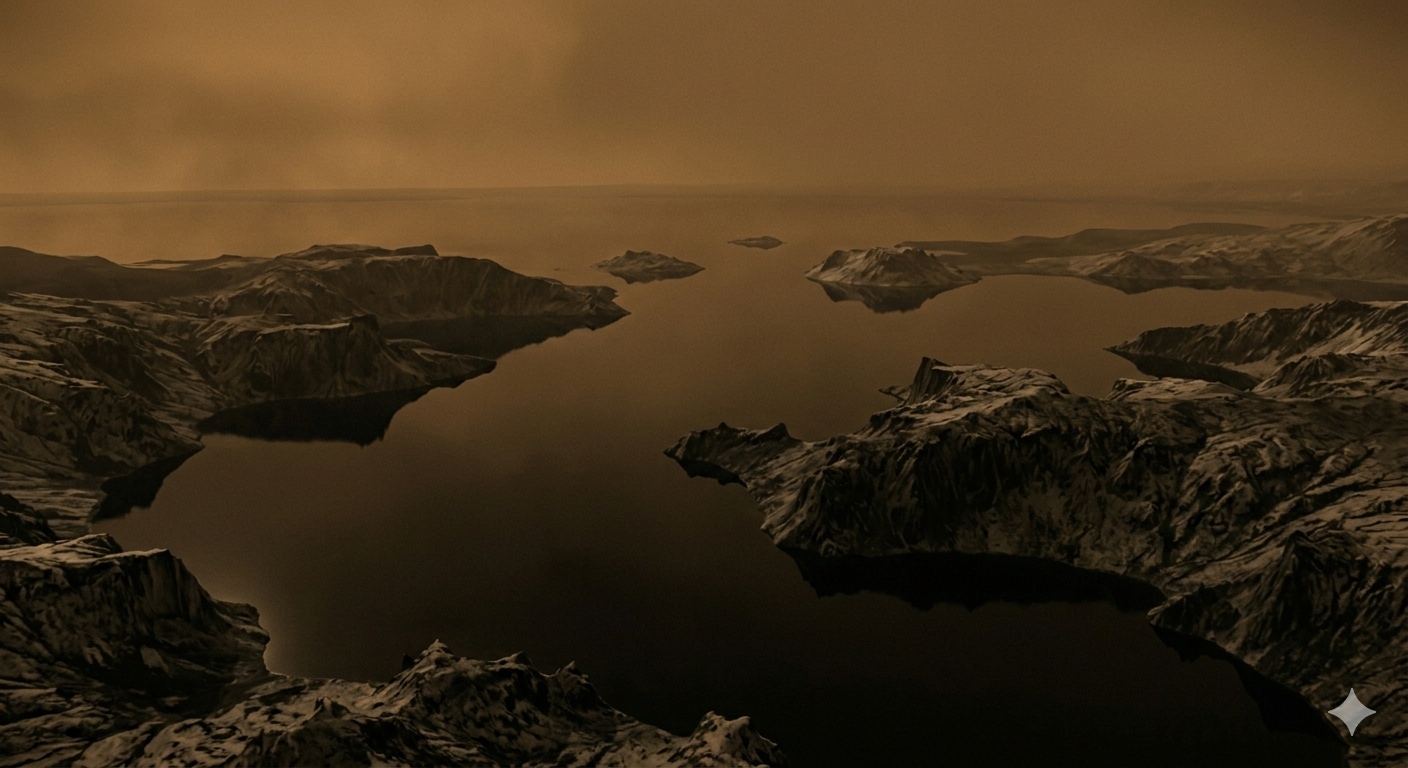
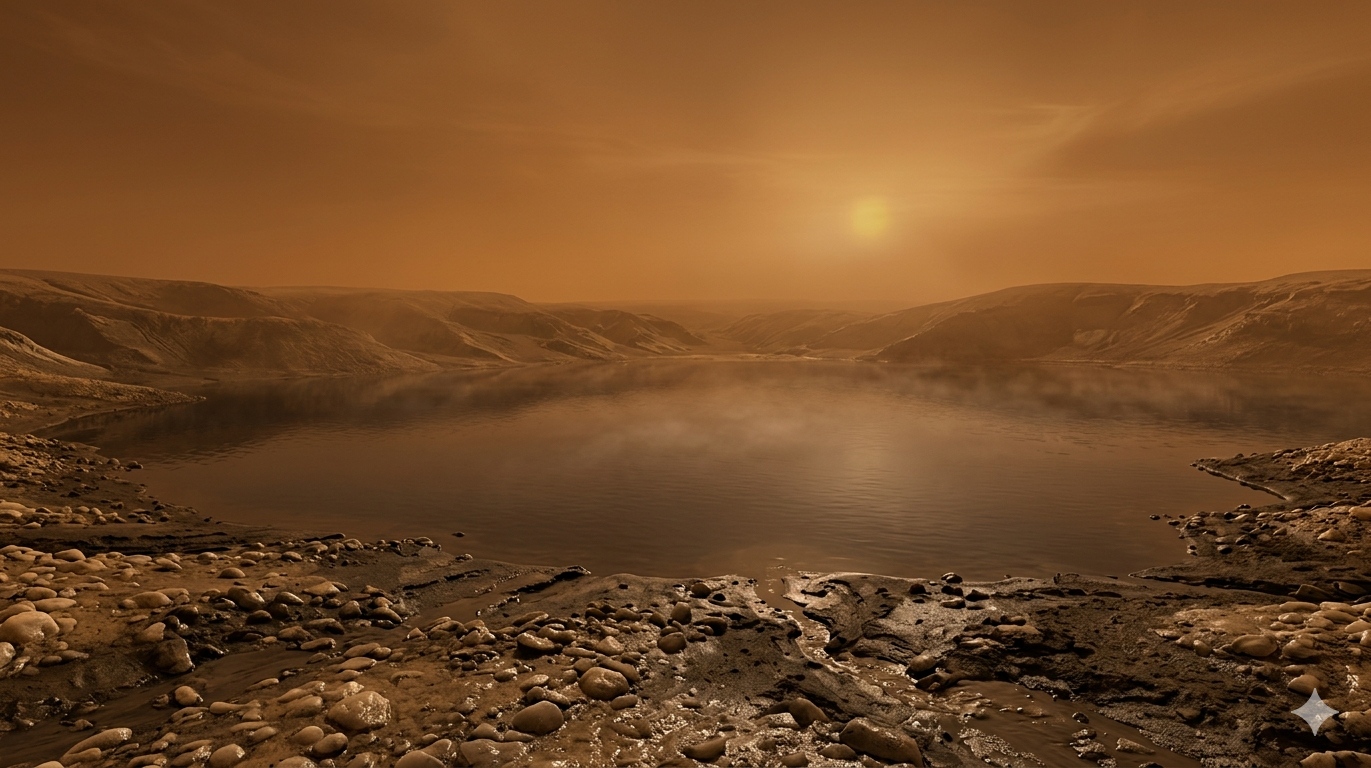
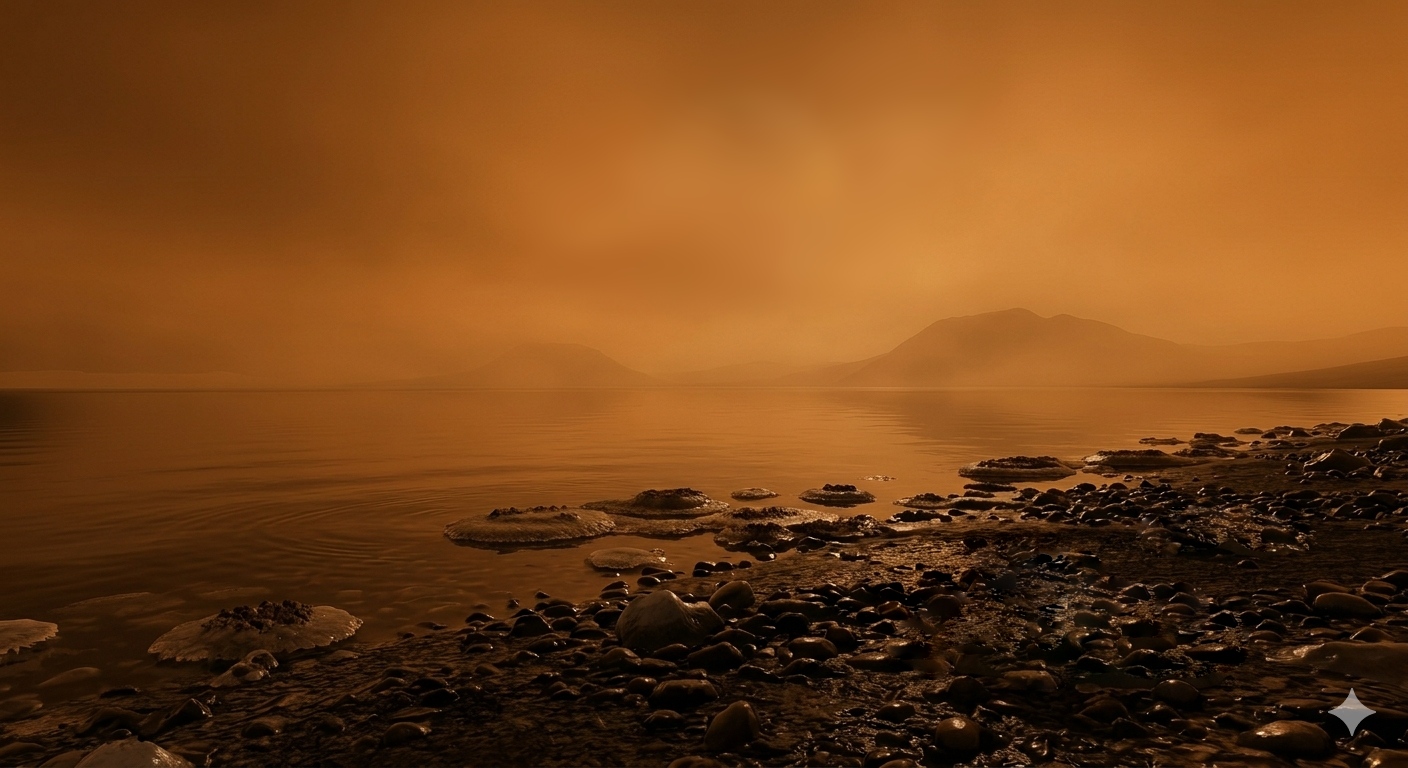
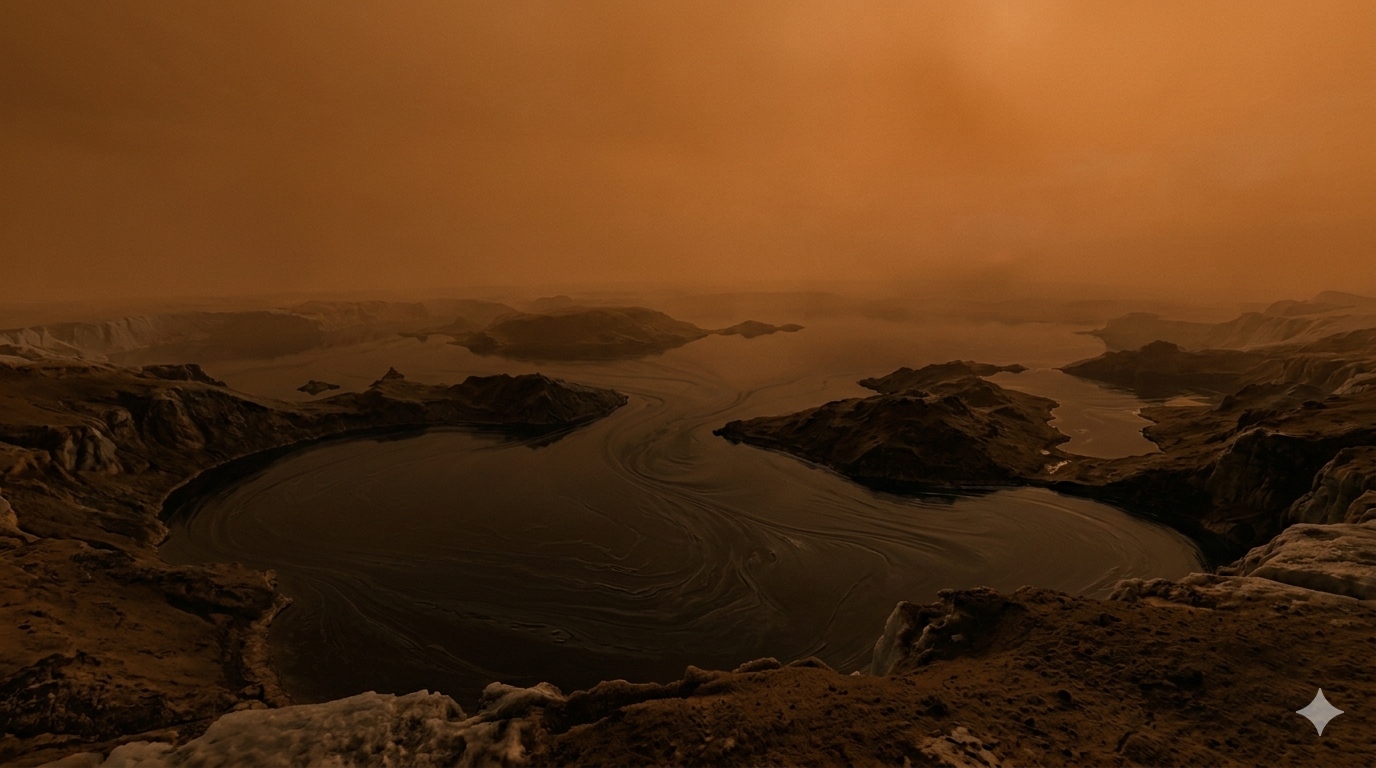
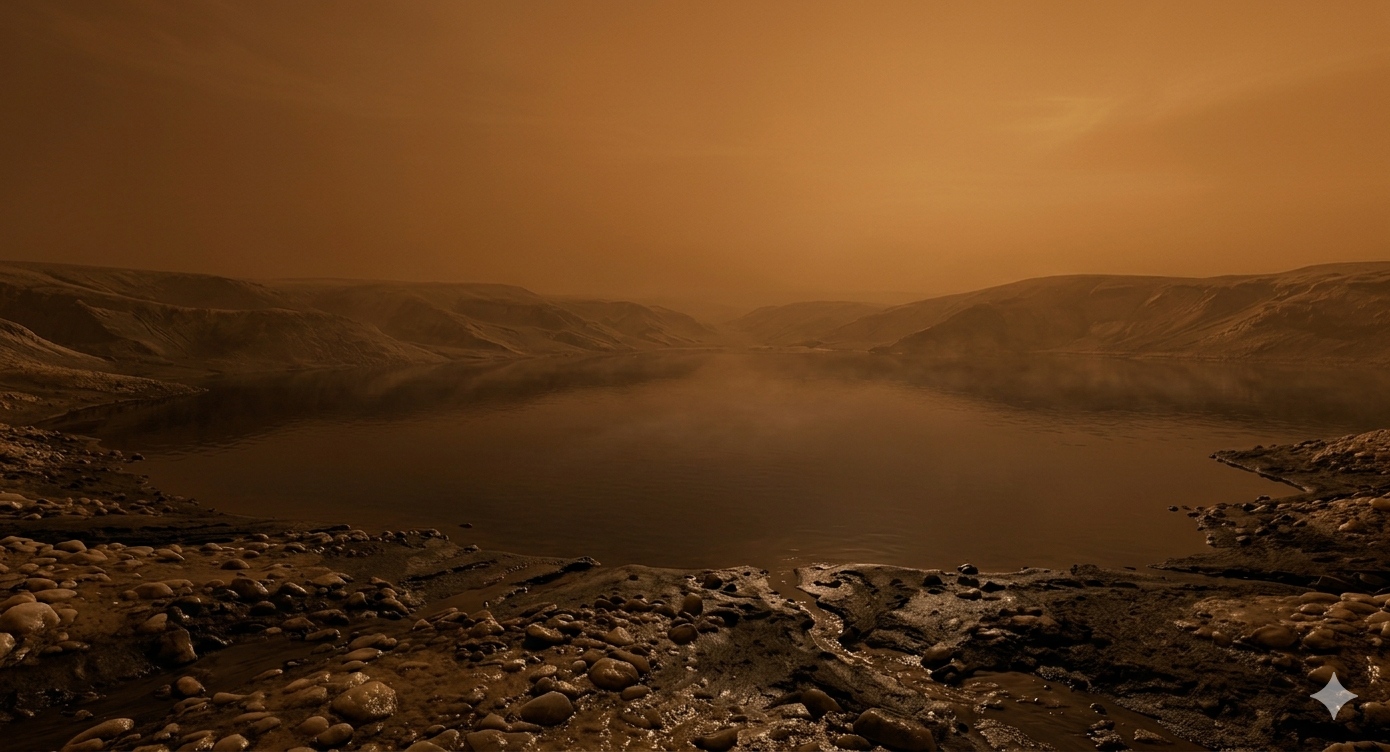
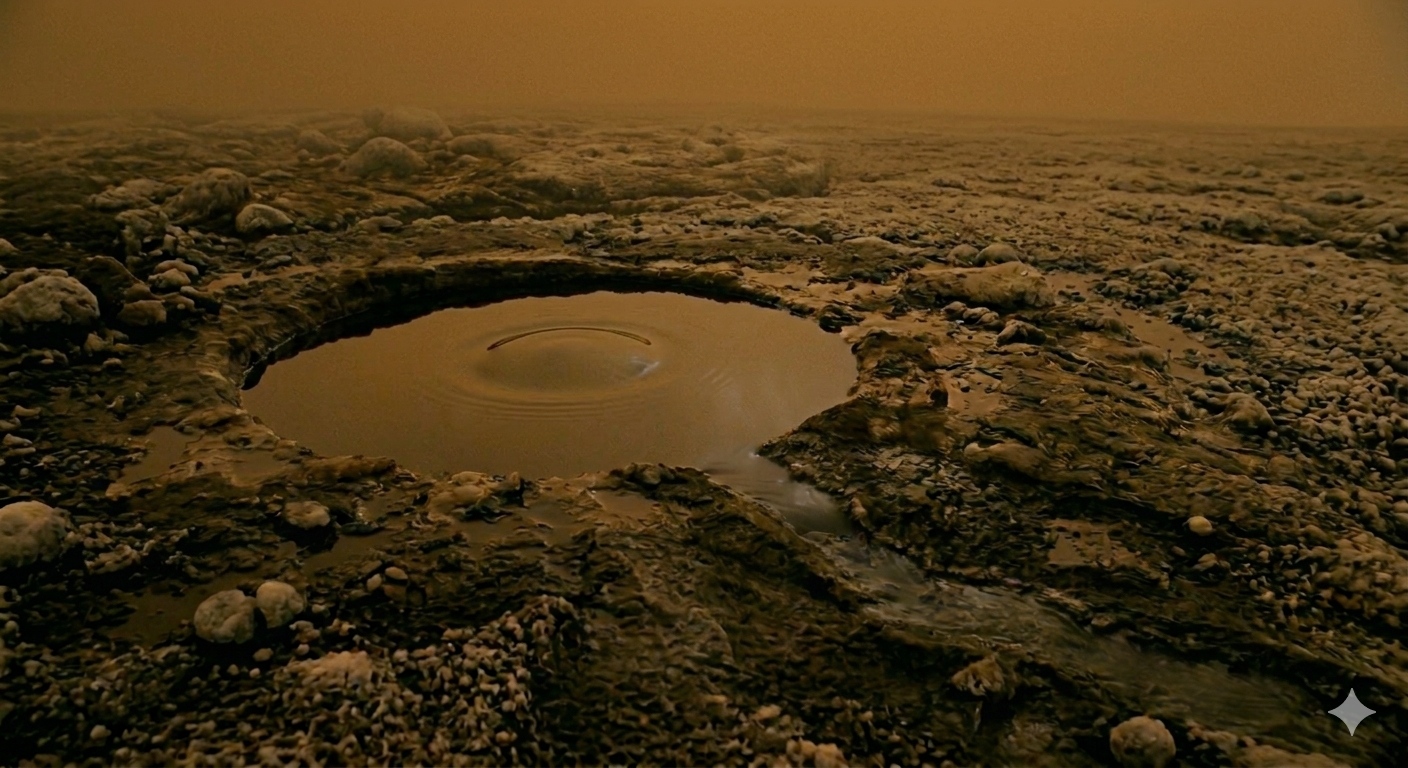
A truly remarkable feature of Titan is the presence of liquid on its surface. This liquid consists of methane* at an cryogenic temperature of approximately -180°C. These liquids exist as methane lakes in the polar regions, with particularly large-scale formations concentrated in the north pole.
*The liquid is primarily composed of methane, but also contains ethane and other organic substances.
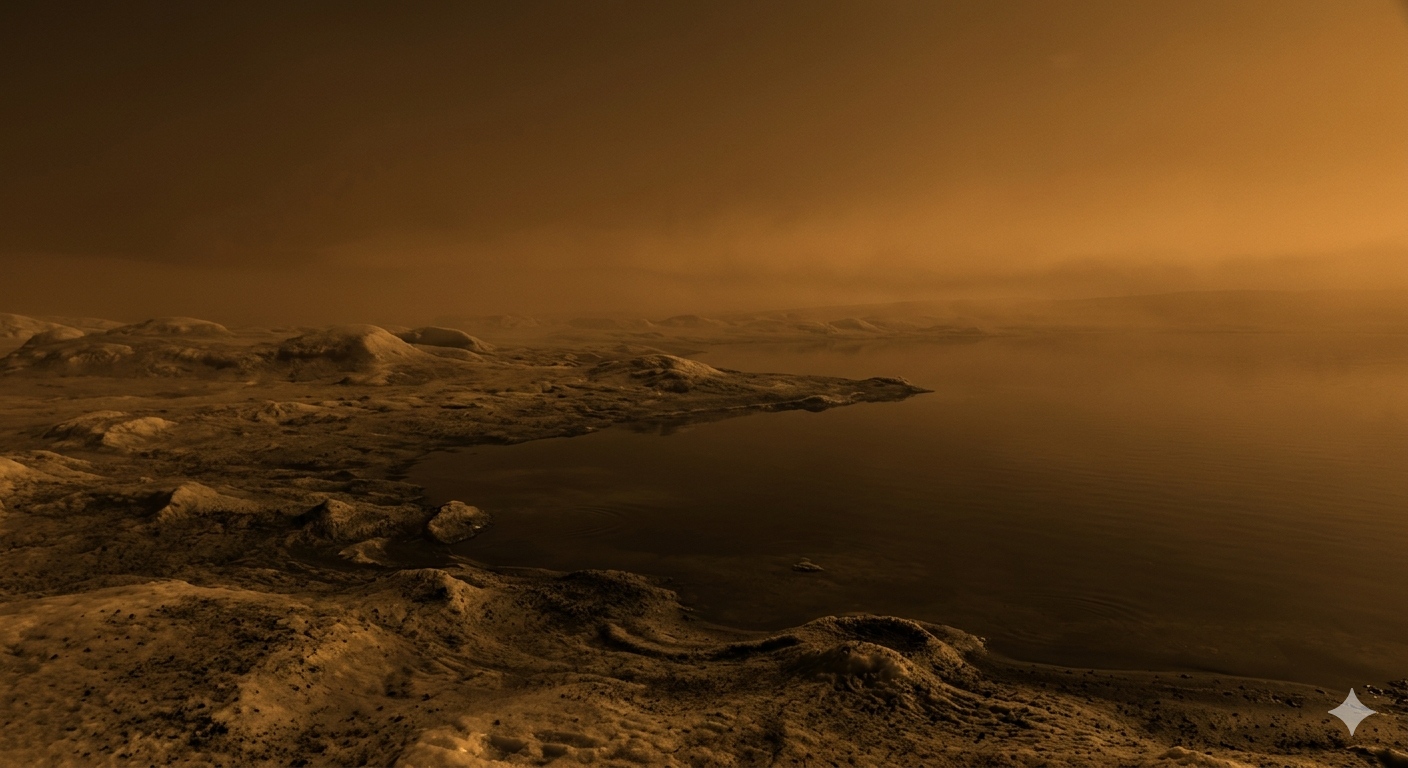
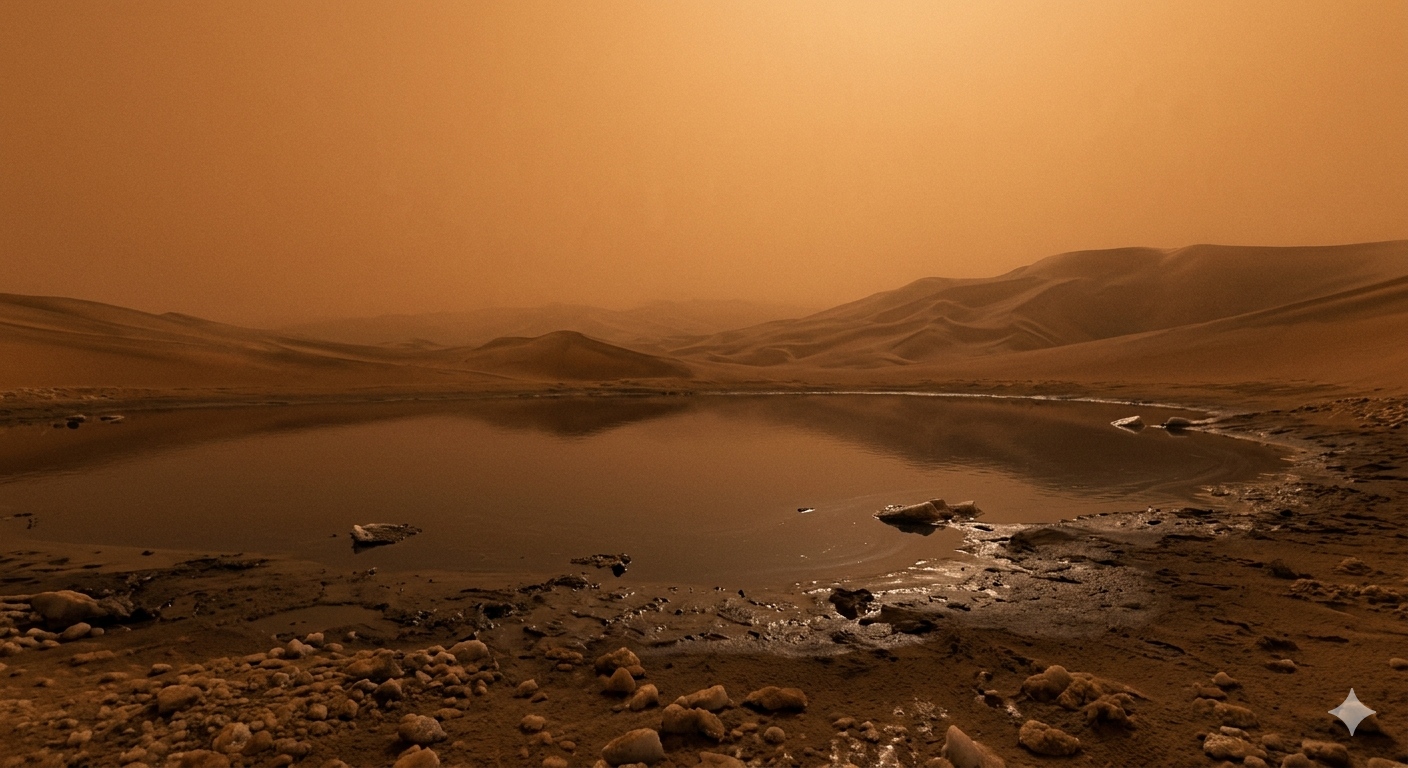
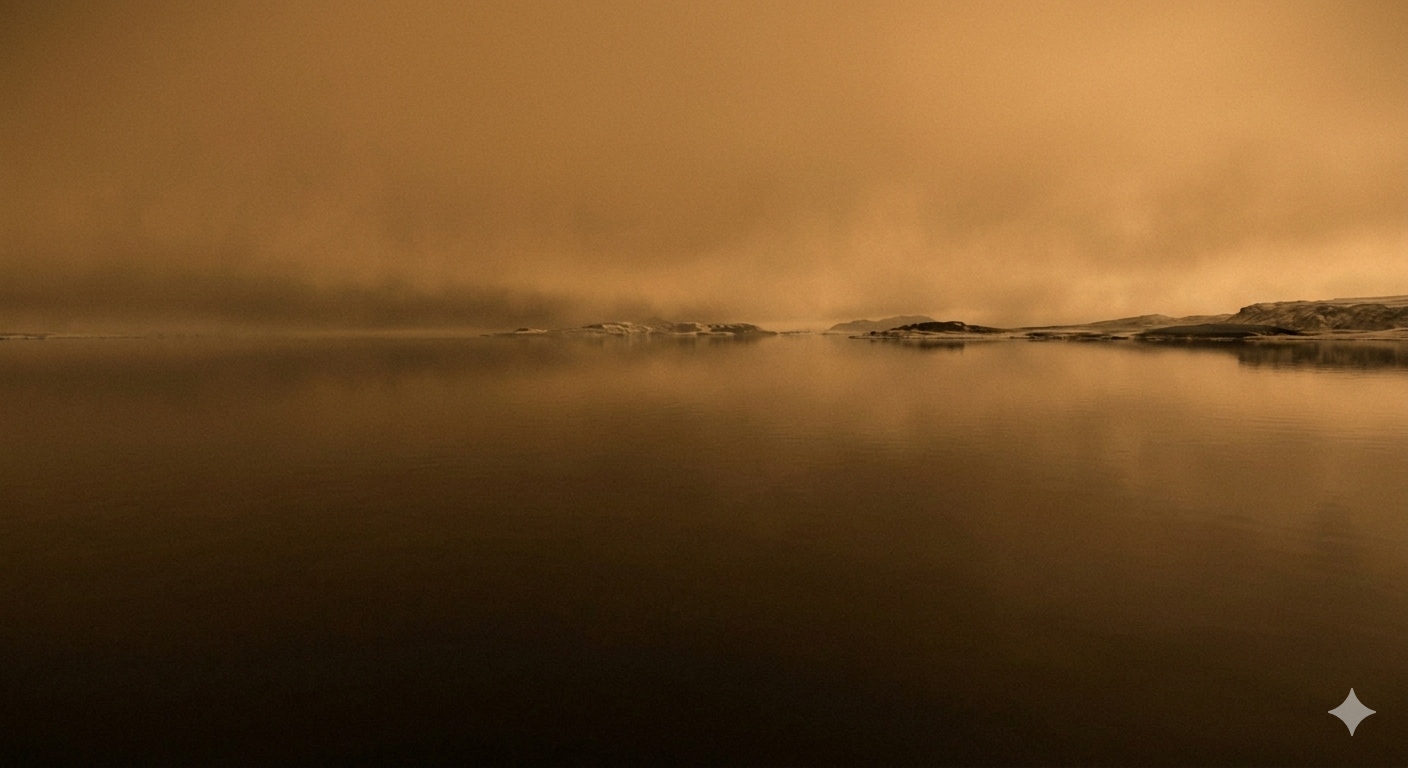
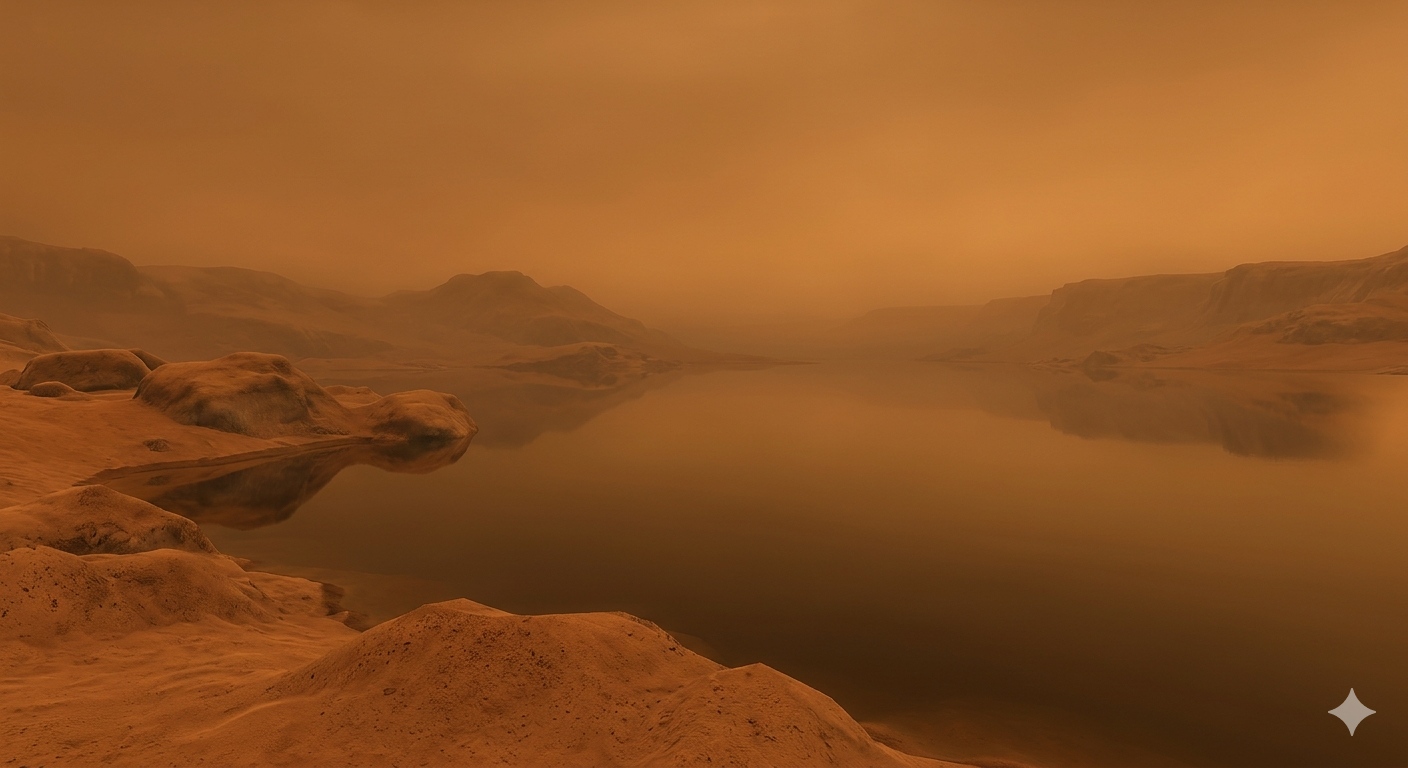
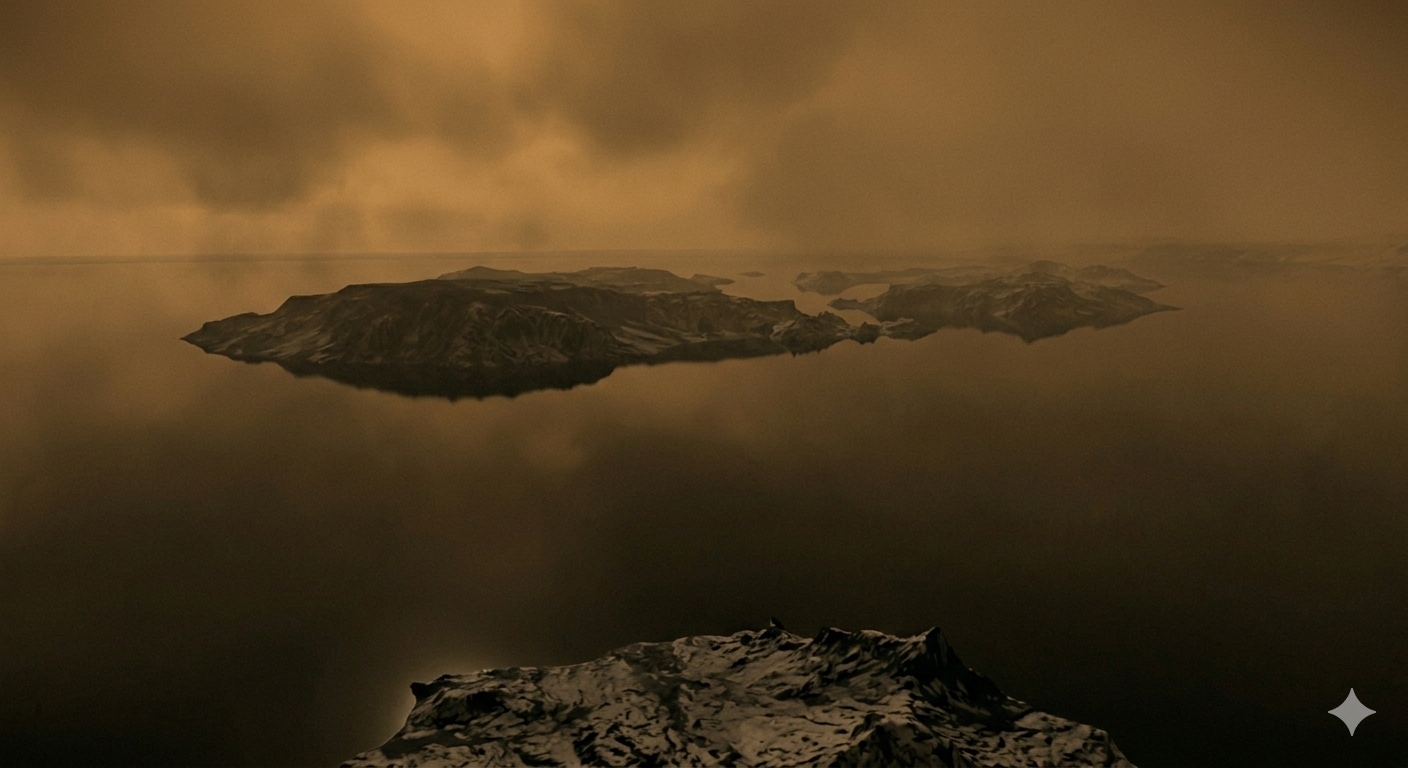

Small-scale, temporary methane pools have also been confirmed near the equator. The largest body of liquid, located at the north pole, is known as Kraken Mare, and its surface area is comparable to that of the Caspian Sea on Earth. A depth of approximately 85 meters has been confirmed in its coastal areas, while the deepest parts are thought to exceed 300 meters – so deep that the bottom could not be measured.
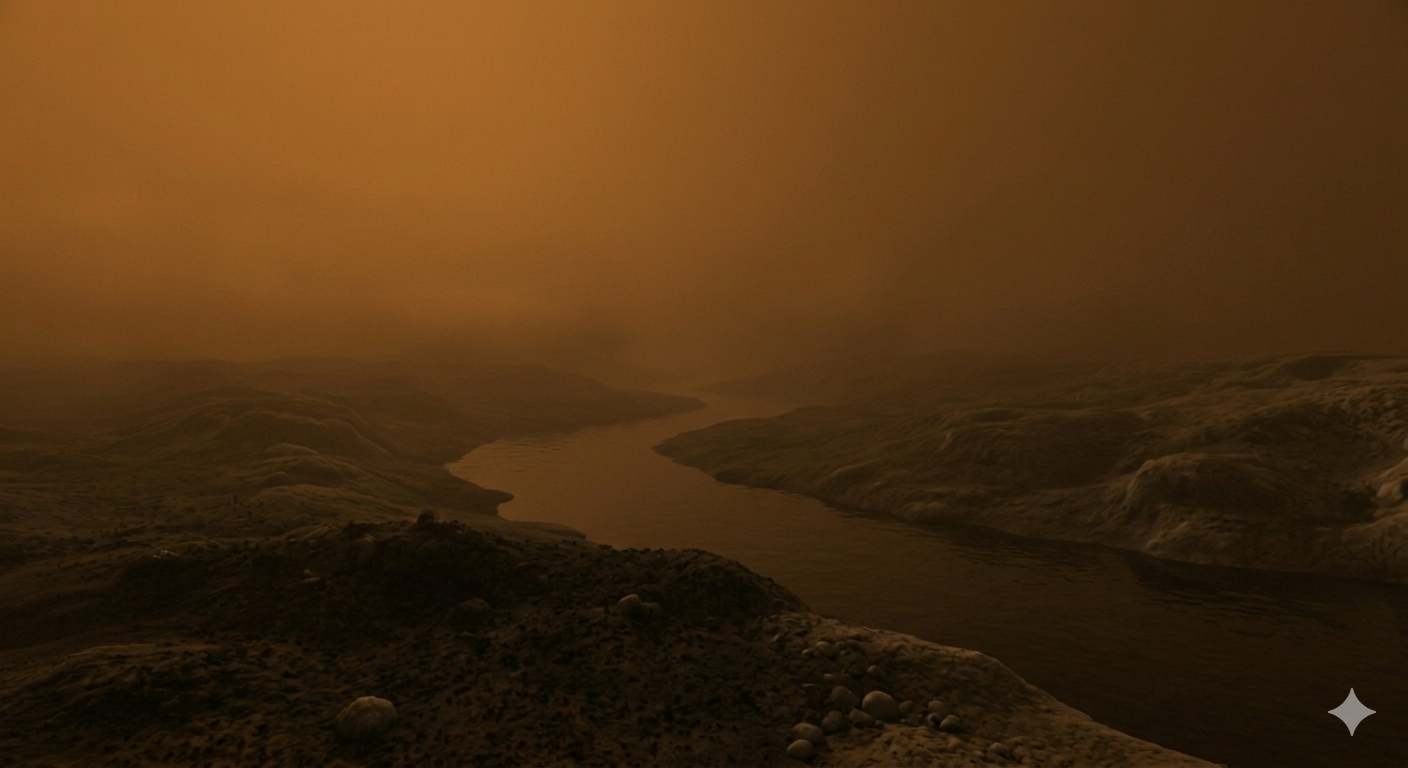
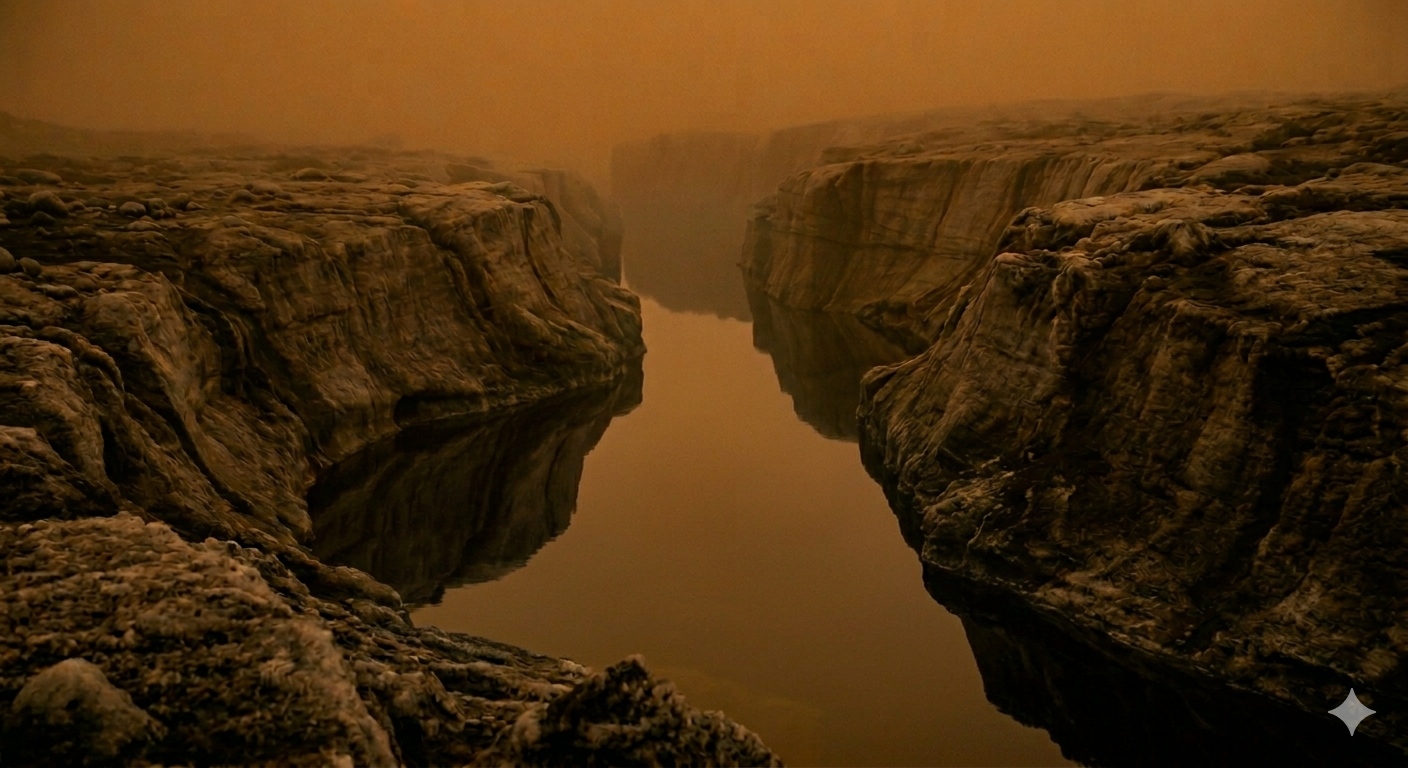
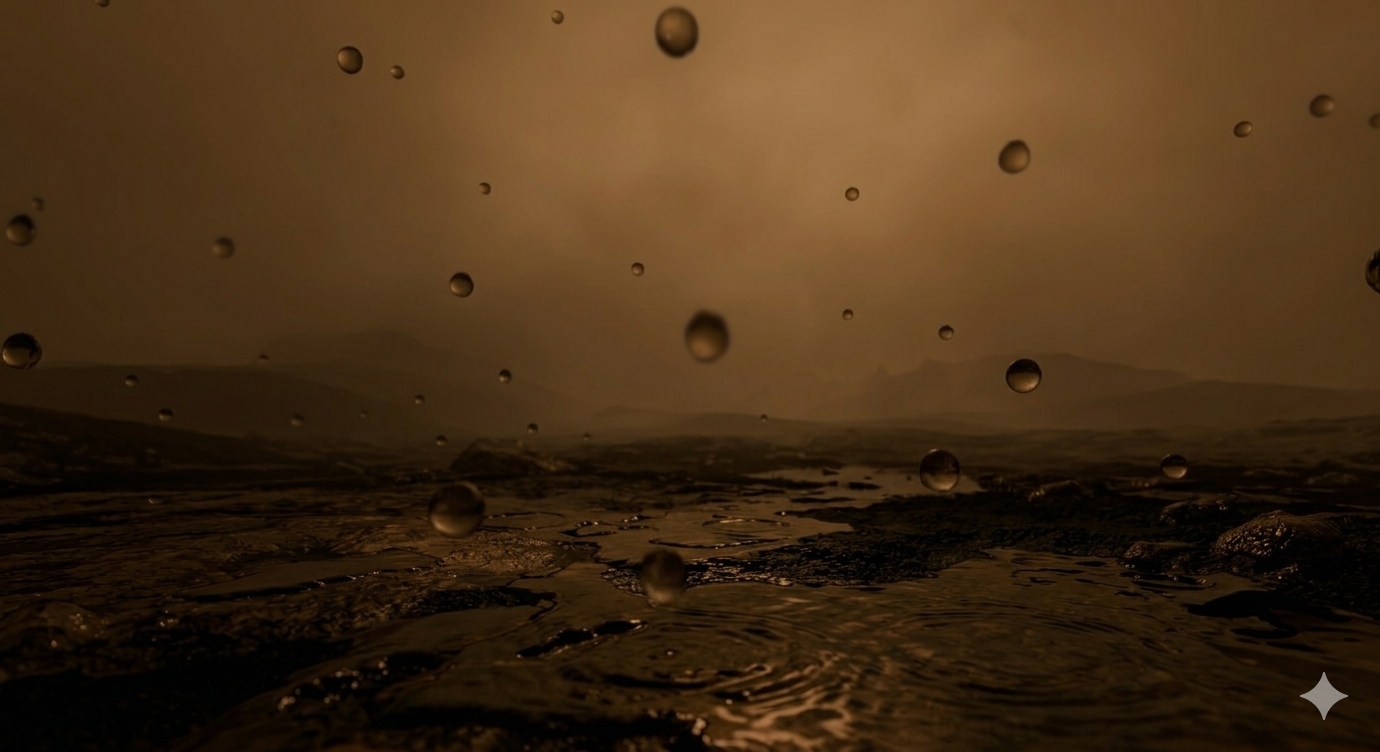
On Titan’s lakes, the winds are extremely weak and the currents are very slow; as a result, an eerie landscape likely stretches out where hardly any waves occur.

Methane Rivers
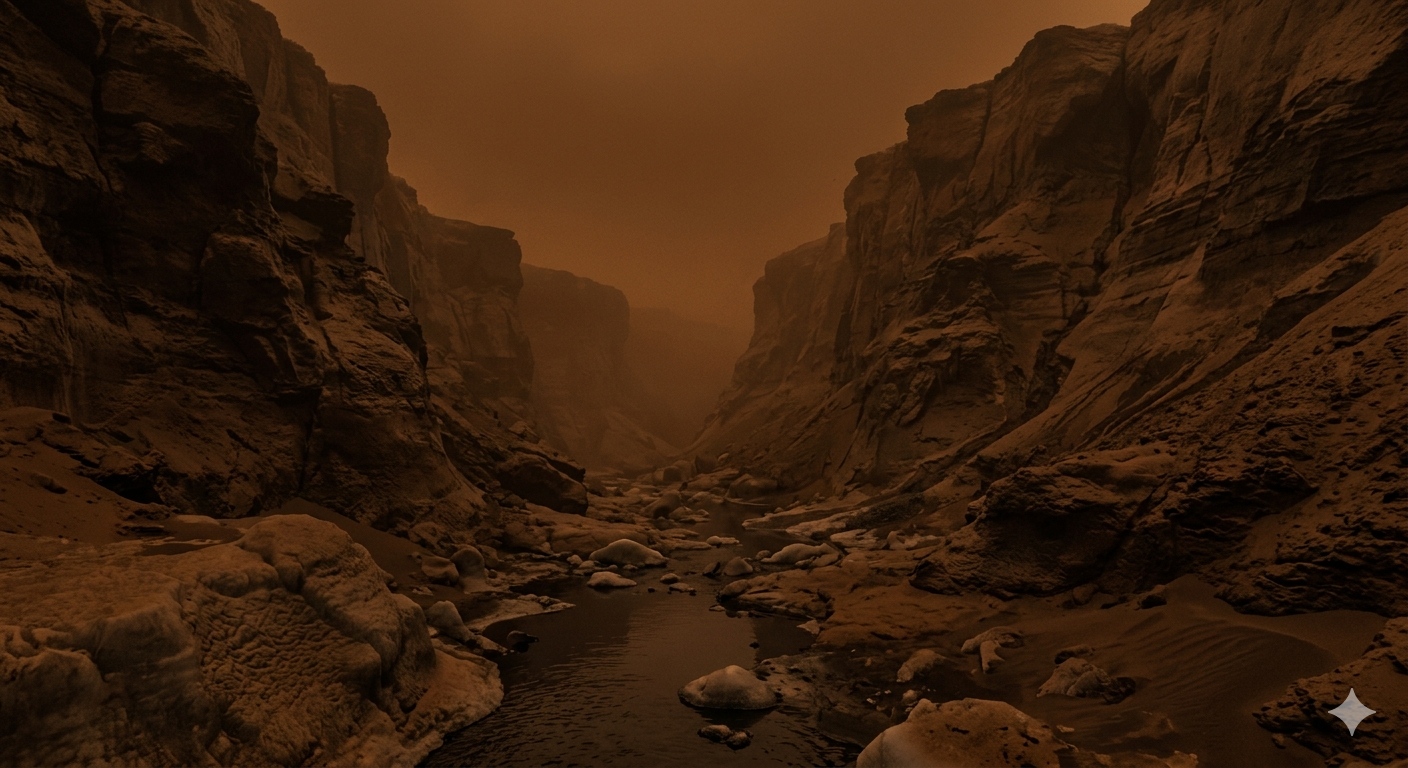
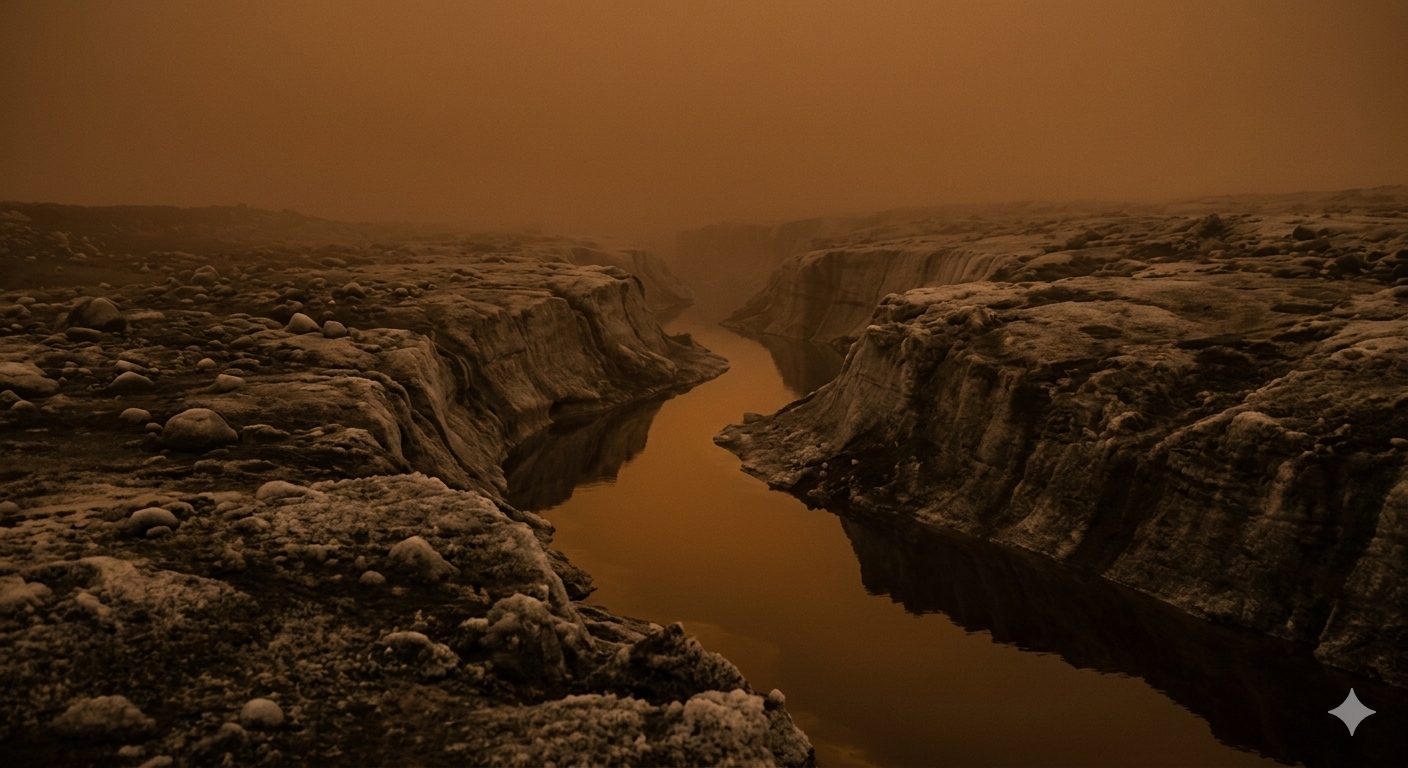
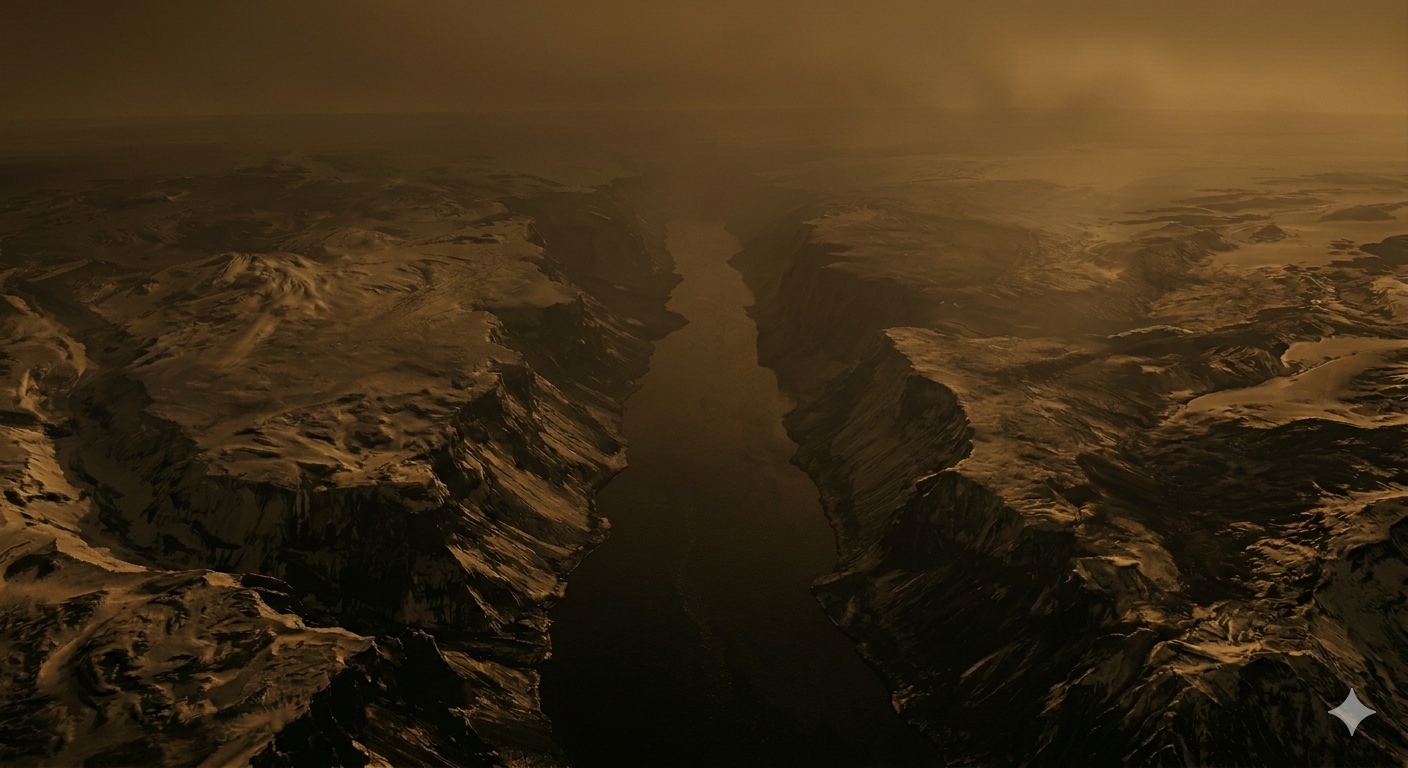
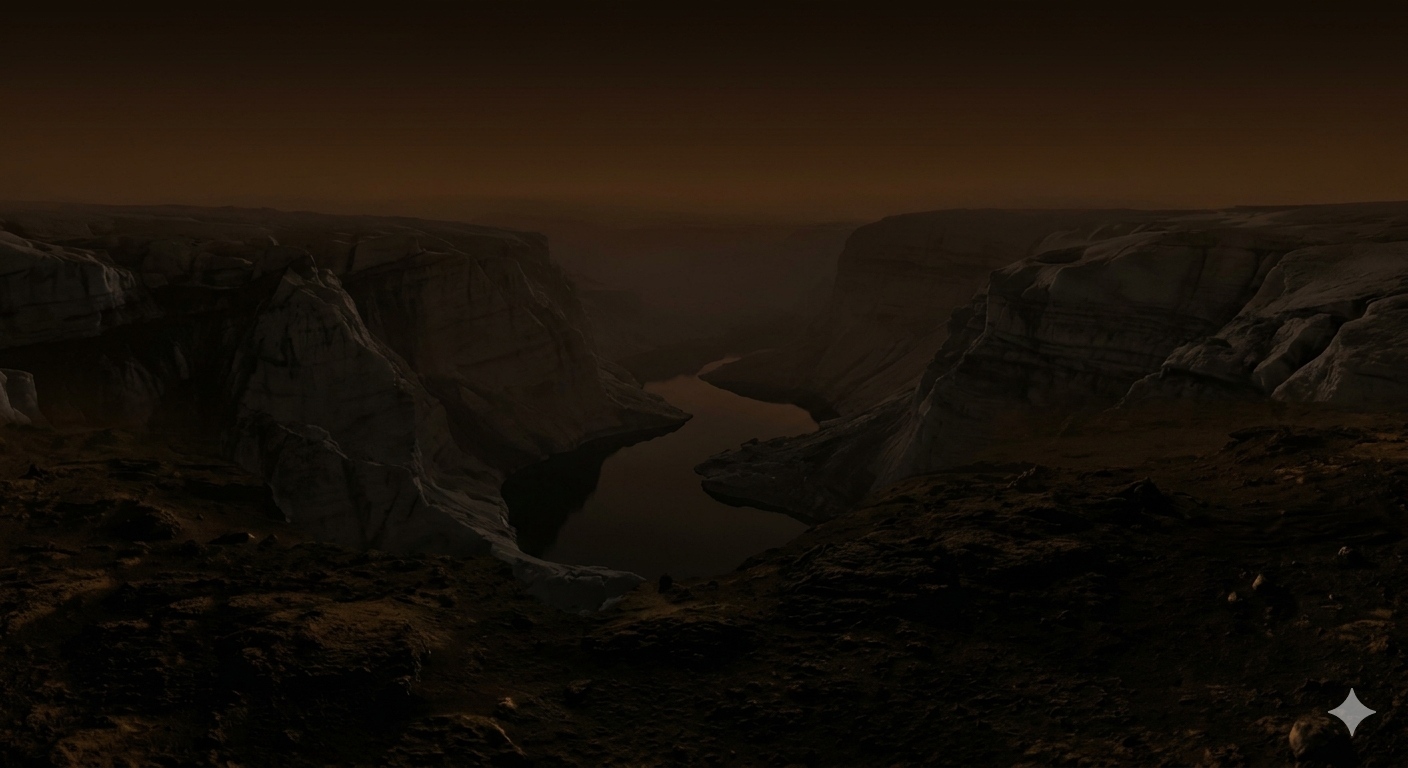
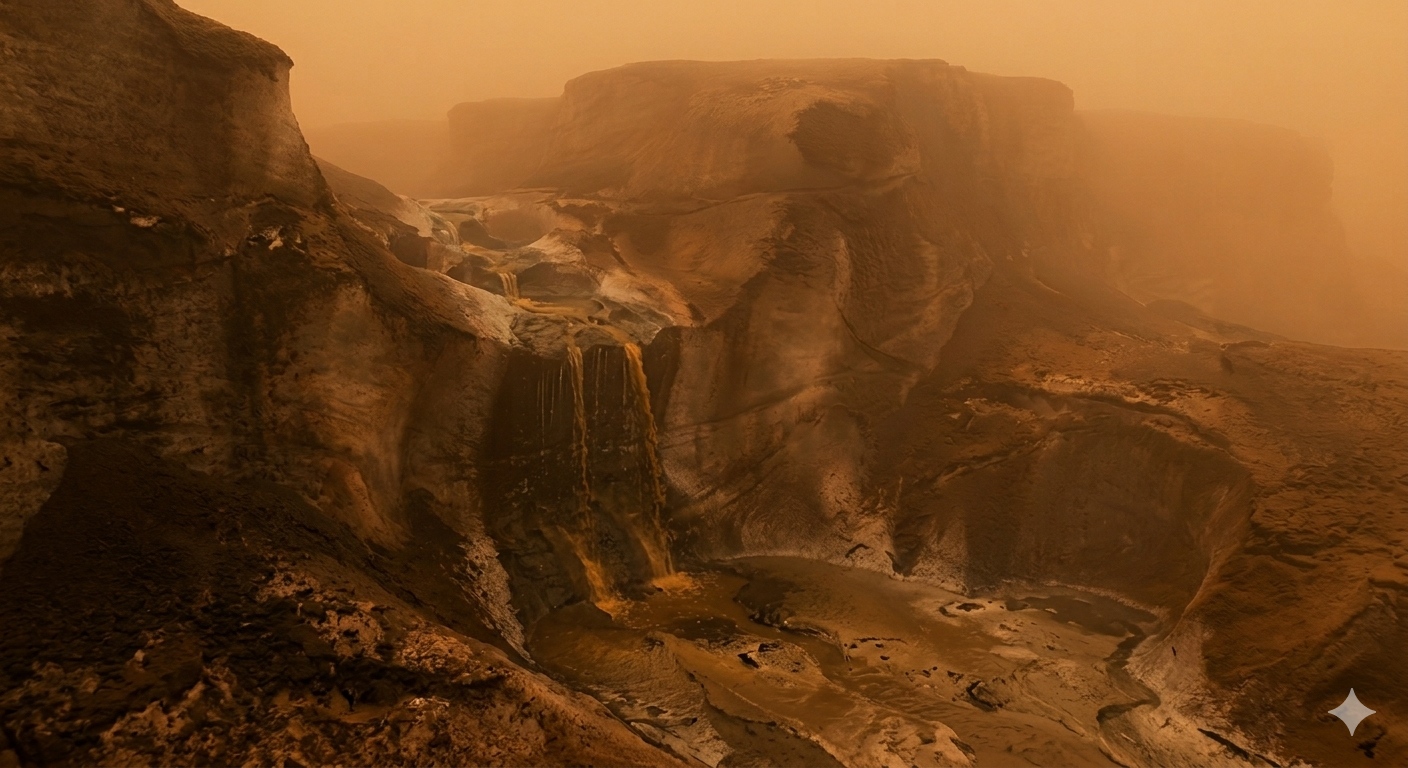
Methane rivers also exist near the lakes in the polar regions. Some large-scale rivers extending hundreds of kilometers have been confirmed; a prominent example is Vid Flumina, which reaches a total length of approximately 400 km. It has a maximum depth of 570 meters, and some sections possess geological structures similar to Earth’s fjords. The existence of small-scale streams has also been confirmed, including temporary rivers that appear briefly following methane rainfall.
Methane Rain
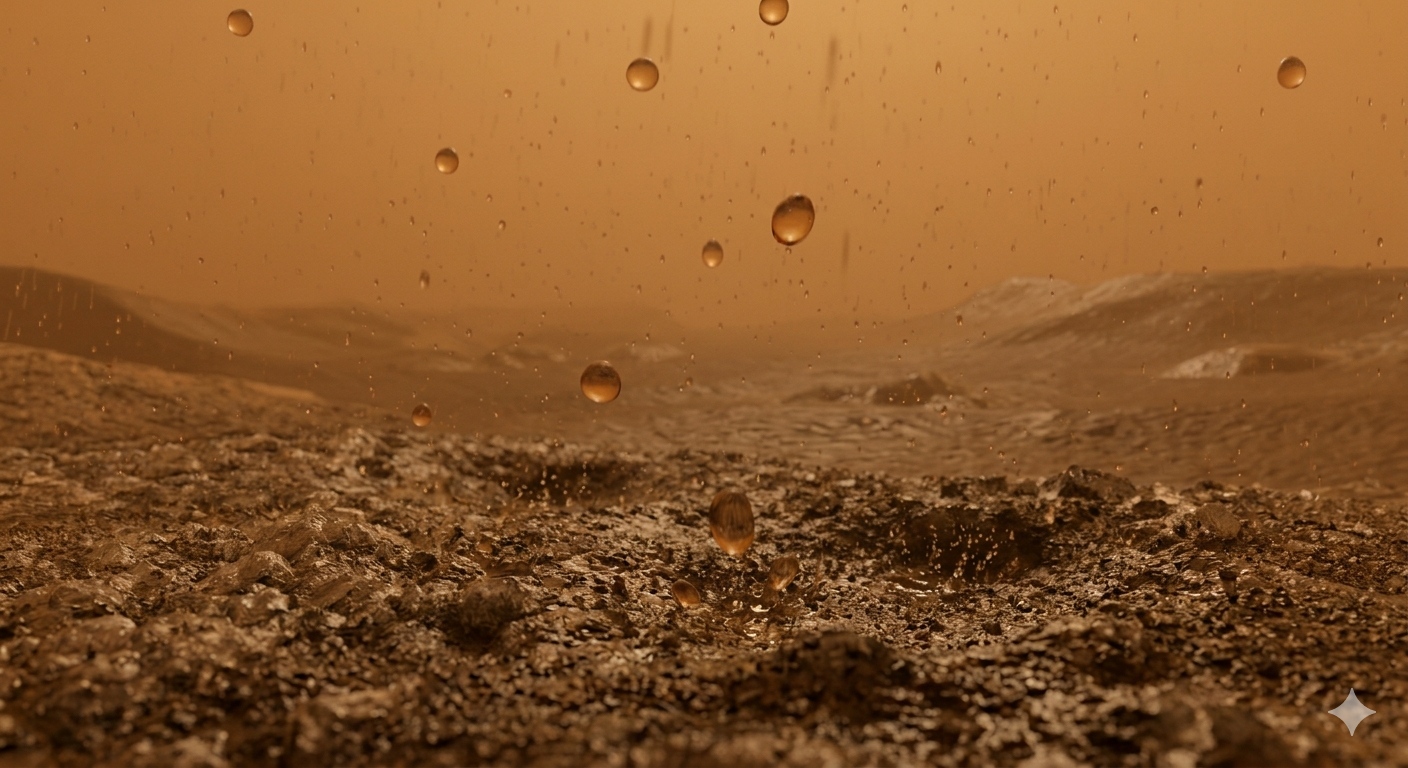
ain on Titan does not fall as frequently as it does on Earth; instead, it occurs at intervals of several years to decades when the right conditions are met. The rain is composed of methane (specifically, a mixture centered on methane). Due to Titan’s low gravity and high atmospheric pressure, methane raindrops tend to grow quite large and descend very slowly. Additionally, torrential downpours heavy enough to reshape the terrain can occur, which have formed the river-like geological features seen across the moon.
Dunes
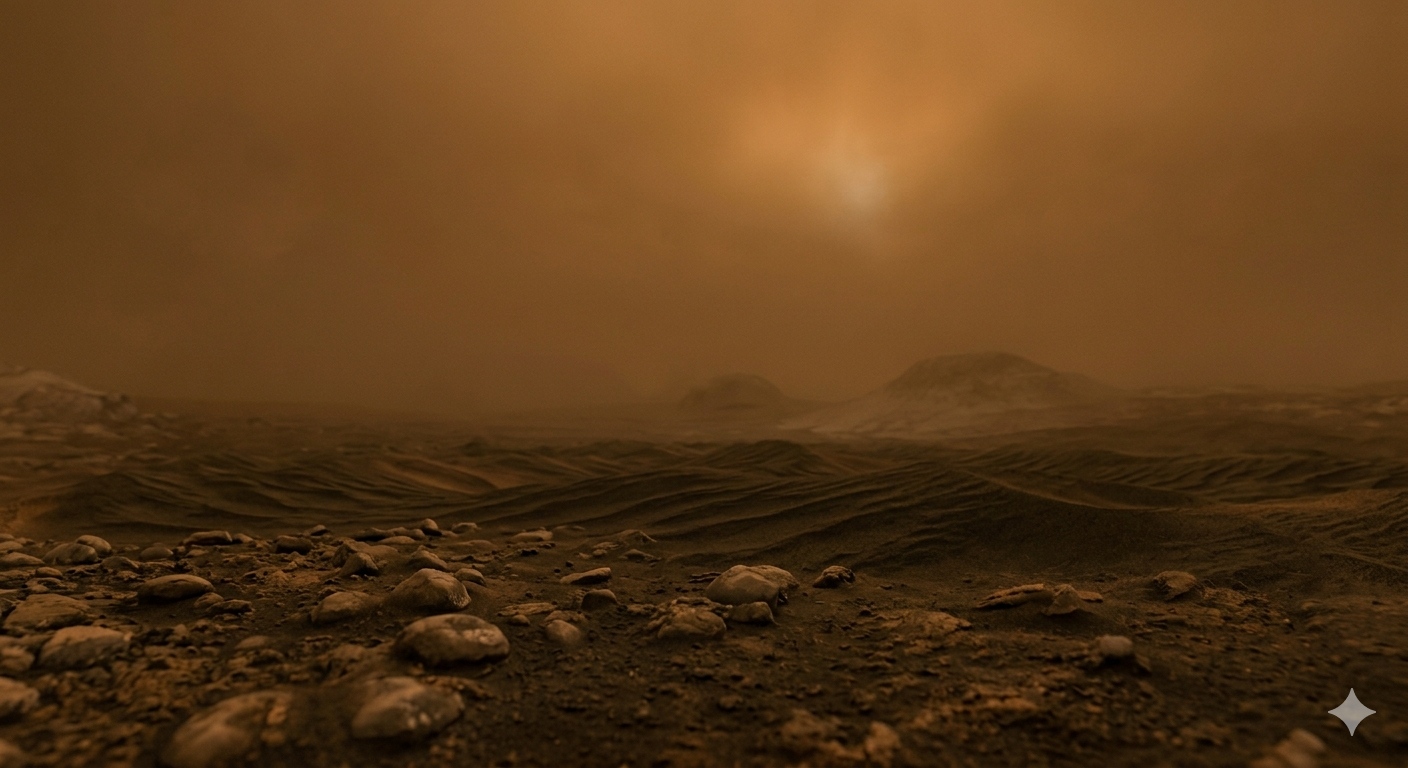
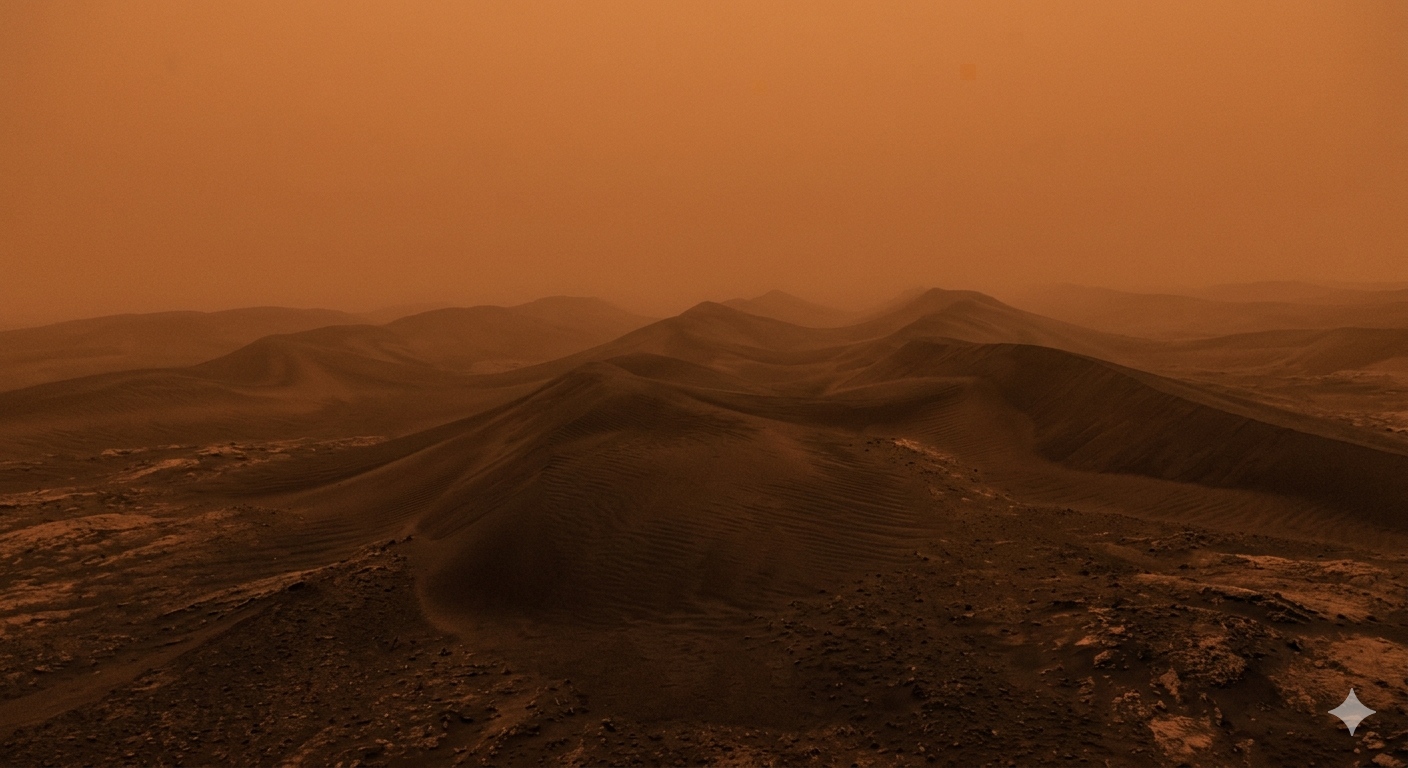
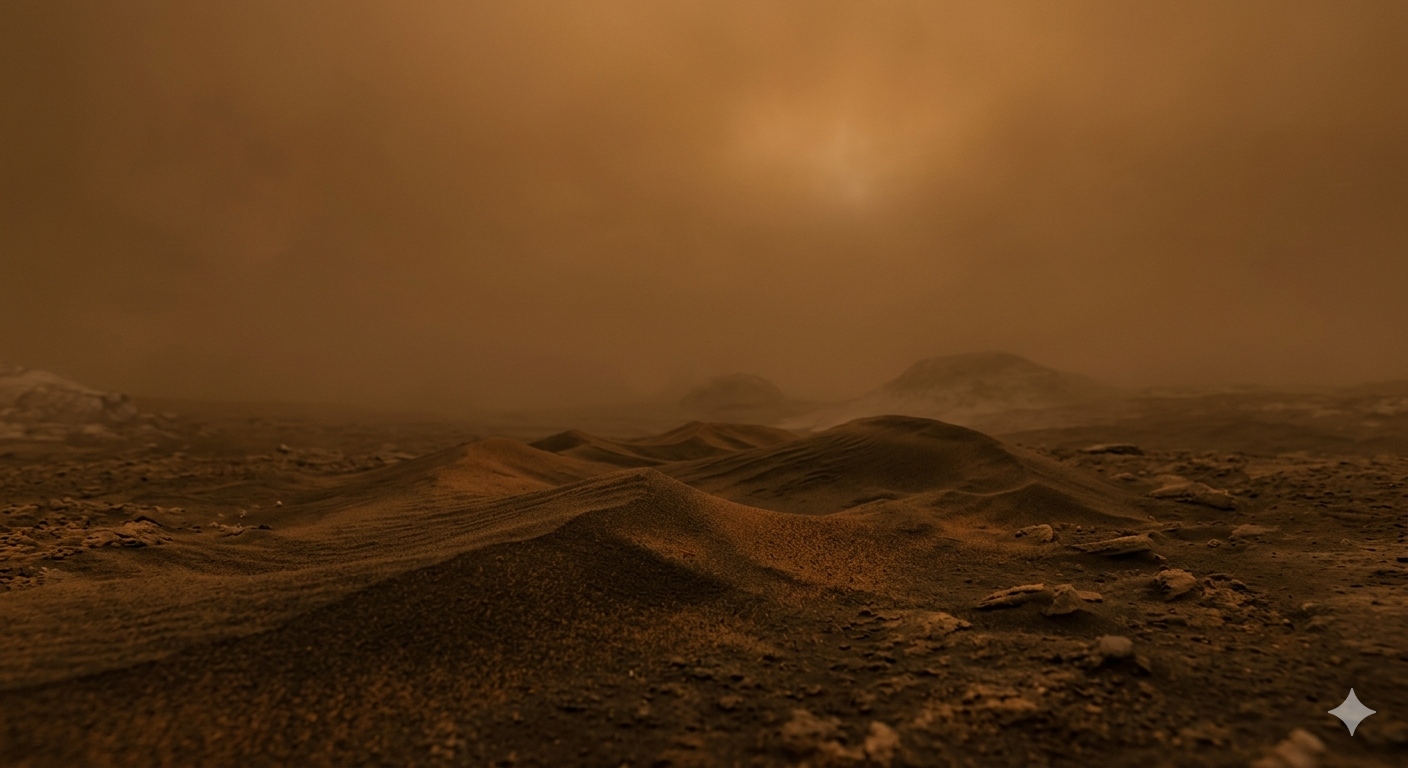
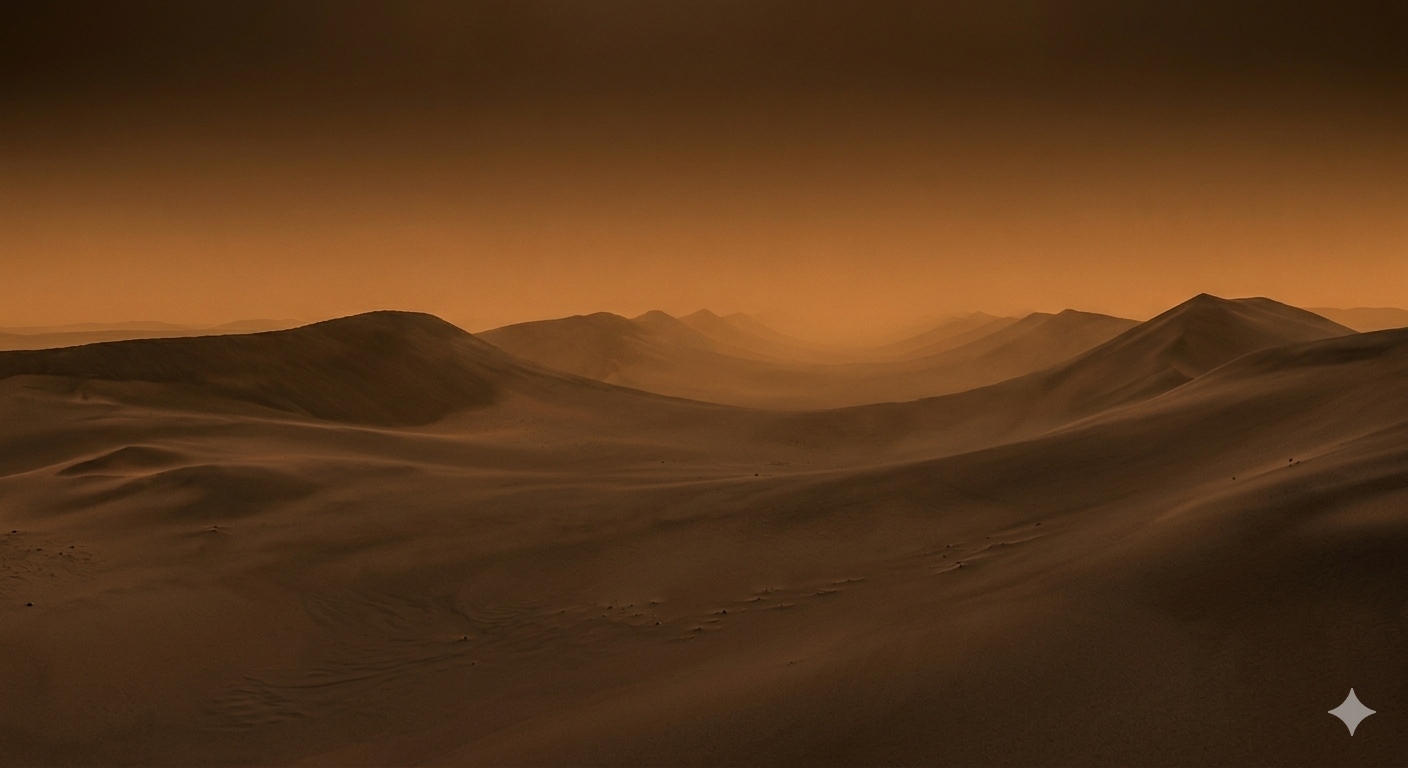
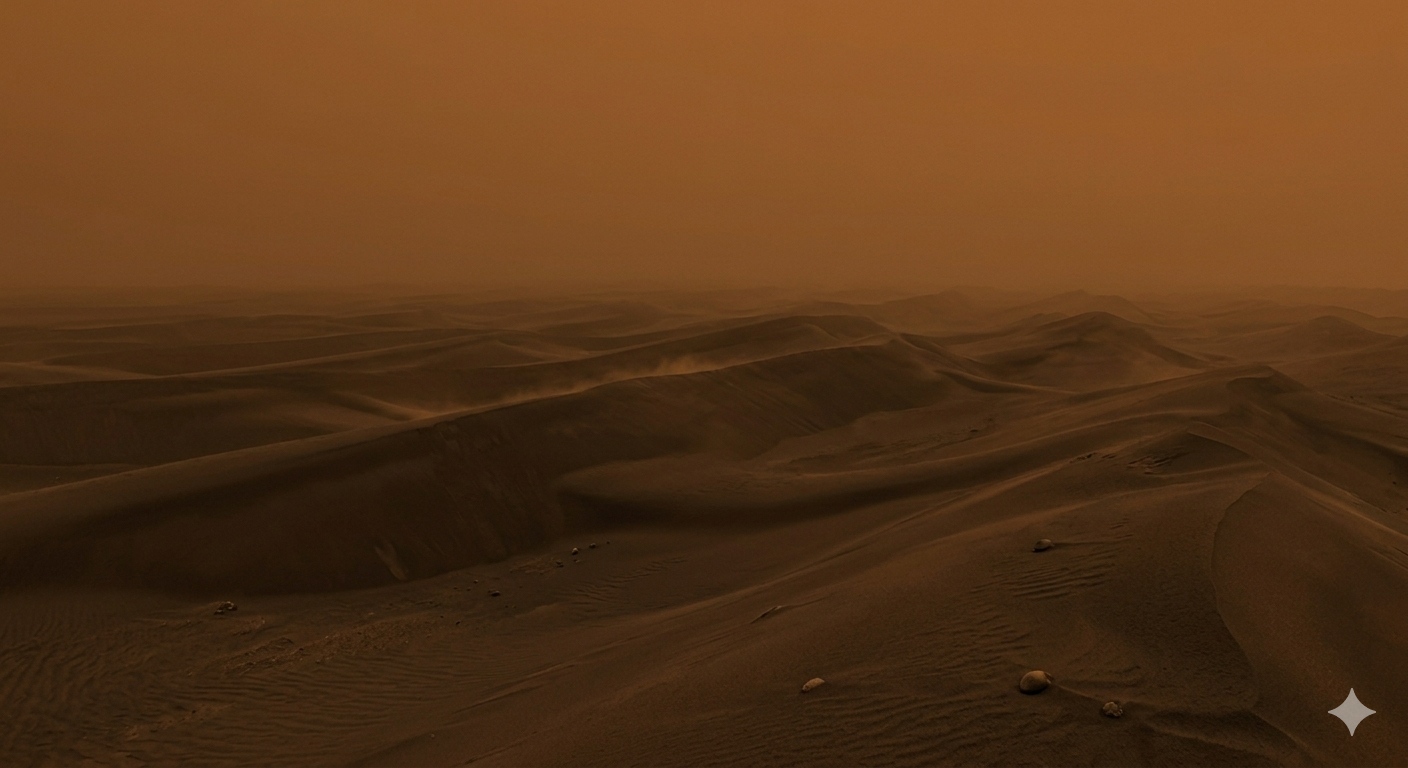
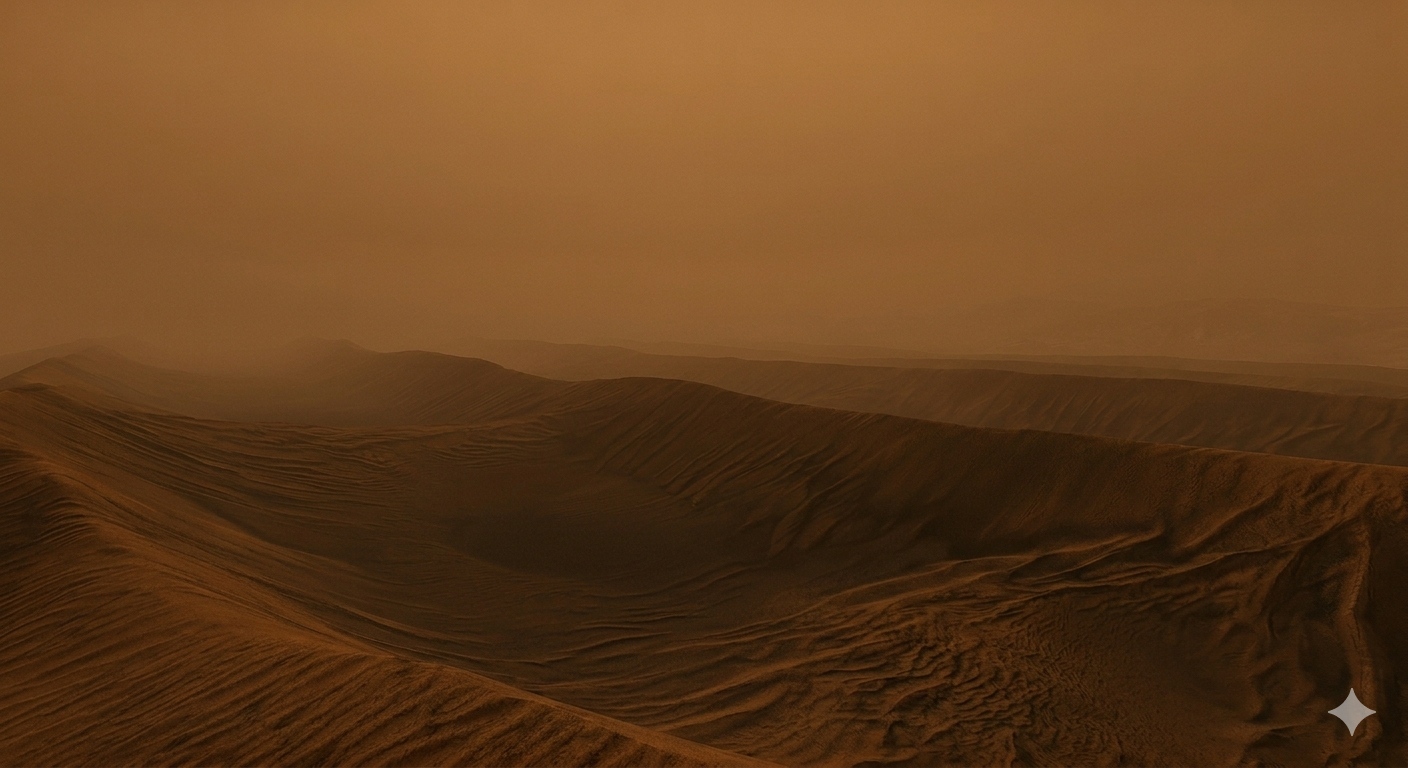
Vast dune fields have formed around the equatorial regions, where tholins falling from the atmosphere have accumulated over time. Their scale is overwhelming – expansive enough to swallow the entire Sahara Desert on Earth. These areas feature “linear dunes” that stand over 100 meters high and stretch in parallel for hundreds of kilometers while maintaining consistent spacing.
Labyrinths
On Titan, complex, intricate networks of valleys and web-like formations known as “labyrinths” have been confirmed. As the name suggests, they form landscapes that resemble vast, confusing mazes. Located primarily in high-latitude regions, these complex terrains are believed to have been carved out as liquid methane eroded the surface of the moon, which is composed of water ice.
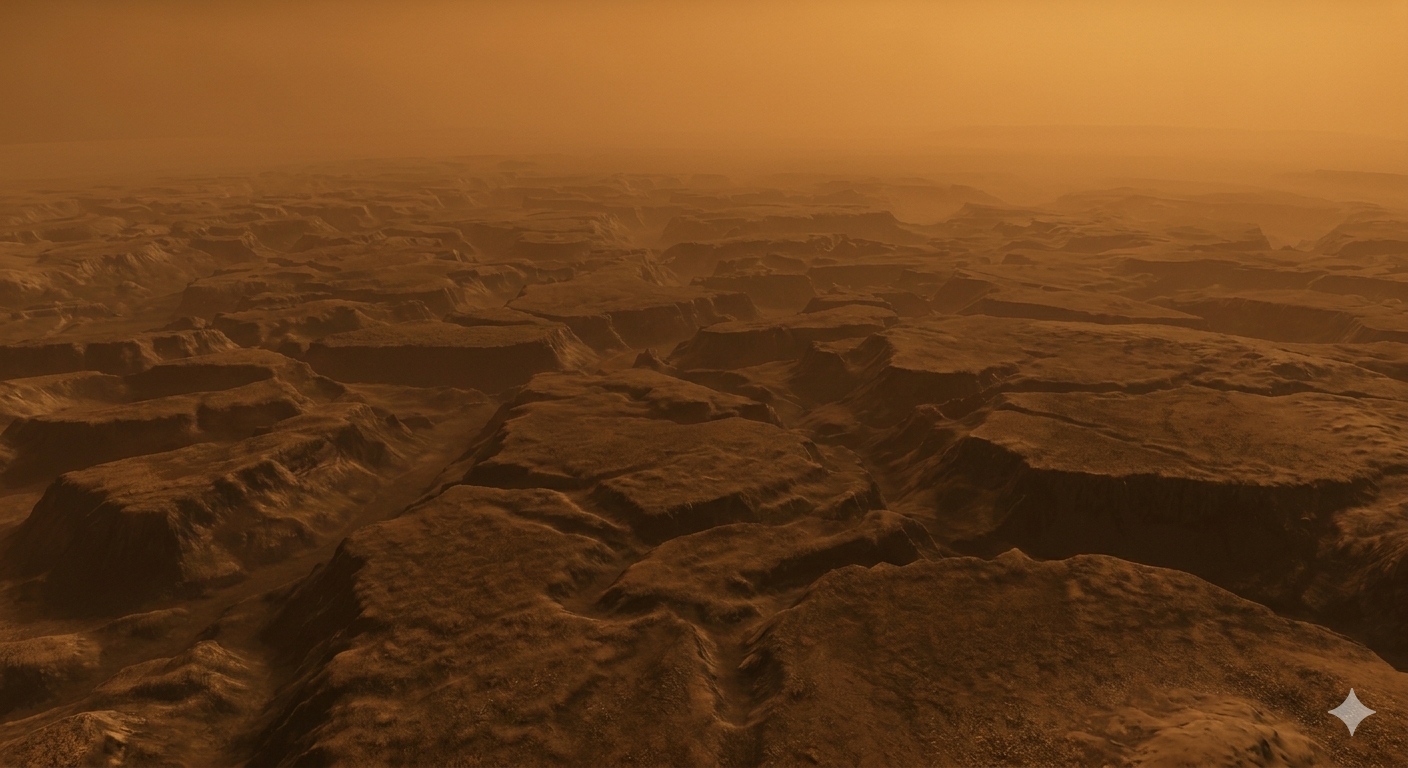
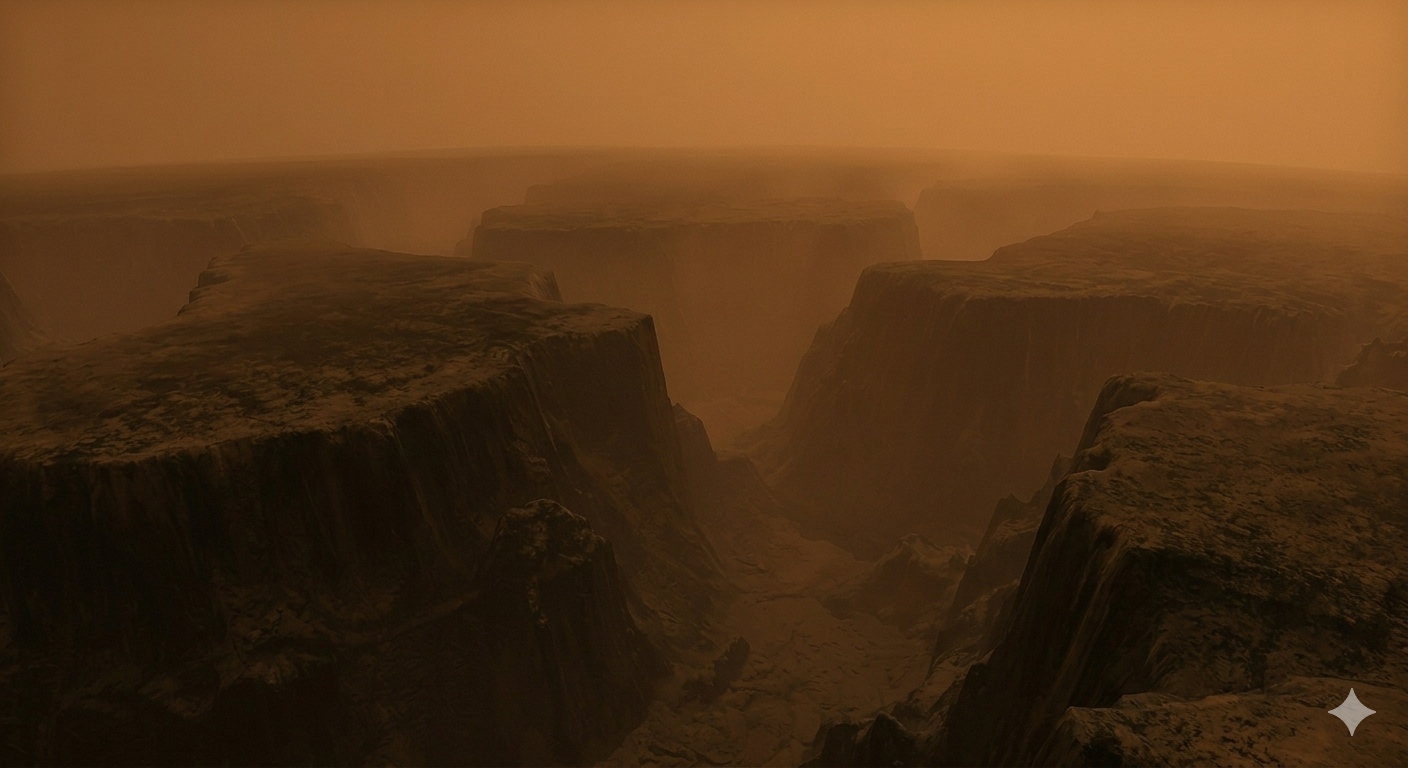
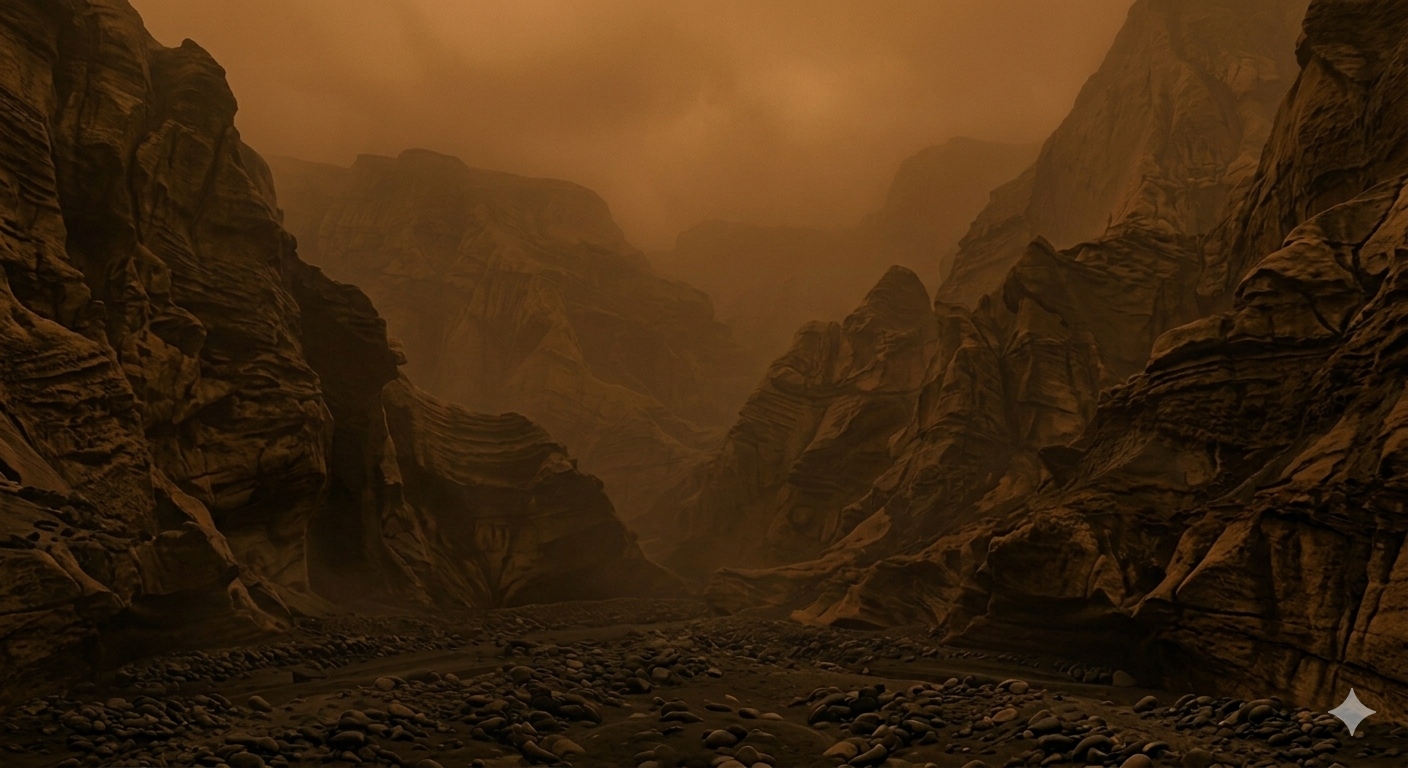
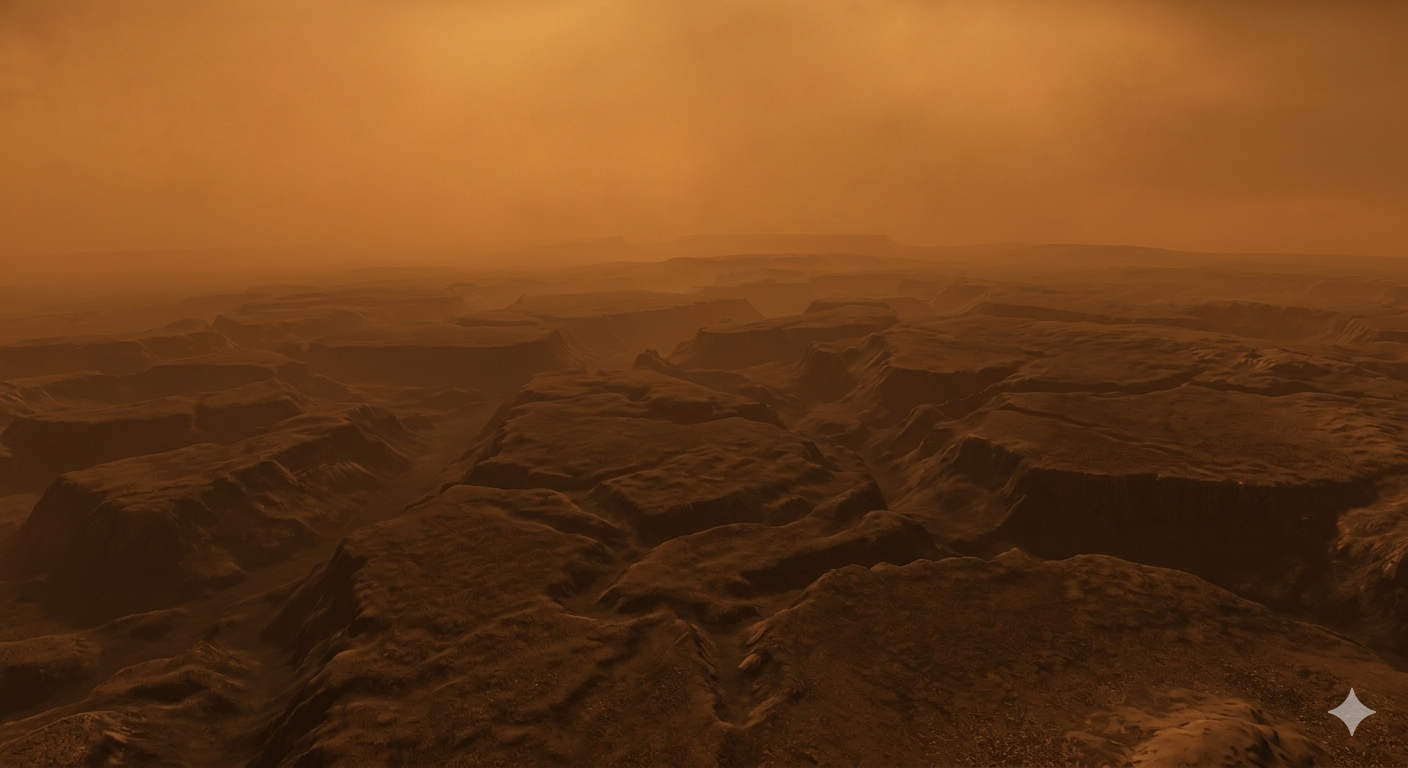
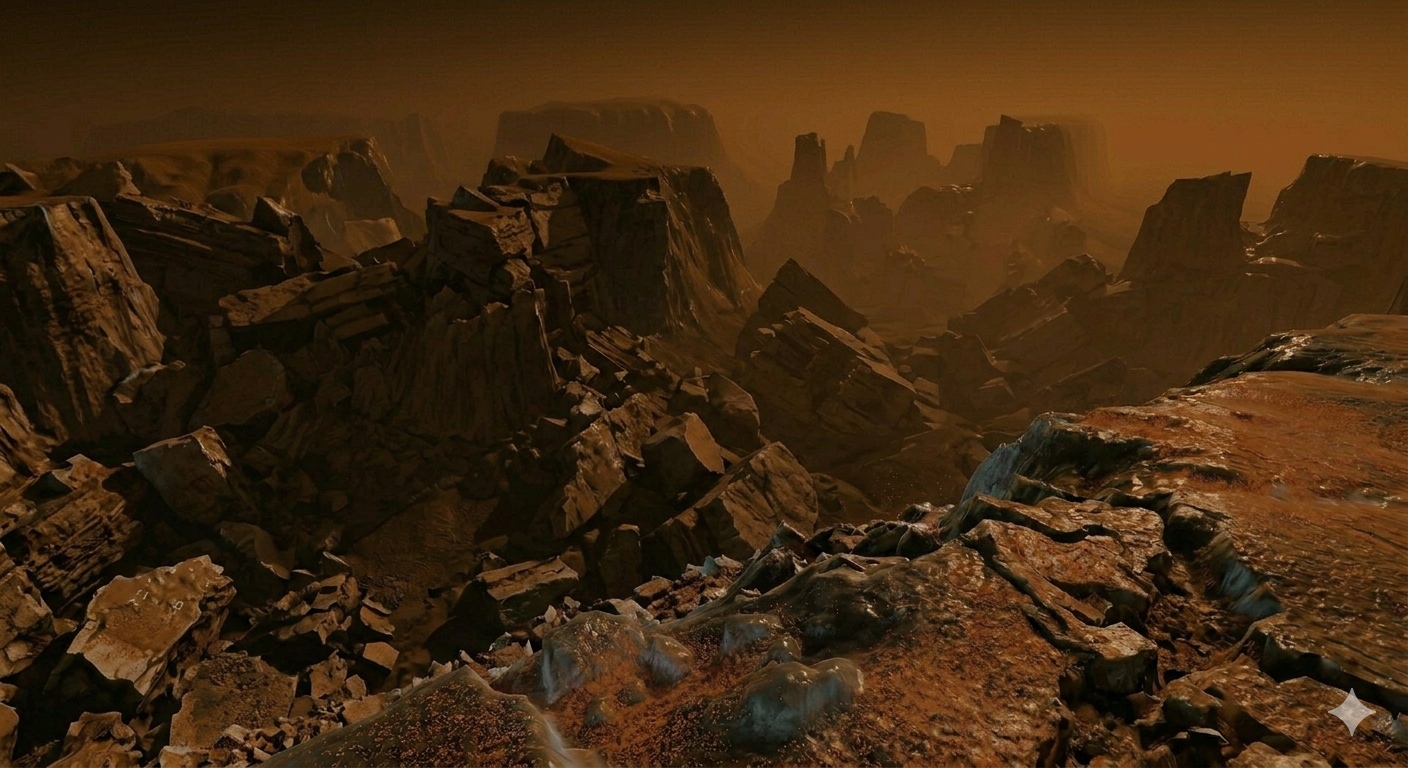
Cliffs and Mountain Ranges
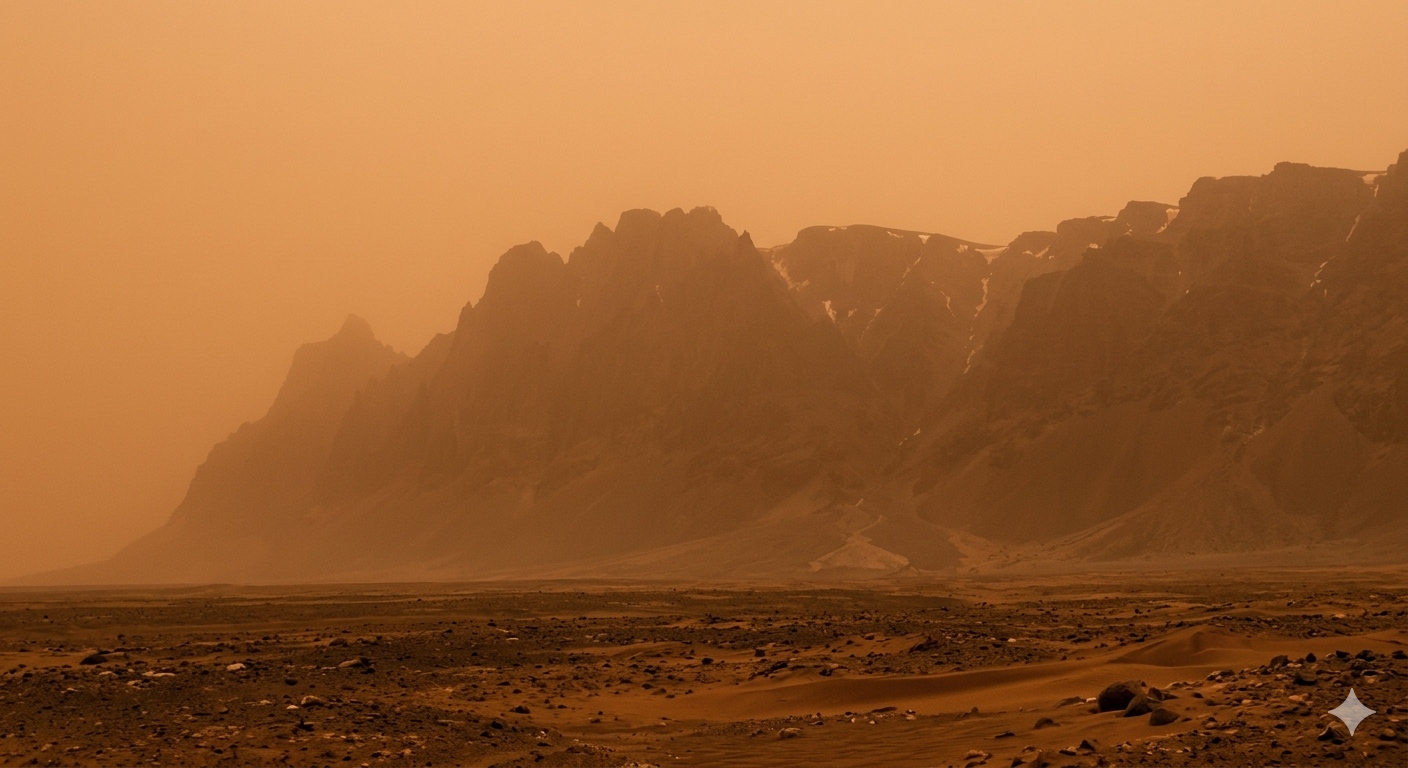
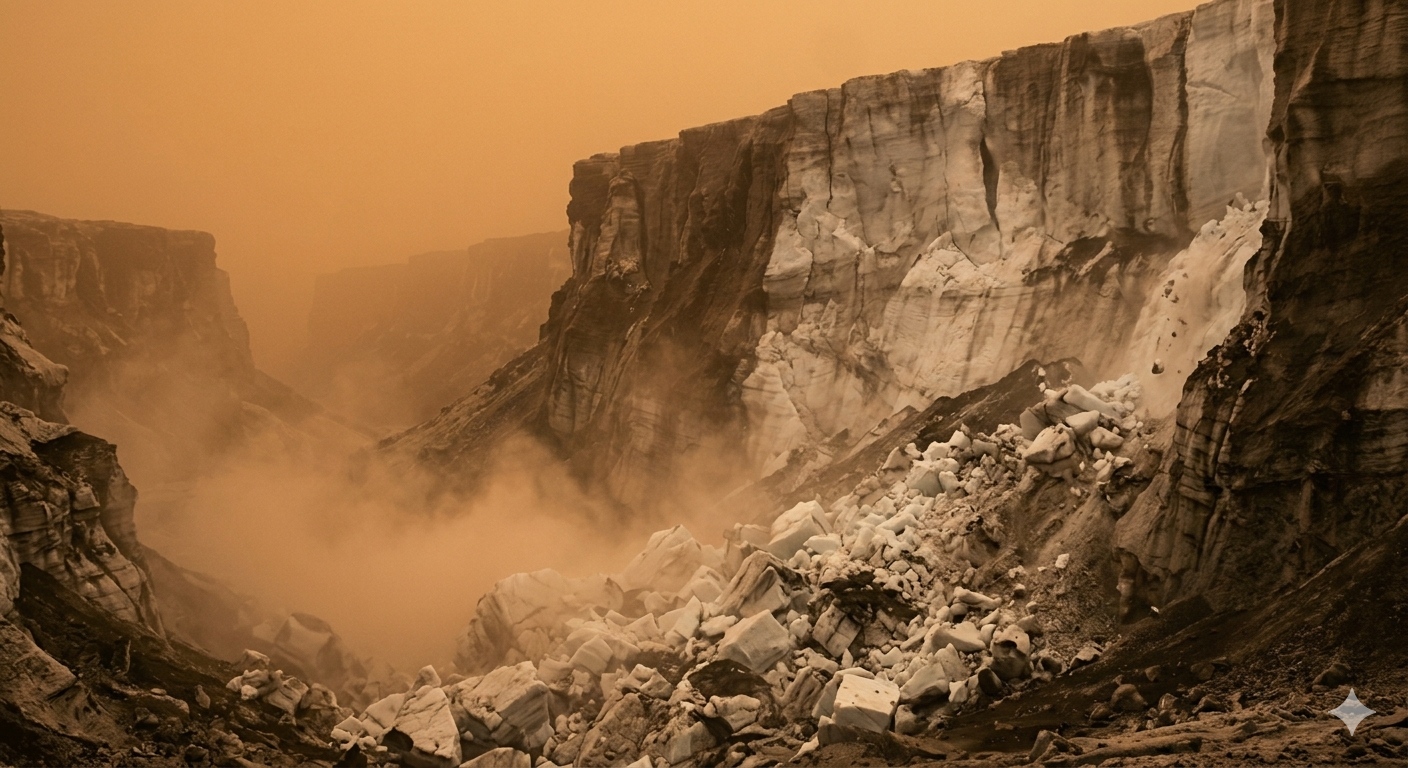
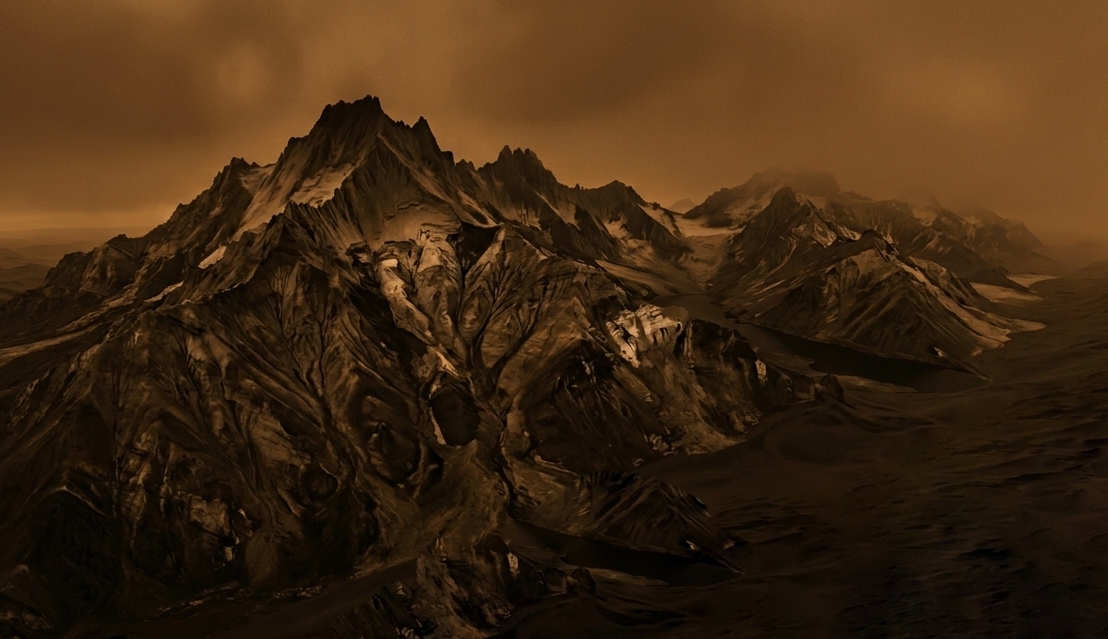
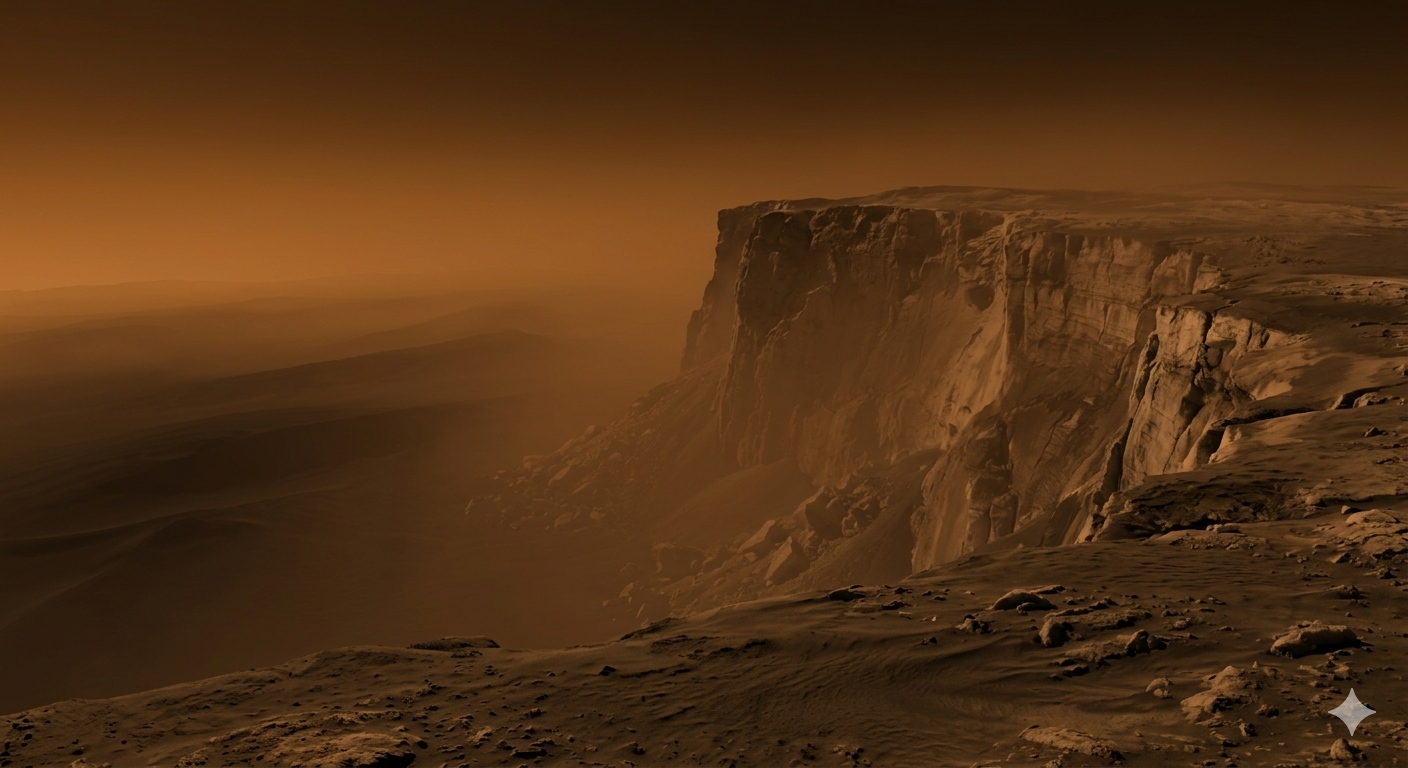
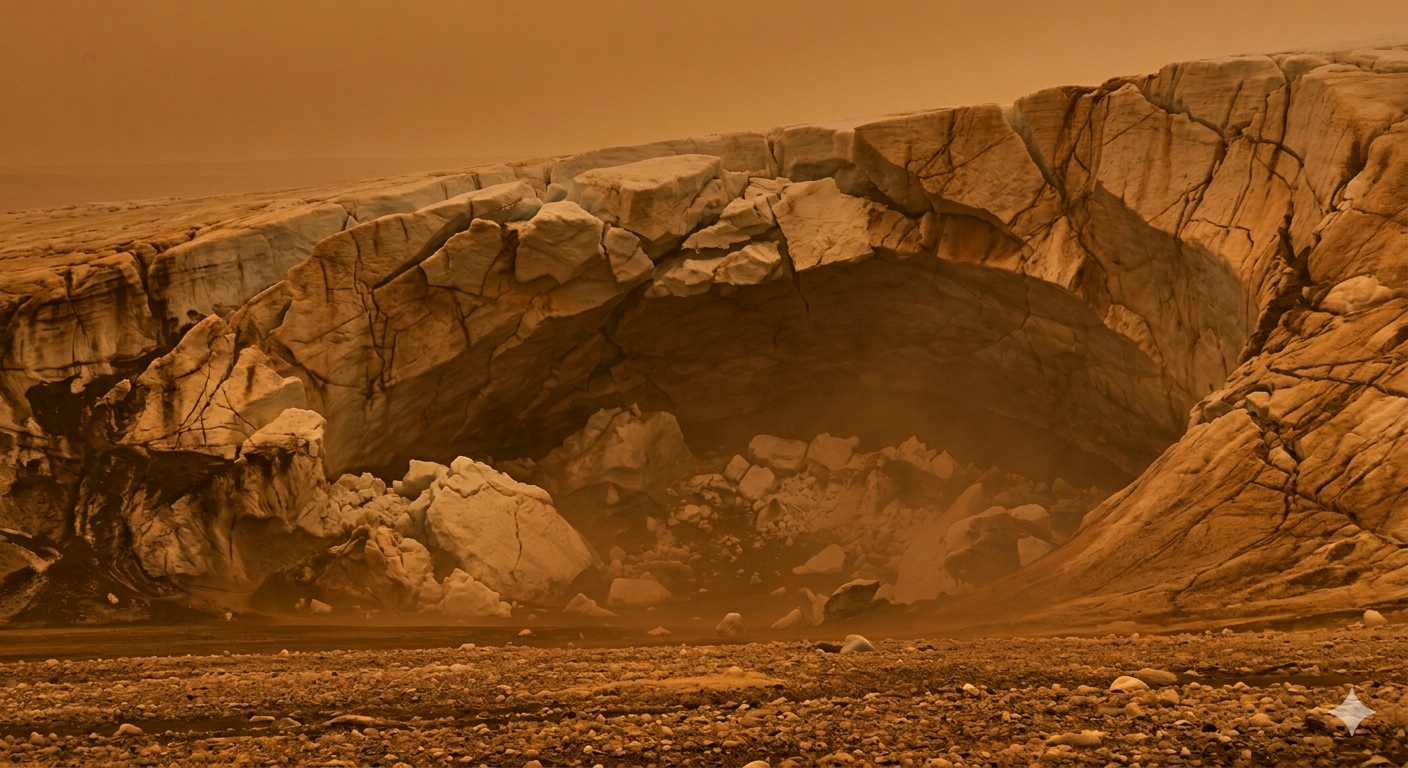
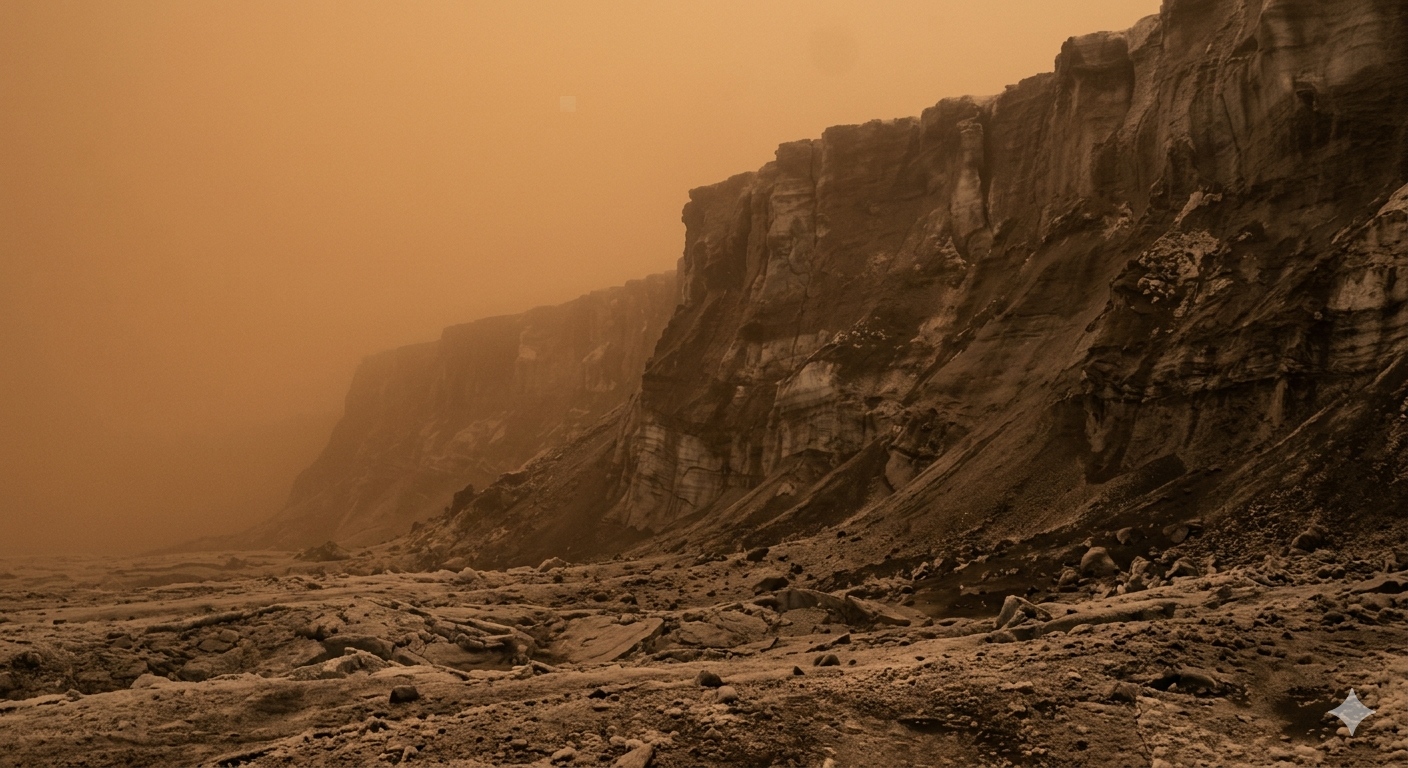
Titan’s surface does not consist of silicate rocks like Earth; instead, it is covered by rocks made of water ice. While ice is naturally whitish in color, the surface of Titan is stained a brownish-orange because of the massive amounts of tholins constantly falling from the atmosphere.
Furthermore, although Titan lacks the plate tectonics found on Earth, its terrain is shaped by geological activity driven by tidal forces from Saturn, as well as by methane rain and wind. Because of the low gravity and the icy composition of the “bedrock,” Titan has formed a unique landscape that is strikingly similar yet fundamentally different from that of Earth.
Craters
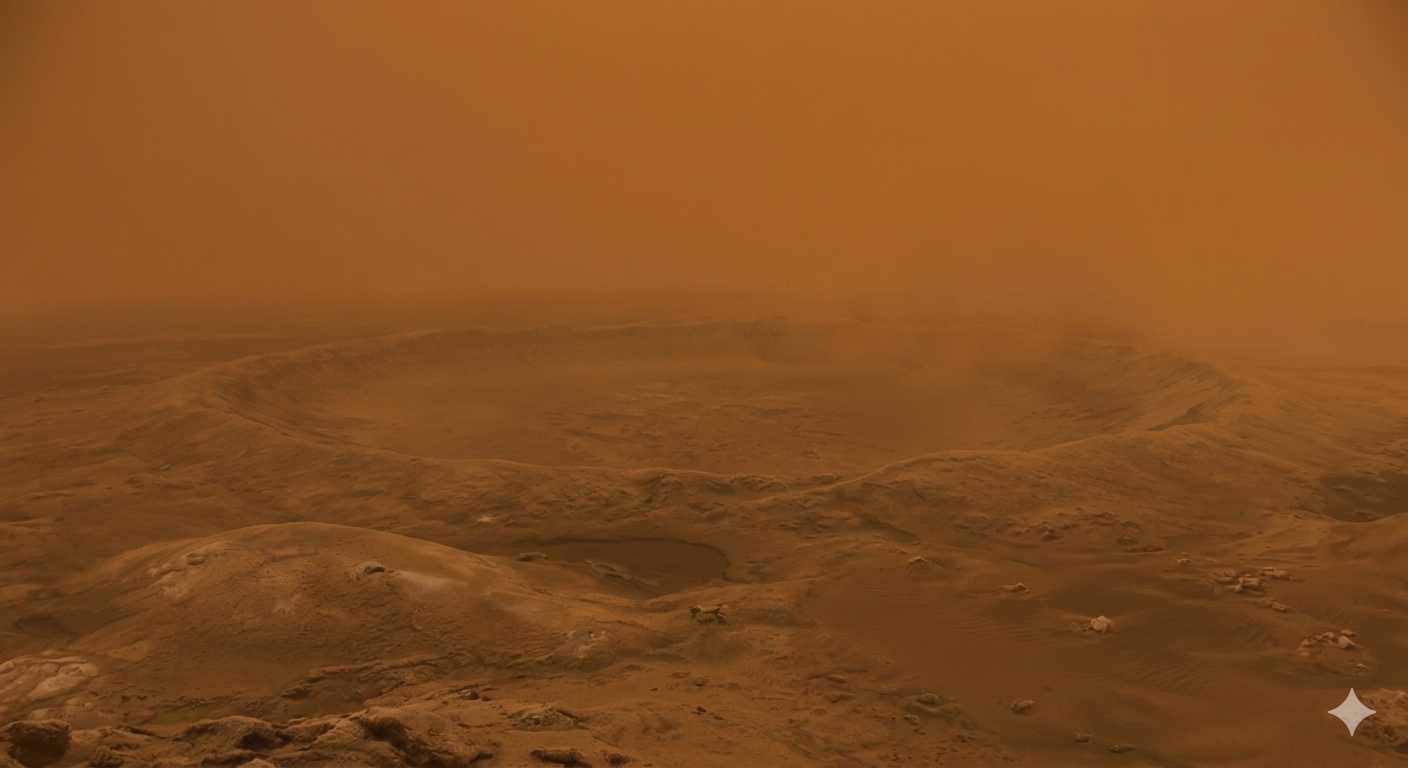
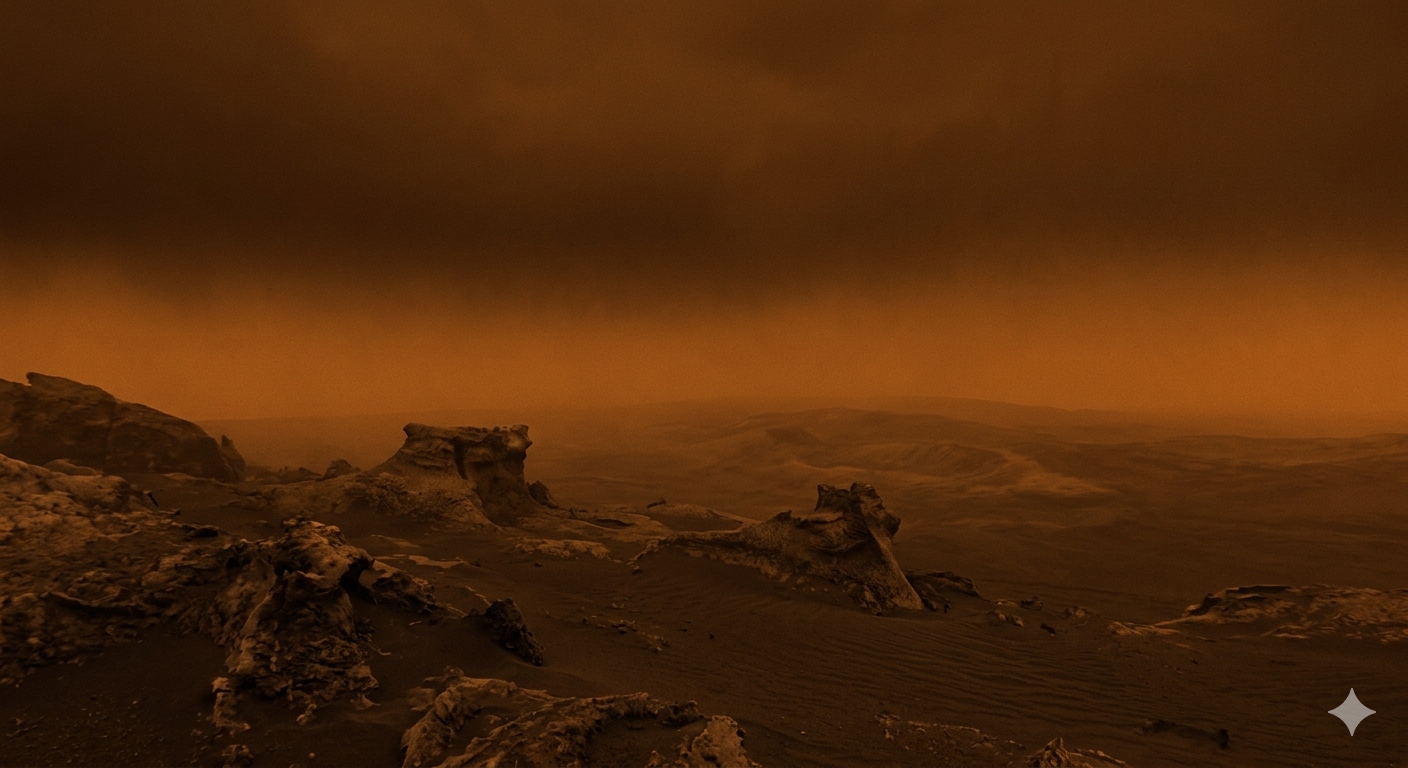
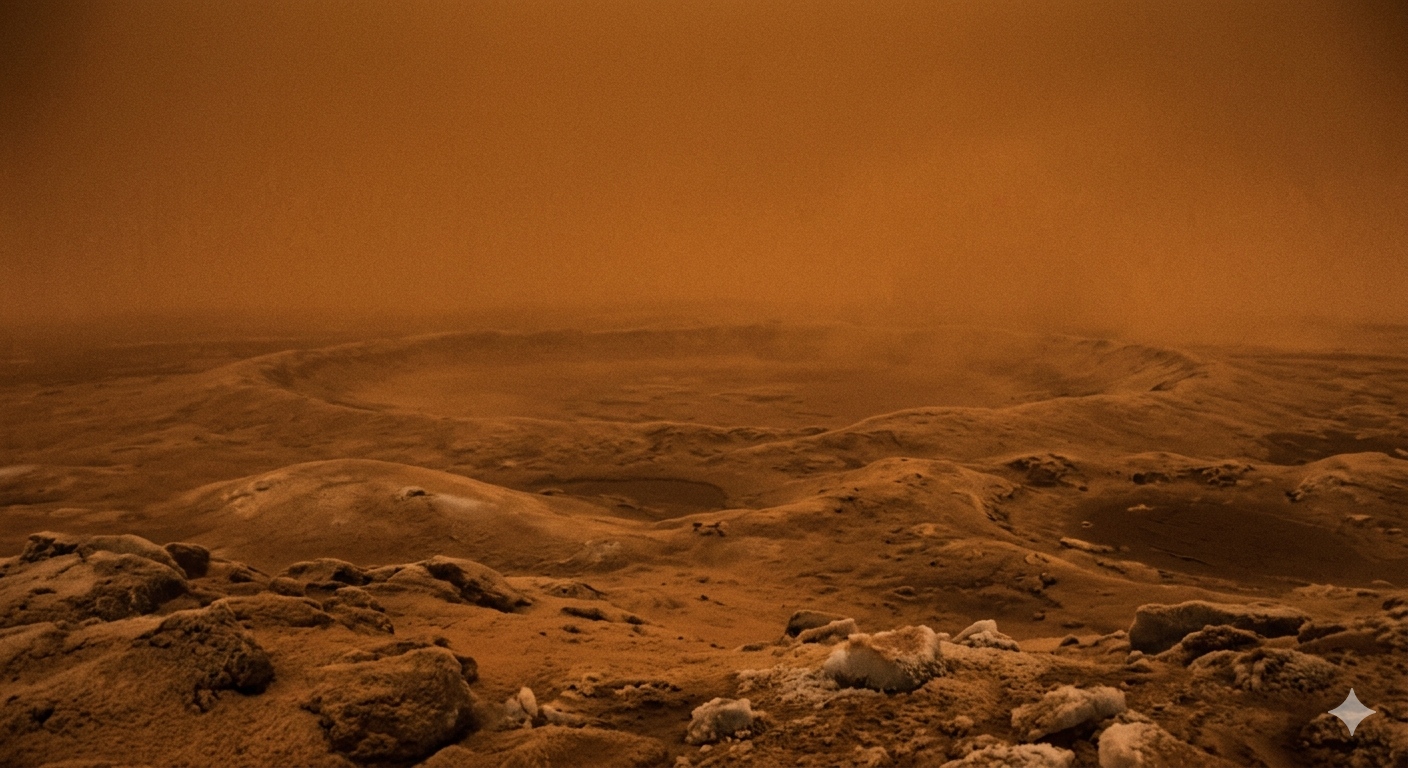
Compared to other moons in the solar system, Titan has remarkably few craters. This is believed to be because its thick atmosphere causes most meteors to burn up before impact, and any craters that do form are eventually reshaped or erased by erosion from liquid methane and ongoing geological activity.
In stark contrast, the Moon lacks both an atmosphere and geological activity, allowing craters from the distant past to remain preserved on its surface indefinitely.
Volcanoes
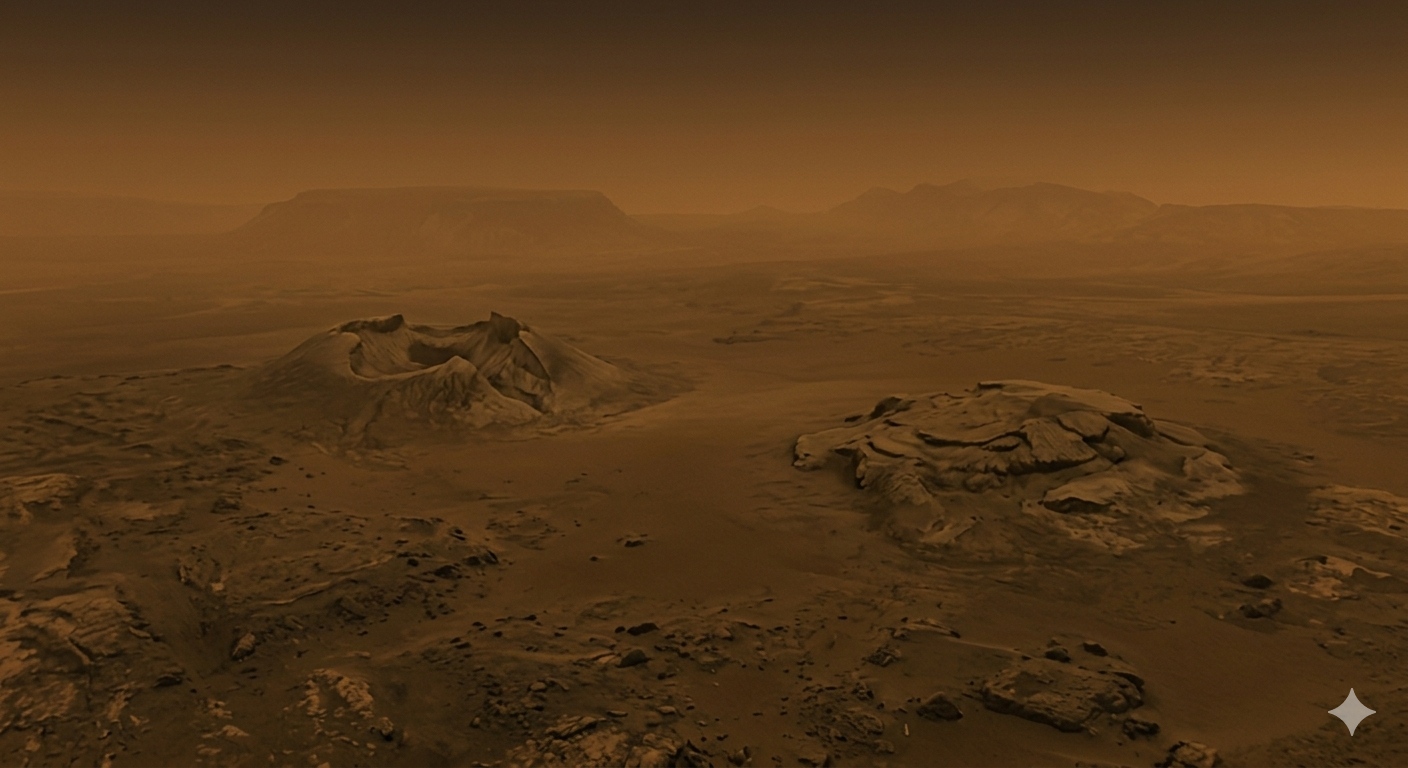
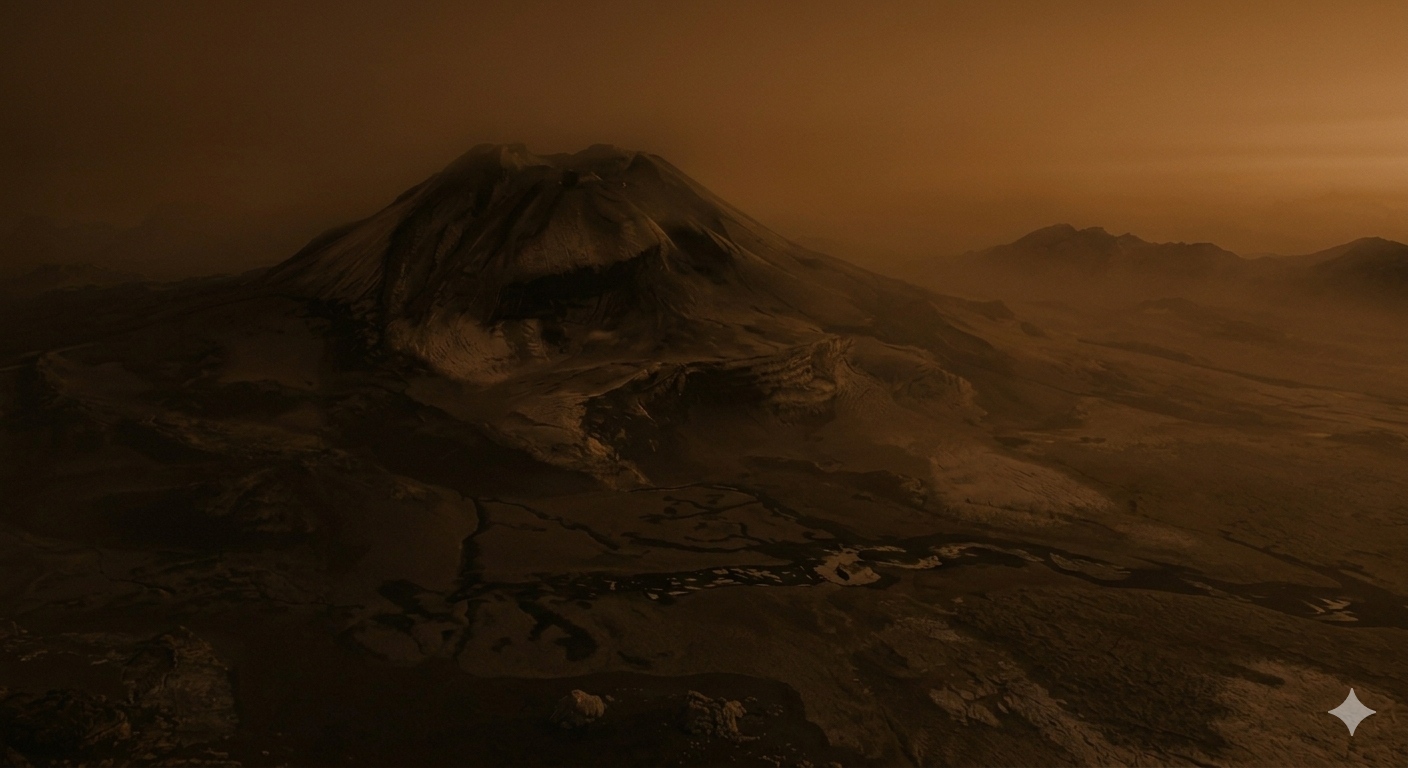
On Titan, geological formations shaped like volcanoes have been identified. While they are not currently active, the prevailing theory classifies them as “volcanoes” based on their crater-like features. It is possible that these volcanic vents once erupted slushy water (a mixture of water, ammonia, and other substances) derived from melted icy bedrock.
In a world at -180°C, “liquid water” acts as a high-temperature substance equivalent to molten lava on Earth. Furthermore, it is proposed that liquid water (effectively Titan’s “magma”) exists deep underground, suggesting the possibility of a massive subsurface ocean.
Dragonfly Mission
The Dragonfly Mission is an upcoming exploration mission led by NASA, currently in preparation to study Titan in unprecedented detail. This ambitious mission involves deploying a drone-like rotorcraft lander to Titan to investigate its terrain and atmosphere from the air. The mission is scheduled to launch in 2028, with an expected arrival at Titan in 2034.
As scientific instrument performance has improved significantly since the Cassini-Huygens mission (launched in 1997), there are high expectations that this mission will uncover groundbreaking new facts about Titan. Dragonfly Official Website (NASA)
Titan Data
| Item | Value | Notes |
|---|---|---|
| Diameter | 5150 km | Earth’s Moon: 3474 km Mercury: 4879 km Mars: 6779 km |
| Surface Gravity | 0.138G (approx. 1/7 of Earth) | Earth’s Moon: 0.165G (approx. 1/6 of Earth) Mercury: 0.38 G Mars: 0.38G |
| Mass ( ) | 13.5 | Earth’s Moon: 7.4 Mercury: 33.0 Mars: 64.2 |
| Distance to Horizon | Approx. 3 km | Earth: Approx. 5 km |
| Axial Tilt | 0.3 degrees | Almost perpendicular to Saturn’s equatorial plane |
| Intrinsic Magnetic Field | None | |
| Atmospheric Composition | Nitrogen: approx. 95%, Methane: approx. 5% | |
| Kármán Line | 600 km | Earth: 100 km |
| Stratosphere | Approx. 40 km – approx. 300 km | Earth: approx. 11 km – approx. 60 km |
| Troposphere | – approx. 40 km | Earth: – approx. 11 km |
| Sky Color | Dark orange to brown | |
| Surface Temperature | Approx. -183°C to -178°C | |
| Surface Pressure | Approx. 1.5 times that of Earth | |
| Surface Wind Speed | 0 m/s – 0.3 m/s | |
| Titan’s Day | Approx. 16 Earth days (15 days 22 hours) |
Recommended Pages & References
The First Global Geologic Map of Titan(NASA) / NASA Cassini-Huygens / ESA Cassini-Huygens / NASA Titan / Cassini Launch(PDF) / Wikipedia
Tips for Creating “Imaginative Photos”
To wrap things up, let’s talk about how to actually bring these alien worlds to life using AI. The secret sauce isn’t just a fancy prompt – it’s giving the AI enough environmental context so it can “feel” the physics of the world you’re trying to build.
Prompt Structure
[Summary]: A high-level overview of what you want to see.
[Details]: The specific features of the landscape.
[Constraints]: Define constraints here. (Pro-tip: If you don't explicitly say "no man-made objects," the AI might accidentally pop a paved road or a building into the middle of your pristine methane lake!)
[Environmental Info]: This is the most important part. AI models are surprisingly good at understanding physics and natural phenomena if you tell them the rules. Mention things like gravity, atmospheric pressure, temperature, chemical composition, and lighting.
Example: "The gravity is 1/7th of Earth's, the air is a thick orange haze, and the temperature is -180°C."
If the AI isn’t quite hitting the mark, try chatting with it first. Ask it to explain the environment before you ask for the image. By having the AI “research” the conditions beforehand, it primes its internal logic to generate a much more accurate and breathtaking photo.
Try asking the AI something like this first:
Explain the detailed geological conditions of Titan’s equatorial regions.By doing this, you’re essentially giving the AI a “briefing” so it knows exactly what kind of otherworldly terrain it needs to visualize!
Original article(Japanese)
My profile

Hello, I am akasa2026, born in the Sirius star system and presently residing in Tokyo. Writing articles isn’t my primary job, so I tend to take my time – my deadlines can be as long as three months. I like to let my writing ‘mature’ as I go, which is why it takes a bit of time. My interests include space (planets and moons within our solar system), civil engineering and architecture, history, and various lifestyle topics. Also, I have a taste for sushi, rare beef steak, and raw octopus.